
Introduction
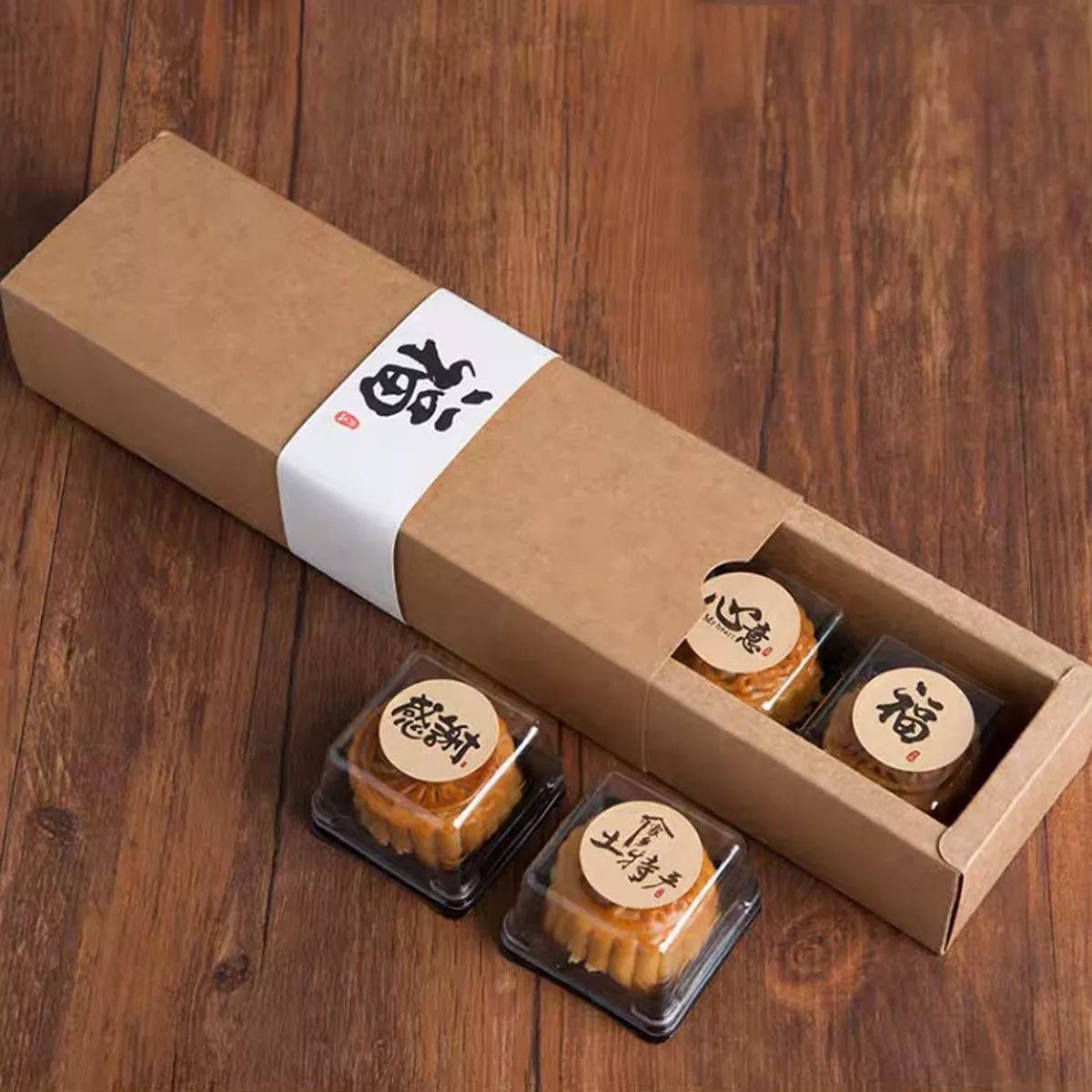
In the competitive food industry, packaging plays an important role in attracting customers, protecting products, and building a recognizable brand. Consumers often notice packaging before they experience the food itself. An attractive and professionally designed package can create a positive first impression, communicate product quality, and encourage customers to choose one brand over another. This is why businesses are increasingly investing in Custom food packaging boxes to improve product presentation and strengthen their market presence.
Whether a company sells bakery products, fast food, takeaway meals, chocolates, snacks, or specialty food items, customized packaging offers opportunities to create a memorable customer experience. Beyond simply holding food, packaging serves as a marketing tool that communicates a brand’s identity and values.
Creating a Strong First Impression Through Packaging
First impressions can significantly influence purchasing decisions. When customers see an attractive food package, they may immediately associate its appearance with the quality of the product inside. Well-designed packaging helps businesses present their products professionally and capture attention in crowded retail environments.
Custom food packaging boxes allow businesses to choose designs, colors, shapes, and finishes that reflect their products. A bakery, for example, may use elegant packaging with soft colors and attractive graphics to highlight the freshness and quality of its pastries. A fast-food restaurant might prefer bold colors and modern designs that communicate convenience and energy.
These visual elements help products stand out while creating a consistent presentation across different product categories. When packaging looks appealing and professional, customers are more likely to remember the brand and develop confidence in its offerings.
Strengthening Brand Identity and Recognition
Brand recognition is essential for long-term business growth. Customers should be able to identify a product quickly through its logo, colors, typography, and overall presentation. Consistent packaging makes this easier by creating a familiar visual identity.
Businesses can incorporate their logos, slogans, brand colors, and unique design elements into custom packaging. Repeating these features across different products helps establish a recognizable appearance. Over time, customers may associate particular packaging styles with a specific business.
Custom food packaging boxes also provide an opportunity to communicate brand personality. A premium food company may choose minimalist designs with sophisticated finishes, while an environmentally conscious business may prefer natural colors and recyclable materials.
Consistency is particularly important for businesses operating through multiple locations or selling products through different distribution channels. Using similar packaging designs helps maintain a unified brand image wherever customers encounter the products.
Improving Product Presentation and Visual Appeal
Food presentation influences how customers perceive freshness, quality, and value. Packaging should complement the product rather than distract from it. Carefully selected materials and creative designs can make food look more appealing while maintaining a professional appearance.
For example, window packaging allows customers to see bakery items, chocolates, cookies, and other products without opening the box. This creates transparency and gives buyers a better understanding of what they are purchasing.
Businesses can also use custom inserts, compartments, and dividers to arrange food items neatly. These features are particularly useful for gift boxes, dessert collections, meal combinations, and assorted snacks.
The right packaging design can transform ordinary products into attractive retail offerings. It also helps businesses present their products consistently, making them more appealing in photographs, storefront displays, and online marketplaces.
Protecting Food Quality During Storage and Transportation
Although appearance is important, packaging must also provide reliable product protection. Food products can be affected by moisture, temperature changes, contamination, and physical damage during handling and transportation.
High-quality custom packaging can help reduce these risks when the materials and construction are selected according to the product’s requirements. Strong boxes protect delicate baked goods, while suitable food-grade materials help maintain hygiene and product safety.
Different food categories require different packaging solutions. For example, takeaway meals may need sturdy boxes that resist leakage and support convenient transportation. Bakery products require packaging that prevents crushing while preserving their presentation.
Businesses should select materials that are appropriate for direct or indirect food contact and comply with applicable food safety regulations. Proper packaging design helps maintain product quality from preparation to delivery, contributing to a better customer experience.
Communicating Product Information Clearly
Packaging is also an effective way to share important information with customers. Clear labels help buyers understand what a product contains, how it should be stored, and whether it meets their dietary preferences.
Depending on applicable regulations, food packaging may include:
- Product names and descriptions
- Ingredient information
- Allergen warnings
- Nutritional details
- Manufacturing and expiration dates
- Storage instructions
- Business contact information
- Barcode and product identification details
Custom food packaging boxes provide sufficient space to organize this information in a readable and attractive format. Businesses can combine informative content with visual branding to create packaging that is both practical and appealing.
Clear communication builds customer trust because buyers can make informed purchasing decisions. It also demonstrates that a business values transparency and responsible product presentation.
Supporting Marketing and Customer Engagement
Packaging can function as a silent marketing representative for a food business. Every package delivered to a customer creates another opportunity to increase brand visibility.
When customers carry branded food boxes, share product photographs, or recommend their purchases to friends, the packaging may introduce the business to new audiences. Attractive designs can encourage customers to share their experiences on social media, creating additional exposure without requiring a separate advertising campaign.
Businesses can also include QR codes, promotional messages, discount offers, and social media information on their packaging. These features encourage customers to interact with the brand beyond the initial purchase.
For example, a restaurant might print a QR code that directs customers to its online menu or ordering platform. A bakery could include a message encouraging buyers to follow its social media pages for new product announcements.
These small details can strengthen customer relationships and encourage repeat purchases.
Choosing the Right Materials and Packaging Styles
Material selection is an important part of creating effective food packaging. Businesses should consider product weight, moisture content, temperature requirements, transportation conditions, and intended storage duration.
Common packaging options include cardboard, corrugated paperboard, kraft paper, and specialized food-grade materials. Each option offers different characteristics in terms of durability, appearance, and environmental impact.
Kraft packaging is popular among businesses that prefer a natural appearance. Cardboard boxes provide flexibility for printing and branding, while corrugated materials offer additional protection for heavier or delicate products.
The packaging style should also match the product. Burger boxes, pizza boxes, bakery cartons, dessert containers, and confectionery gift boxes all serve different purposes.
Selecting the right combination of material and design helps businesses balance product protection, presentation, and customer convenience.
Encouraging Sustainable Packaging Practices
Environmental responsibility is becoming increasingly important to consumers. Many buyers prefer businesses that demonstrate awareness of packaging waste and make thoughtful material choices.
Food companies can explore recyclable, reusable, and responsibly sourced packaging materials where suitable. Reducing unnecessary packaging components and choosing appropriately sized boxes can also help minimize material waste.
Custom food packaging boxes can be designed to support sustainability goals without sacrificing appearance or functionality. For example, simple kraft designs can communicate a natural brand identity while using recyclable paper-based materials.
However, businesses should ensure that packaging materials are genuinely suitable for their intended recycling or disposal systems. Food contamination, coatings, and local recycling facilities can affect whether a package is recyclable.
Responsible packaging decisions can strengthen brand reputation and appeal to environmentally conscious customers.
Creating a Better Customer Experience
Customer experience extends beyond the food itself. Packaging influences how easily customers can carry, open, store, and enjoy their purchases.
Convenient packaging features such as secure closures, comfortable handles, easy-open designs, and suitable compartments can make products more practical. For takeaway businesses, packaging should prevent spills and maintain food presentation during delivery.
Gift packaging offers another opportunity to improve customer satisfaction. Attractive boxes can make chocolates, cookies, cakes, and specialty food products feel more valuable and suitable for celebrations.
When customers receive products in clean, attractive, and functional packaging, they are more likely to develop a positive impression of the business.
Conclusion
Packaging is much more than a protective covering for food products. It influences purchasing decisions, communicates brand identity, supports marketing activities, and improves the overall customer experience. Investing in Custom food packaging boxes allows businesses to create distinctive product presentations while maintaining practical protection and convenience.
From attractive graphics and recognizable branding to suitable materials and informative labels, every packaging element contributes to how customers perceive a product. Businesses that prioritize thoughtful packaging design can differentiate themselves in competitive markets, build stronger customer relationships, and encourage repeat purchases. By combining creativity, functionality, and sustainability, food brands can turn everyday packaging into a valuable tool for lasting brand recognition and business growth.