
Introduction
The plastics industry continuously seeks innovative solutions to improve product quality, manufacturing efficiency, and material performance. Polypropylene (PP) is one of the most widely used thermoplastics because of its lightweight structure, chemical resistance, affordability, and versatility. However, manufacturers often need additional technologies to enhance its processing characteristics, surface properties, and durability. This is where Pp Silicone Masterbatch plays an important role.
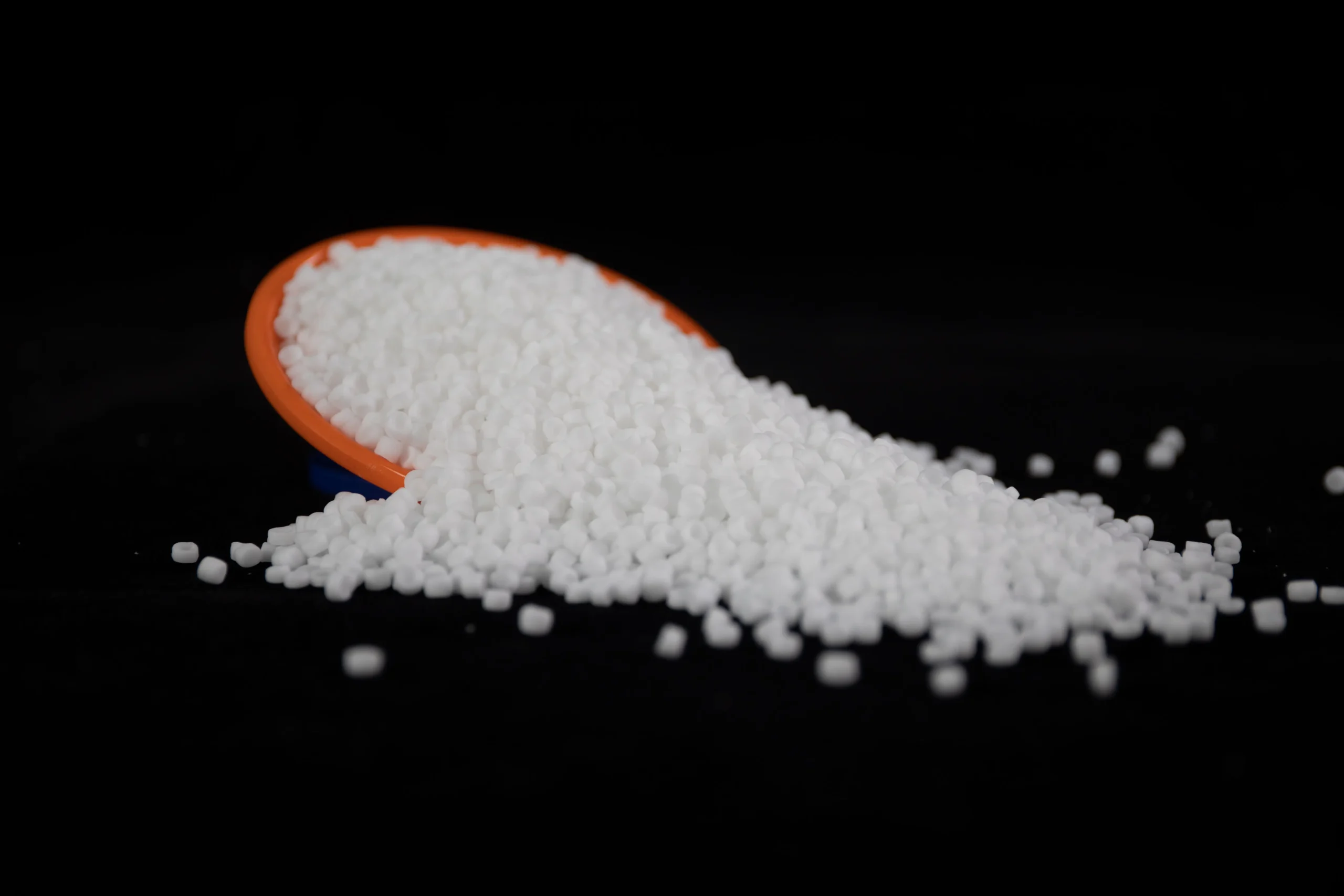
Pp Silicone Masterbatch is an advanced additive technology designed to improve the performance of polypropylene-based materials. By incorporating silicone-based components into a polypropylene-compatible carrier, manufacturers can achieve better surface quality, reduced friction, improved processing efficiency, and enhanced functional properties. Its versatility makes it valuable across packaging, automotive components, household products, electrical applications, and various industrial plastic products.
Understanding Pp Silicone Masterbatch
Pp Silicone Masterbatch is a concentrated additive formulation that contains silicone-based ingredients dispersed within a suitable polymer carrier. It is typically introduced into polypropylene during the manufacturing process through extrusion, injection molding, or other plastic processing techniques.
The primary purpose of this additive is to modify the characteristics of polypropylene without requiring major changes to the existing production system. Depending on its formulation and dosage, it can improve surface smoothness, reduce friction, support mold release, and enhance processing performance.
Unlike conventional additives that focus on a single property, silicone-based masterbatch technology can provide several functional benefits. This makes it an effective solution for manufacturers seeking consistent quality and improved production results.
How Silicone Masterbatch Technology Works
Silicone-based additives work by influencing the surface and processing behavior of polypropylene materials. When properly incorporated into the polymer, silicone components can help reduce friction between plastic surfaces and processing equipment.
This effect can improve material flow and reduce resistance during manufacturing. In finished products, the additive may contribute to a smoother surface and better slip characteristics.
The effectiveness of Pp Silicone Masterbatch depends on several factors, including silicone concentration, carrier compatibility, processing temperature, polymer formulation, and the required end-use properties.
Manufacturers should select a formulation that matches their production requirements rather than assuming that every silicone masterbatch provides identical results.
Key Benefits of Pp Silicone Masterbatch
Improved Surface Smoothness
Surface quality is an important consideration in many polypropylene applications. Products with rough surfaces may experience greater friction, reduced visual appeal, or difficulties during handling.
Pp Silicone Masterbatch can help create smoother surface characteristics by modifying friction and surface behavior. This is particularly useful for plastic components that require an attractive finish or frequent contact with other surfaces.
Reduced Friction and Better Slip Properties
One of the most valuable advantages of silicone-based additives is their ability to reduce friction. Lower friction can improve the movement of plastic components against one another and support smoother handling.
In packaging applications, improved slip properties may help films and other plastic materials move more efficiently through automated production and packaging equipment.
Enhanced Processing Efficiency
Manufacturers constantly look for ways to improve production speed and reduce unnecessary processing difficulties. Silicone masterbatch can support smoother material processing by reducing friction within certain processing environments.
Depending on the formulation, it may also help improve material flow, reduce sticking, and support more consistent production conditions.
Better Mold Release
Mold release is another important consideration in polypropylene manufacturing. Products that stick to molds can increase production time and create surface defects.
A suitable Pp Silicone Masterbatch formulation may improve demolding behavior, helping manufacturers achieve more efficient molding operations. The actual benefit depends on mold design, processing conditions, and additive concentration.
Consistent Product Quality
Consistency is essential in large-scale plastic manufacturing. Variations in surface quality, friction, and processing behavior can affect product appearance and functionality.
Using an appropriately selected silicone masterbatch can help manufacturers maintain more predictable material performance across production batches.
Applications Across Different Industries
Packaging Industry
The packaging sector is a major consumer of polypropylene materials. Films, containers, caps, closures, and flexible packaging components often require reliable processing and suitable surface characteristics.
Pp Silicone Masterbatch can improve slip properties and support smoother handling during packaging operations. These characteristics can be particularly valuable in high-speed production environments where material movement and packaging efficiency are important.
Automotive Manufacturing
Automotive manufacturers use polypropylene in interior trims, protective components, dashboards, storage compartments, and other lightweight parts.
Silicone masterbatch technology can support improved surface characteristics and reduced friction in selected automotive applications. These improvements can contribute to functional performance and product finishing requirements.
Household Products
Plastic furniture components, storage containers, kitchen accessories, appliance housings, and consumer goods frequently use polypropylene.
Manufacturers can consider silicone masterbatch to improve surface smoothness, handling, and processing characteristics. The resulting products may offer better usability and a more refined appearance.
Electrical and Electronic Components
Polypropylene is also used in various electrical and electronic applications because of its useful insulating properties and chemical resistance.
Depending on the application, silicone-based additives may help improve surface characteristics and manufacturing performance. However, electrical, thermal, and regulatory requirements must always be evaluated before selecting an additive formulation.
Industrial Plastic Products
Industrial applications often demand durable, reliable, and consistently manufactured plastic components. Pp Silicone Masterbatch can support production processes that require controlled friction, smooth surfaces, and dependable processing behavior.
Factors to Consider When Selecting the Right Masterbatch
Choosing the correct silicone masterbatch requires careful consideration of the intended application and processing conditions.
Polypropylene Compatibility: The carrier resin should be compatible with the polypropylene grade being used. Good compatibility helps ensure uniform dispersion and consistent performance.
Silicone Concentration: Different products contain different levels of silicone components. The appropriate concentration depends on the desired surface properties and manufacturing requirements.
Processing Temperature: Polypropylene manufacturing involves specific temperature conditions. The selected masterbatch should maintain stability throughout the processing cycle.
Dosage Requirements: Manufacturers should follow supplier recommendations and conduct trials to identify an effective addition rate. Excessive dosage may affect appearance, adhesion, printing, or other material properties.
End-Product Requirements: Packaging films, automotive components, and household products have different performance expectations. Testing should reflect the final product’s intended use.
Improving Manufacturing Efficiency Through Innovation
Modern plastic manufacturing is increasingly focused on reducing production waste, improving equipment efficiency, and achieving consistent product quality. Advanced additives such as Pp Silicone Masterbatch contribute to these objectives by helping manufacturers optimize material behavior.
Better slip properties may reduce handling difficulties, while improved mold release can support smoother production cycles. Reduced friction may also help minimize certain processing challenges.
However, the overall results depend on the complete formulation, equipment configuration, and operating conditions. Manufacturers should evaluate the additive through controlled production trials to determine its practical benefits.
Quality Control and Testing
Quality control is essential when introducing any new additive into a polypropylene formulation. Manufacturers should evaluate the material before and after incorporating Pp Silicone Masterbatch.
Important testing areas may include coefficient of friction, surface appearance, melt flow behavior, mechanical strength, thermal stability, and product consistency.
For specialized applications, additional tests may be necessary to evaluate printing performance, coating adhesion, chemical resistance, and long-term durability.
Working with a reliable masterbatch supplier can help manufacturers identify suitable formulations, understand recommended processing conditions, and maintain consistent production standards.
Future Opportunities for Silicone Masterbatch Technology
The demand for high-performance polypropylene products continues to encourage innovation in polymer additives. Manufacturers increasingly seek solutions that combine processing efficiency, improved product functionality, and responsible material use.
Future developments in silicone masterbatch technology may focus on improved compatibility, optimized additive concentrations, advanced surface modification, and formulations designed for specialized applications.
As manufacturing technologies evolve, Pp Silicone Masterbatch is expected to remain a valuable option for companies looking to improve polypropylene performance and develop products that meet changing market expectations.
Conclusion
Pp Silicone Masterbatch represents an innovative additive technology that helps manufacturers enhance the processing and functional characteristics of polypropylene. Its potential benefits include improved surface smoothness, reduced friction, better slip properties, enhanced mold release, and more efficient manufacturing operations.
From packaging and automotive components to household products and industrial applications, silicone-based masterbatch solutions offer opportunities to improve product quality and production consistency.
Selecting the right formulation, maintaining appropriate dosage levels, and conducting proper performance testing are essential for achieving the desired results. As the plastics industry continues to prioritize efficiency and material innovation, Pp Silicone Masterbatch will remain an important technology for manufacturers seeking high-performance polypropylene solutions.