
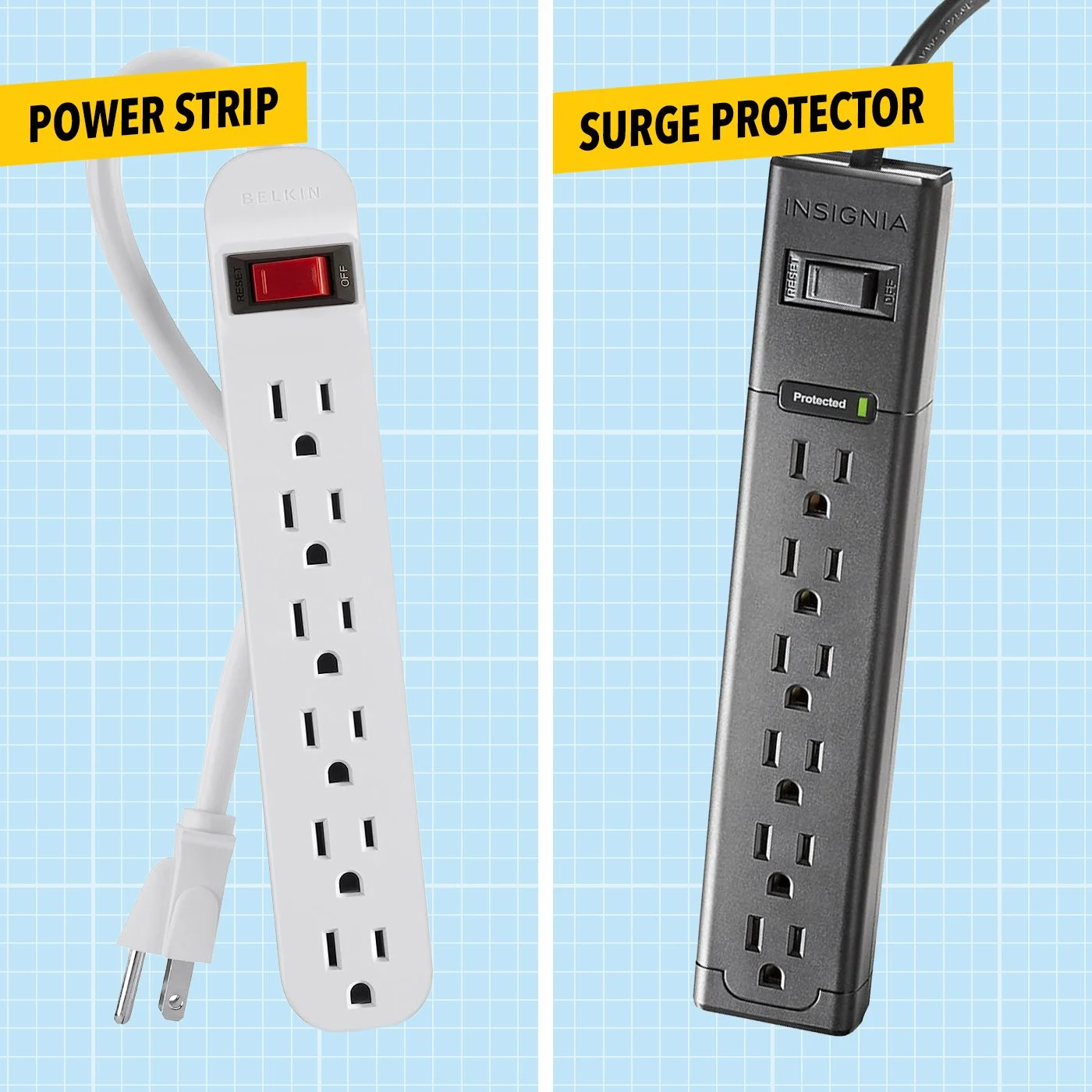
Modern homes and workplaces depend on electricity for almost everything, from charging smartphones and powering computers to running televisions, kitchen appliances, and entertainment systems. While electrical power makes daily life more convenient, unexpected voltage changes can damage equipment and create avoidable safety concerns. A Surge Protector power strip provides a practical way to add an additional layer of protection to everyday electrical devices.
Unlike a basic power strip, which primarily provides multiple outlets from one wall socket, a Surge Protector is designed to help protect connected electronics from sudden increases in voltage. Understanding how these devices work, where they are useful, and how to select the right one can help households and businesses manage electrical equipment more responsibly.
Understanding the Purpose of a Surge Protector
A Surge Protector is an electrical device designed to limit excessive voltage reaching connected equipment. Electrical systems normally operate within a specific voltage range, but sudden increases can occur for various reasons. Lightning activity, utility switching, power-grid disturbances, and changes in electrical loads can contribute to transient voltage events.
Sensitive electronics may be particularly vulnerable because they contain delicate internal components. Computers, televisions, gaming systems, networking equipment, monitors, and other electronic devices can potentially be affected by voltage spikes.
A Surge Protector power strip provides several outlets while incorporating protective components intended to divert or suppress excess electrical energy. This combination makes it convenient for areas where several electronic devices need to be connected while receiving an additional level of protection.
How Surge Protector Power Strips Work
Many Surge Protector power strips use components such as metal oxide varistors, commonly called MOVs, to respond when voltage rises beyond an expected level. Under normal conditions, the protective component allows electricity to pass through to connected equipment. When a transient voltage spike occurs, it can redirect excess energy away from sensitive electronics.
The protection process happens extremely quickly. The objective is to prevent an excessive voltage from reaching connected equipment at damaging levels.
However, it is important to understand that a Surge Protector is not a guarantee against every electrical problem. Severe electrical events can exceed the protective capacity of a device. For this reason, a Surge Protector should be considered one part of a broader electrical safety approach rather than a complete substitute for proper wiring, grounding, circuit protection, and professional electrical maintenance.
Protecting Everyday Electronics
One of the biggest advantages of a Surge Protector power strip is its ability to support the protection of everyday electronics. Many homes contain several devices in the same area. A home office, for example, might have a desktop computer, monitor, printer, router, speakers, and charging equipment located close together.
Connecting these devices through an appropriate Surge Protector can help reduce the potential impact of certain transient voltage events. Entertainment centers can also benefit because televisions, streaming devices, game consoles, sound systems, and other electronics are often grouped together.
The same principle applies to workplaces. Desks and workstations frequently contain computers, monitors, chargers, and networking equipment. Using suitable protective equipment can help businesses reduce unnecessary exposure to electrical disturbances.
Reducing Electrical Risks in Workspaces
Electrical safety is not only about protecting expensive electronics. It also involves responsible management of cords, outlets, and connected equipment.
A Surge Protector power strip can help organize multiple connections in a designated area. Instead of using several basic extension cords or overcrowding a wall outlet with adapters, a properly rated power strip can provide a more organized solution.
Nevertheless, users should always pay attention to the power rating of the device. Plugging too many high-power appliances into one power strip can create excessive electrical loads. High-wattage appliances such as heaters, large kitchen appliances, and certain power tools may require dedicated outlets or circuits rather than a standard Surge Protector power strip.
Important Features to Consider
Not every Surge Protector power strip offers the same level of protection or convenience. Consumers should examine the specifications before purchasing one.
A useful feature is a clearly stated joule rating. Joules indicate the amount of energy the protective components are designed to absorb or divert over their operating life. A higher rating can generally indicate greater energy-handling capacity, although it should not be the only factor considered.
An indicator light can also be helpful. Some Surge Protector power strips include a protection-status indicator that shows whether the protective circuitry is functioning. If the protection component has reached the end of its useful life, the indicator may change or turn off, depending on the design.
Other useful features may include spaced outlets, USB charging ports, overload protection, a resettable circuit breaker, and a sufficiently long power cord. The best choice depends on the devices being connected and the environment where the power strip will be used.
Surge Protectors and Lightning Events
Lightning is one of the most commonly discussed causes of electrical surges. A direct lightning strike can generate an enormous amount of electrical energy, and even nearby lightning activity can produce electrical disturbances.
A Surge Protector can provide some protection against certain transient events, but users should not assume that a power strip can safely handle a direct lightning strike. During severe thunderstorms, additional precautions may be appropriate for particularly valuable electronics.
Whole-home surge protection systems can also provide another level of defense when properly installed by qualified professionals. These systems work at the electrical service level rather than protecting only individual devices.
Safe Usage Practices Matter
Even the best Surge Protector cannot compensate for unsafe usage. Users should inspect power strips regularly for signs of damage, such as melted plastic, discoloration, exposed wiring, loose connections, or unusual odors.
A damaged power strip should not continue to be used. It should be replaced rather than repaired with makeshift solutions.
Users should also avoid connecting one power strip into another. This practice, sometimes called daisy-chaining, can increase the risk of overloading circuits and creating unsafe conditions.
Keeping power strips away from water, excessive heat, and areas where they can be physically damaged is another important precaution. Cords should also be positioned so that they do not create tripping hazards.
Choosing the Right Surge Protector for Your Needs
Selecting the right Surge Protector begins with identifying the equipment that needs protection. A small setup containing a router and a few chargers may require a different solution from a home entertainment center or professional workstation.
For sensitive electronics, consumers should look for reputable products with clearly stated electrical specifications and appropriate safety certifications for their region. It is also important to check the maximum load rating and ensure that the connected equipment stays within the manufacturer’s recommended limits.
A quality product may cost more than a basic power strip, but the additional features and protection can make it a more sensible choice for valuable electronics.
The Role of Surge Protection in Everyday Safety
Electrical safety involves several layers of protection. Proper building wiring, grounded outlets, circuit breakers, safe appliance use, and regular inspections all play important roles. A Surge Protector power strip can complement these measures by providing localized protection for connected electronics.
Its value is especially apparent in modern homes where numerous electronic devices operate simultaneously. Computers, televisions, routers, smart-home equipment, chargers, and entertainment systems can all be sensitive to electrical disturbances.
Using appropriate protective equipment helps users take a proactive approach to managing these devices.
Conclusion
Surge Protector power strips offer a convenient way to provide additional protection for everyday electronic equipment. By helping limit the effects of certain transient voltage increases, they can reduce potential risks to computers, televisions, networking devices, gaming systems, and other sensitive electronics.
However, effective electrical safety requires more than simply purchasing a power strip. Users should select products with appropriate ratings, avoid overloading them, inspect them for damage, and follow safe electrical practices. For homes and workplaces with valuable electronic equipment, combining a suitable Surge Protector with proper wiring, grounding, and professional electrical protection can create a more responsible and reliable electrical environment.