
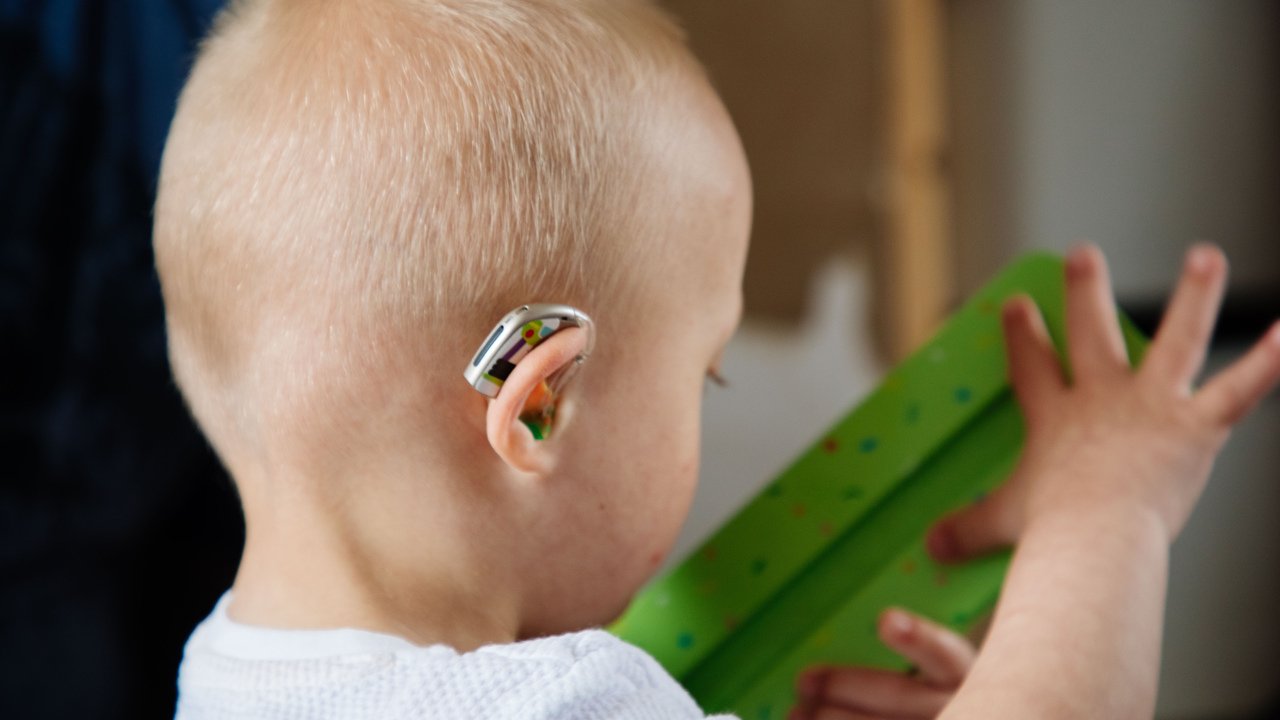
Hearing loss in children can be challenging for both the child and their family. For many children, hearing aids are the first line of intervention, helping them develop language, communicate effectively, and engage with the world around them. However, sometimes hearing aids don’t work for a child as expected, and parents may feel frustrated or concerned. Understanding why this happens and exploring alternative strategies can make a significant difference in your child’s development and quality of life hearing aids don’t work for child.
Understanding Why Hearing Aids May Not Be Effective
There are several reasons why hearing aids might not provide the expected results for a child. First, the type and degree of hearing loss can affect how well the device works. Some children have profound or complex hearing loss, which makes amplification through hearing aids less effective. Additionally, the fit and programming of the hearing aids are critical. If the device is not properly fitted or adjusted, it may fail to provide the necessary amplification or clarity.
Another factor is how the child adapts to the hearing aids. Some children may find the device uncomfortable or distracting, leading to inconsistent use. If a child does not wear their hearing aids regularly, they may not experience the benefits, which can delay speech and language development. Finally, underlying medical conditions, such as chronic ear infections or auditory neuropathy, can interfere with the effectiveness of hearing aids, making them less reliable as a solution.
Signs That Hearing Aids Aren’t Working for Your Child
It’s essential for parents to recognize when hearing aids aren’t working for a child. Some common signs include:
- Limited improvement in speech or language skills despite consistent use
- Difficulty understanding speech in noisy environments
- Frequent removal of hearing aids by the child due to discomfort
- Persistent frustration or fatigue during listening tasks
- Lack of progress in educational or social settings
If these signs are present, it’s important not to ignore them. Early intervention is key, and exploring alternatives promptly can help your child reach their developmental potential.
Steps to Take When Hearing Aids Don’t Work for a Child
When hearing aids don’t work for a child, there are several practical steps parents can take:
Consult an Audiologist
A certified pediatric audiologist can assess the child’s hearing, review the hearing aid settings, and determine if adjustments are needed. Sometimes, minor modifications in programming or switching to a different style of hearing aid can improve performance. Audiologists can also recommend specialized devices for children with unique hearing needs, such as bone-anchored hearing systems.
Explore Cochlear Implants
For children with severe to profound hearing loss who do not benefit from traditional hearing aids, cochlear implants may be an option. Unlike hearing aids, cochlear implants bypass damaged parts of the ear and directly stimulate the auditory nerve. Early implantation often leads to better language development, especially when combined with speech therapy and auditory training.
Consider Assistive Listening Devices
Assistive listening devices (ALDs) can supplement hearing aids and provide better access to sound in challenging environments. These devices include FM systems or classroom amplification systems, which reduce background noise and enhance speech clarity. ALDs are particularly useful for school-aged children, helping them participate more effectively in lessons and social activities.
Focus on Early Intervention and Therapy
Regardless of the hearing technology used, early intervention remains crucial. Speech-language therapy, auditory-verbal therapy, and other specialized programs can help children maximize their listening and communication skills. Therapists can teach strategies to improve speech perception, language comprehension, and social interaction, even when hearing aids don’t work for a child as expected.
Support Communication Through Visual and Multisensory Approaches
For children who struggle with hearing aids, integrating visual or multisensory learning methods can be highly beneficial. Sign language, cued speech, and visual communication aids can provide alternative ways to develop language and express ideas. These methods do not replace spoken language but complement other therapies and assistive devices, ensuring the child can communicate effectively.
Emotional Support for Families
Finding out that hearing aids don’t work for a child can be emotionally challenging. Parents may experience guilt, frustration, or uncertainty about their child’s future. It’s important to seek support from healthcare professionals, support groups, and other families facing similar challenges. Connecting with experienced counselors or organizations specializing in childhood hearing loss can provide guidance, encouragement, and practical resources.
Advocating for Your Child’s Education
Children with hearing difficulties may face obstacles in school if their needs are not properly addressed. Parents should work closely with teachers, audiologists, and educational specialists to ensure appropriate accommodations are in place. This may include preferential seating, access to ALDs, or modified teaching strategies. Advocating for your child helps create an inclusive learning environment where they can thrive despite hearing challenges.
Monitoring Progress and Adjusting Plans
Children’s hearing and communication skills can change over time, so ongoing monitoring is essential. Regular audiology appointments, therapy sessions, and progress evaluations help identify what works and what doesn’t. Being proactive and flexible allows parents and professionals to adjust interventions promptly, ensuring the child receives the most effective support possible.
Conclusion
Hearing aids are an important tool for many children with hearing loss, but they don’t always provide the results needed for every child. Recognizing the signs, consulting experts, exploring alternative devices, and incorporating therapy and visual communication strategies can help children overcome these challenges. With timely intervention, patience, and support, children who face difficulties with hearing aids can still develop strong communication skills, succeed academically, and enjoy meaningful social interactions. Understanding that there is no single solution and that multiple approaches can be combined will empower families to make informed decisions for their child’s unique needs.