
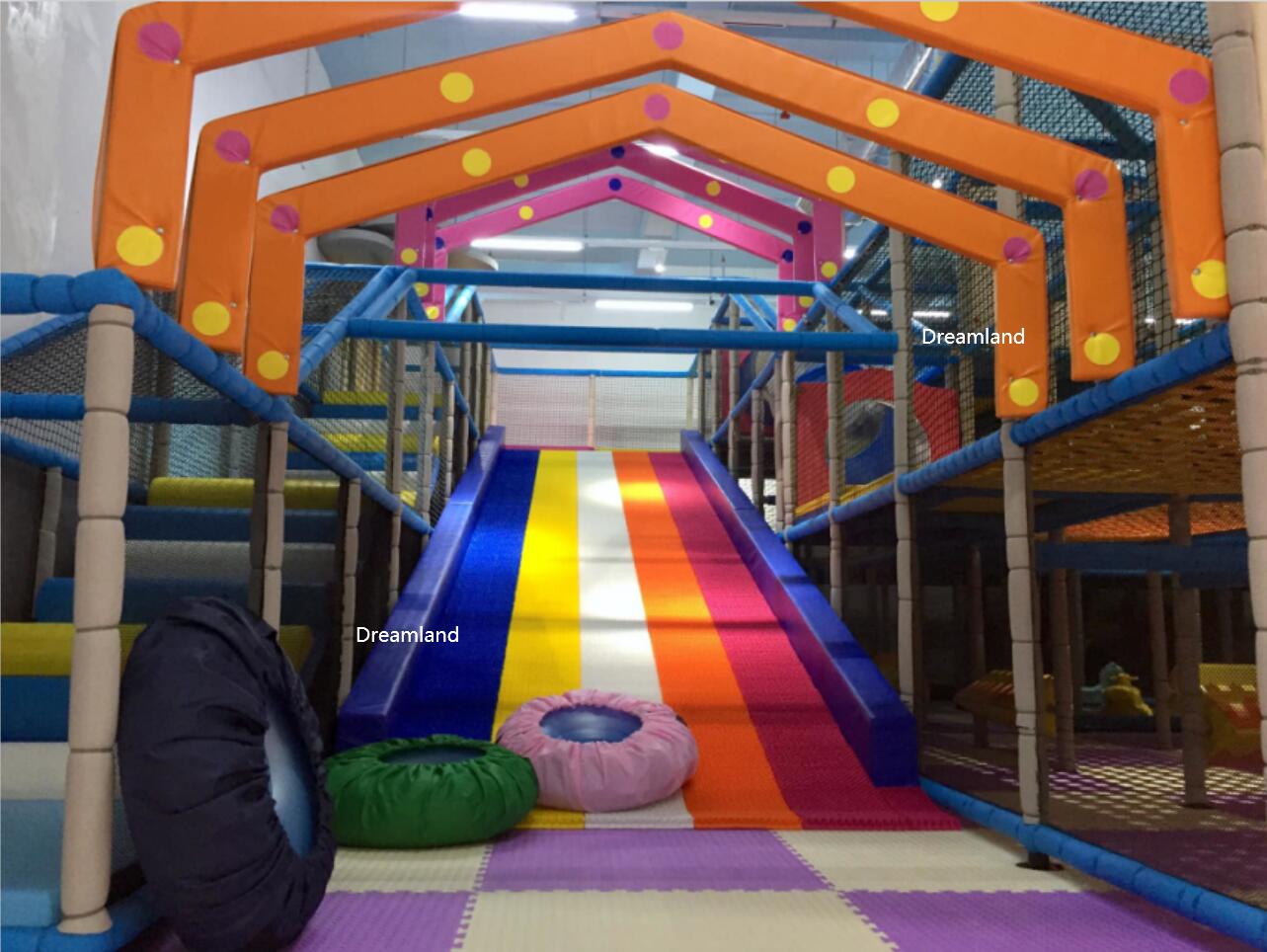
Indoor play spaces have become an essential part of modern family entertainment centers, shopping malls, schools, and childcare facilities. Parents increasingly seek safe, weather-independent environments where children can stay active, socialize, and develop essential skills. Choosing the right indoor playground equipment is the foundation of creating memorable and engaging play experiences that keep families coming back. The right mix of equipment encourages physical activity, imagination, and cooperative play while supporting business growth and customer satisfaction.
Why Choosing the Right Indoor Playground Equipment Matters
High-quality indoor playground equipment directly affects safety, enjoyment, and long-term profitability. Well-designed equipment supports different age groups, promotes healthy movement, and aligns with safety standards. It also allows operators to maximize space and create zones that cater to toddlers, young children, and older kids. A thoughtful selection helps reduce maintenance costs, increases play value, and enhances the overall reputation of the indoor playground.
1. Soft Play Structures
Soft play structures are a staple in almost every indoor playground. They are designed with padded surfaces, foam shapes, tunnels, and gentle obstacles that allow children to explore freely in a safe environment. These structures are ideal for younger children who are still developing balance and coordination.
Benefits of Soft Play Structures
Soft play equipment reduces the risk of injury while encouraging crawling, climbing, and imaginative play. Bright colors and themed designs help stimulate creativity and sensory development, making them a core component of effective indoor playground equipment setups.
2. Indoor Climbing Frames
Indoor climbing frames challenge children physically while building confidence and strength. These frames come in various designs, including rope nets, climbing walls, and modular towers that can be customized to fit available space.
Physical and Mental Development
Climbing equipment enhances muscle development, problem-solving skills, and hand-eye coordination. When included as part of indoor playground equipment, climbing frames appeal to older children who seek adventure and achievement.
3. Ball Pits and Interactive Ball Areas
Ball pits remain one of the most popular attractions in any indoor playground. Filled with colorful balls and often combined with slides or air blasters, they offer sensory stimulation and endless fun.
Engagement Through Sensory Play
Ball pits encourage social interaction and cooperative play. Children enjoy throwing, sorting, and diving into the balls, making this option a timeless piece of indoor playground equipment that appeals to a wide age range.
4. Slides of Various Sizes and Shapes
Slides are essential for creating excitement and flow within an indoor playground. Options range from gentle toddler slides to spiral and wave slides designed for older children.
Variety for Different Age Groups
Including multiple slide styles ensures inclusivity and keeps play experiences dynamic. Slides help children develop balance and spatial awareness while delivering instant enjoyment, making them a must-have indoor playground equipment option.
5. Trampoline Zones
Indoor trampoline areas have grown rapidly in popularity due to their high energy appeal. Even small trampoline sections within a playground can significantly increase engagement and repeat visits.
Encouraging Active Play
Trampolines promote cardiovascular health, coordination, and strength. When integrated safely into indoor playground equipment layouts, they provide a controlled environment for energetic play without compromising safety.
6. Obstacle Courses and Ninja Challenges
Obstacle courses introduce structured challenges that motivate children to test their abilities. These setups may include balance beams, hanging rings, crawling tunnels, and jumping platforms.
Building Confidence and Resilience
Obstacle-based indoor playground equipment encourages perseverance, agility, and teamwork. Children enjoy racing friends or setting personal goals, which adds replay value and excitement to the playground.
7. Interactive Digital Play Equipment
Modern indoor playgrounds increasingly combine physical activity with digital interaction. Motion-sensor games, interactive floors, and projection-based walls transform movement into engaging challenges.
Blending Technology with Movement
Interactive digital equipment appeals to tech-savvy children while still encouraging physical activity. This type of indoor playground equipment helps differentiate a facility and keeps experiences fresh and innovative.
8. Toddler-Specific Play Zones
Dedicated toddler zones are essential for safety and age-appropriate play. These areas usually feature low-height equipment, gentle slides, soft blocks, and simple interactive panels.
Safe Exploration for Younger Children
Toddler-focused indoor playground equipment supports early development while giving parents peace of mind. Separating these zones from older children’s areas reduces risk and improves the overall experience for families.
9. Role-Play and Imaginative Play Equipment
Imaginative play areas such as mini supermarkets, play kitchens, fire stations, and construction zones allow children to explore real-world roles in a playful setting.
Encouraging Creativity and Social Skills
Role-play equipment supports communication, storytelling, and cooperative play. Including these elements within indoor playground equipment designs adds educational value and broadens the appeal beyond purely physical activities.
10. Multi-Level Play Structures
Multi-level play systems combine slides, tunnels, bridges, and climbing elements into one integrated structure. These large installations maximize vertical space and provide varied play opportunities in a compact footprint.
Maximizing Space and Engagement
Multi-level indoor playground equipment keeps children engaged for longer periods by offering exploration and discovery. These structures are particularly effective in commercial environments where space optimization and high play value are priorities.
Key Considerations When Selecting Indoor Playground Equipment
Choosing the right equipment goes beyond popularity. Safety certifications, durability, ease of maintenance, and compliance with local regulations should always be top priorities. Materials should be non-toxic, fire-resistant, and easy to clean. Layout planning is equally important to ensure smooth traffic flow, clear sightlines for supervision, and accessible emergency exits.
Creating a Balanced and Profitable Play Environment
The most successful indoor playgrounds offer a balanced mix of physical, sensory, and imaginative experiences. By combining classic favorites like slides and ball pits with modern options such as interactive digital games and obstacle courses, operators can cater to diverse preferences and age groups. Thoughtfully selected indoor playground equipment not only enhances child development but also strengthens brand identity and customer loyalty.