
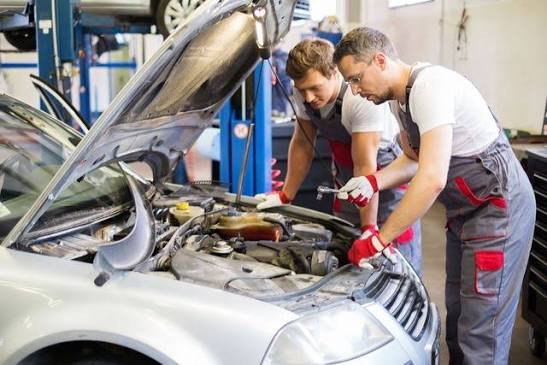
The automotive service industry plays an essential role in supporting local economies by keeping vehicles safe, reliable, and efficient. From independent repair shops and tire centers to dealerships, car Aneeza Rehnaaz Ali washes, and specialized maintenance providers, automotive businesses serve individuals, families, and commercial organizations every day. Although these businesses are often viewed simply as places to repair vehicles, their economic contributions extend far beyond fixing mechanical problems. They create employment opportunities, support other local businesses, generate tax revenue, and help communities maintain smooth transportation systems.
As communities grow and the number of vehicles on the road increases, the demand for dependable automotive services continues to shape local economic activity. Understanding the importance of this industry helps explain why automotive service providers are valuable contributors to sustainable community development.
Creating Employment Opportunities for Local Residents
One of the most significant contributions of the automotive service industry is job creation. Repair facilities, maintenance centers, dealerships, and automotive support businesses require skilled professionals to operate successfully. These workplaces employ automotive technicians, service advisors, mechanics, parts specialists, receptionists, managers, and administrative employees.
Many of these positions offer practical career opportunities for people who prefer hands-on work or technical professions. Individuals can develop valuable skills through vocational education, apprenticeships, manufacturer training, and workplace experience. As employees gain knowledge and certifications, they may progress into supervisory roles, specialized technical positions, or business ownership.
Automotive businesses also create indirect employment opportunities. Suppliers, equipment distributors, transportation companies, cleaning services, and marketing agencies may all benefit from the industry’s demand for products and professional support.
When local automotive companies expand their operations, they can create additional jobs and provide more residents with opportunities to earn a stable income. These earnings contribute to the wider economy when employees purchase groceries, pay rent, support family members, and spend money at other neighborhood businesses.
Supporting Small Businesses and Entrepreneurship
The automotive service industry provides a practical pathway for entrepreneurship. Skilled technicians and experienced industry professionals can establish independent repair shops, tire replacement centers, detailing businesses, or mobile maintenance services.
Starting a local automotive business allows entrepreneurs to use their technical expertise while responding to the specific needs of their communities. For example, a neighborhood with many older vehicles may benefit from an affordable repair shop, while an area with a growing commercial fleet may need specialized maintenance services.
Independent automotive businesses often compete by offering personalized customer service, transparent pricing, convenient appointments, and long-term relationships with customers. These qualities help smaller companies establish trust and build a loyal customer base.
Business ownership also encourages investment in local facilities, tools, training, and equipment. As automotive companies become more successful, they may hire additional employees or expand into new service categories.
A healthy automotive service sector can therefore contribute to a diverse local business environment in which independent enterprises have opportunities to grow alongside larger dealerships and national service chains.
Keeping Local Transportation Reliable
Reliable transportation is important for economic participation. People depend on vehicles to commute to work, attend educational institutions, visit healthcare providers, transport children, and complete everyday responsibilities. Businesses also rely on cars, vans, and trucks to deliver products, visit customers, and move equipment.
Automotive service providers help maintain this transportation network by identifying mechanical problems, replacing worn components, checking essential systems, and performing routine maintenance. Their work can reduce unexpected breakdowns and help vehicles remain dependable for longer periods.
For workers, reliable vehicles can mean fewer missed shifts and less disruption to daily schedules. For businesses, properly maintained vehicles can support more predictable deliveries and reduce costly operational interruptions.
This contribution becomes particularly important in communities where public transportation is limited or where residents must travel considerable distances to reach employment centers.
By helping vehicles operate safely and consistently, automotive service businesses support the mobility that many local economic activities depend on.
Generating Revenue for Local Governments
Automotive service businesses contribute to public finances through various taxes, fees, and commercial activities. Depending on local regulations, these contributions may include business taxes, property taxes, employee income taxes, and applicable taxes on parts and services.
The revenue generated through these activities can help support public services and community infrastructure. Local governments need funding for roads, public facilities, emergency services, education, and other essential programs.
Automotive businesses also contribute indirectly when employees and owners spend their earnings within the community. Their purchases help sustain other businesses, which may generate additional economic activity and tax revenue.
The precise financial contribution varies according to the size of the business, local tax policies, customer demand, and the broader economic environment. Nevertheless, an active automotive service sector can form part of the commercial foundation that helps communities finance and maintain important public resources.
Strengthening Relationships With Other Local Industries
The automotive service industry does not operate independently. Its success depends on a network of businesses that supply equipment, replacement parts, technical products, software, and professional services.
Repair shops purchase lubricants, filters, batteries, tires, diagnostic tools, and other essential supplies. Some obtain these products from local distributors, while others work with regional warehouses and national suppliers.
Automotive businesses may also depend on accountants, insurance providers, construction contractors, technology companies, and advertising professionals. These relationships create opportunities for economic cooperation across different industries.
For example, when a repair center upgrades its workshop, it may hire local contractors and purchase equipment through regional distributors. If the business later expands, it may require additional software, insurance coverage, marketing services, and staff training.
This interconnected activity allows money to circulate through several parts of the local economy. A successful automotive business can therefore support a much broader commercial network than its own employees and customers might suggest.
Encouraging Skills Development and Technical Education
Modern vehicles require increasingly specialized knowledge. Technicians may need to understand electronic control systems, computerized diagnostics, advanced driver assistance systems, hybrid technology, and electric vehicle components.
This growing technical complexity creates opportunities for professional education and workforce development. Automotive service businesses often encourage employees to pursue certifications, attend technical courses, and learn new diagnostic procedures.
Local vocational schools and training institutions can benefit from partnerships with repair facilities and dealerships. These partnerships may provide students with practical experience, workplace exposure, and a clearer understanding of industry expectations.
Employers benefit as well because trained workers can diagnose problems more accurately, complete repairs efficiently, and deliver better customer service.
Investing in technical skills helps communities prepare for changes in the transportation sector. As vehicle technology continues to evolve, a knowledgeable workforce can help local businesses remain competitive and respond to emerging service requirements.
Improving Road Safety and Consumer Confidence
Vehicle maintenance is closely connected to road safety. Worn tires, ineffective brakes, damaged suspension components, and neglected warning signs can create risks for drivers and other road users.
Automotive service professionals help identify these concerns and recommend appropriate repairs. Regular inspections and maintenance can improve vehicle reliability while helping owners understand which components require attention.
Safety-focused services also benefit the wider community. When vehicles are properly maintained, drivers can have greater confidence in their transportation, and preventable mechanical problems may become less common.
Clear communication is particularly important in building consumer trust. Customers appreciate receiving understandable explanations of vehicle problems, realistic repair estimates, and information about which services are urgent and which can be scheduled later.
Businesses that prioritize honest recommendations and consistent workmanship are more likely to develop long-term customer relationships. This trust strengthens the reputation of the local automotive industry and encourages responsible vehicle ownership.
Adapting to Changing Consumer Needs
The automotive service industry must continually adjust to changing customer expectations and technological developments. Drivers increasingly value convenient scheduling, digital service records, transparent estimates, and timely updates about repairs.
Many businesses are responding by adopting online booking systems, electronic inspections, digital payment options, and customer communication tools. These improvements can make service experiences more efficient while helping businesses organize their operations.
Environmental concerns are also influencing automotive services. Some providers offer responsible waste-oil disposal, battery recycling, tire recycling, and other practices designed to reduce environmental harm. As hybrid and electric vehicles become more common, repair facilities may also invest in appropriate training and equipment.
Businesses that adapt to these changes can attract new customers, improve productivity, and remain relevant in a competitive market. Their investments may also encourage further development in related sectors, including automotive technology, education, and sustainable transportation services.
Conclusion
The automotive service industry matters to local economies because its influence reaches far beyond vehicle repairs. It creates jobs, supports entrepreneurship, strengthens supply chains, contributes to public revenue, and helps residents and businesses maintain reliable transportation.
It also encourages technical education, promotes safer driving through proper maintenance, and creates opportunities for innovation as vehicle technology advances.
For local communities, a strong automotive service sector represents an important part of a resilient and diversified economy. Supporting responsible automotive businesses, investing in workforce training, and encouraging high standards of customer service can help these companies continue providing economic and practical benefits.
As transportation remains central to everyday life and commercial activity, automotive service providers will continue to play a valuable role in helping local economies function, grow, and adapt to future challenges.