
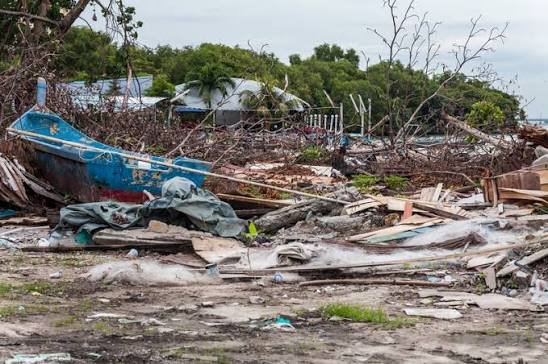
Experiencing a major property disaster—whether it is caused by a severe storm, a devastating fire, a catastrophic flood, or a plumbing failure—can turn a homeowner’s world upside down in an instant. Beyond the initial shock and emotional toll, the physical reality of property damage presents an overwhelming challenge. The path to normalcy can feel long and uncertain, requiring immense patience, strategic planning, and professional intervention. Effective disaster cleanup solutions play a critical role in this recovery journey, providing the structured approach, specialized equipment, and technical expertise needed to restore safety, structural integrity, and peace of mind to a damaged home.
Understanding the Scale of Major Property Damage
Major property damage is rarely limited to what meets the eye. When a disaster strikes, the visible destruction—such as shattered windows, charred walls, or standing water—is often just the tip of the iceberg. Beneath the surface, hidden issues can compromise the entire stability of the building. Water can seep deep into subflooring and drywall, fostering rapid mold growth. Smoke and soot can infiltrate ventilation systems, lingering long after the fire has been extinguished. Furthermore, compromised electrical systems and weakened structural elements pose immediate safety hazards to anyone re-entering the premises.
Recognizing the multifaceted nature of property damage is the first step toward a successful recovery. Homeowners must look beyond quick cosmetic fixes and understand that comprehensive disaster cleanup involves deep remediation, structural stabilization, and environmental safety protocols. Attempting to handle a large-scale cleanup without professional help can lead to prolonged damage, health risks, and significantly higher repair costs down the road.
Immediate Response and Emergency Stabilization
The hours and days immediately following a disaster are critical. Quick action can mean the difference between a manageable restoration project and a total loss of the property. Professional disaster cleanup teams understand that time is of the essence, which is why emergency response services are designed to mobilize rapidly.
Securing the Property Safely
Before any actual cleaning or restoration can begin, the property must be secured to prevent further damage from the elements or unauthorized entry. This phase of disaster cleanup often includes board-up services for shattered windows and broken doors, temporary roof tarping to stop rain from pouring into damaged living spaces, and fencing around unstable structures. Safety is the absolute top priority during this stage. Professionals conduct thorough structural assessments to ensure that floors, ceilings, and walls are stable enough to support recovery personnel before beginning detailed work.
Water Extraction and Drying
If the property has experienced flooding, a major plumbing rupture, or water intrusion from firefighting efforts, rapid water extraction is paramount. Standing water can warp hardwood floors, ruin carpets, and cause severe structural rot within hours. Modern disaster cleanup utilizes industrial-grade pumps, wet vacuums, and high-powered air movers paired with commercial dehumidifiers. This equipment pulls moisture not only from visible surfaces but also from deep within walls, insulation, and subfloors, drastically reducing the risk of secondary damage like mold proliferation.
Professional Disaster Cleanup Solutions
Once the immediate emergency stabilization is complete, the comprehensive phase of disaster cleanup begins. This involves deep cleaning, sanitization, and repair strategies tailored to the specific type of disaster the home has suffered.
Structural Restoration and Debris Removal
Major disasters leave behind vast amounts of debris, including ruined drywall, insulation, charred materials, and shattered glass. Clearing this debris safely requires heavy-duty disposal methods and protective gear to guard against hazardous particles. Following debris removal, structural restoration gets underway. Professional disaster cleanup specialists repair or replace damaged framing, drywall, roofing, and flooring. They ensure that every repaired component meets current building codes and structural standards, effectively rebuilding the home from the ground up.
Mold Prevention and Remediation
Moisture and humidity following water damage create a breeding ground for mold, which can begin to colonize within twenty-four to forty-eight hours. Mold not only destroys building materials and personal property but also poses severe health risks, particularly for individuals with respiratory issues, allergies, or compromised immune systems. Comprehensive disaster cleanup incorporates advanced antimicrobial treatments, HEPA-vacuuming, and air scrubbing technologies to eradicate mold spores and prevent future growth, ensuring the indoor air quality remains safe and healthy for returning residents.
Salvaging Possessions and Personal Belongings
Property damage affects more than just the physical structure of a house; it often destroys or damages deeply cherished personal belongings, family heirlooms, electronics, and documents. Many homeowners assume that items soaked in water, covered in soot, or exposed to smoke are a total loss. However, specialized disaster cleanup companies offer contents restoration services designed to salvage as much as possible.
Using advanced techniques such as ultrasonic cleaning, freeze-drying for water-damaged documents, and specialized ozone or hydroxyl chambers for smoke odor removal, professionals can often restore items that seemed beyond repair. Salvaging personal belongings provides immense emotional comfort during a stressful time, helping families retain a sense of history and continuity as they rebuild their lives.
Navigating Insurance Claims and Documentation
One of the most daunting aspects of recovering from major property damage is dealing with insurance claims. Insurance policies can be complex, and documenting the full extent of the damage requires meticulous detail.
Fortunately, reputable disaster cleanup providers often assist homeowners through this administrative hurdle. They provide detailed damage reports, photographic evidence, itemized inventories of lost property, and precise repair estimates that align with insurance adjuster requirements. By partnering with professionals who have extensive experience working with insurance companies, homeowners can streamline the claims process, reduce disputes, and secure the financial coverage they need to fund their recovery.
Choosing the Right Disaster Cleanup Partner
Selecting the right restoration company is perhaps the most important decision a homeowner will make during the recovery process. When disaster strikes, it is easy to feel rushed into hiring the first service provider that comes along. However, taking a moment to evaluate potential partners can save time, money, and frustration.
Homeowners should look for licensed, insured, and certified disaster cleanup companies with a proven track record of handling major property damage. Certifications from recognized industry bodies, such as the Institute of Inspection Cleaning and Restoration Certification, indicate a high standard of technical training and professionalism. Additionally, reading customer reviews, checking Better Business Bureau ratings, and ensuring the company offers 24/7 emergency availability are crucial steps in finding a trustworthy partner.
Conclusion
Recovering from major property damage is undeniably a challenging journey, demanding resilience, financial resources, and expert assistance. While the destruction can feel overwhelming, modern disaster cleanup solutions provide a clear, structured roadmap from chaos to recovery. By acting quickly, securing professional help for structural and environmental remediation, and carefully navigating insurance claims, homeowners can successfully restore their properties and reclaim their living spaces. With the right team by their side, families can transform a devastating setback into an opportunity to rebuild a safer, stronger, and more secure home for the future.