
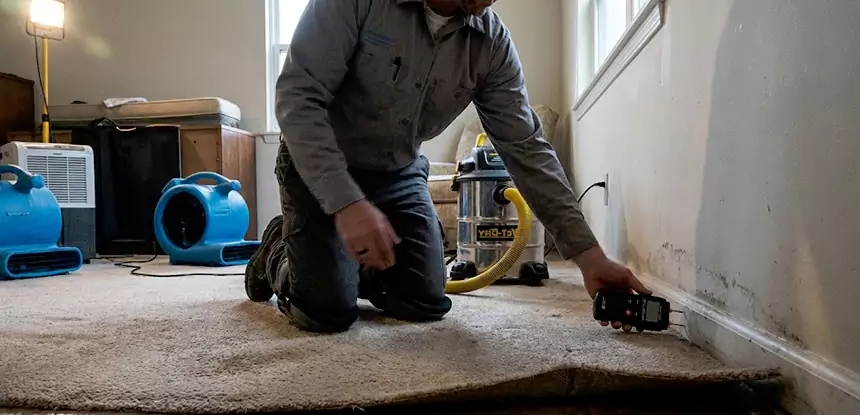
Water damage can strike suddenly, leaving homeowners and business owners overwhelmed by the sheer scale of the mess. Whether caused by a burst pipe, a leaking roof, or severe weather flooding, water indoors can compromise structural integrity and encourage rapid mold growth. When disaster hits, hiring a professional water damage cleanup service is the most effective way to restore safety, cleanliness, and peace of mind to your property.
Understanding what happens during the restoration process helps eliminate uncertainty during a stressful situation. Here is a comprehensive guide on what you can expect when you hire a certified water damage cleanup service.
1. Immediate Response and 24/7 Availability
Water damage is a time-sensitive emergency. The longer water sits on carpets, drywall, or wooden flooring, the deeper it penetrates, causing irreversible structural damage and increasing the risk of toxic mold growth within 24 to 48 hours.
A reputable water damage cleanup service operates 24/7 and typically dispatches an emergency response team immediately after your call. Upon arrival, the specialists take swift action to secure the scene, identify the water source, and stop any ongoing leaks or flooding if it hasn’t been resolved already.
2. Comprehensive Property Inspection and Assessment
Once the immediate threat is contained, technicians perform a thorough damage assessment. Using advanced diagnostic tools, they determine the extent of water penetration and classify the level of contamination.
Categorizing Water Contamination
- Category 1 (Clean Water): Originates from sanitary sources like broken water lines or sink overflows.
- Category 2 (Gray Water): Contains significant contamination from sources like dishwasher discharge or washing machine overflows.
- Category 3 (Black Water): Highly unsanitary water containing sewage, river flooding, or chemical contaminants that pose serious health risks.
Moisture Detection Technology
Professionals do not rely solely on visual inspection. They use moisture meters, moisture probes, and thermal imaging (infrared) cameras to detect hidden moisture trapped behind walls, beneath subflooring, and inside ceiling cavities. Based on these findings, they create a customized restoration plan.
3. High-Powered Water Extraction
The next critical step is removing standing water as quickly as possible. A professional water damage cleanup service uses commercial-grade equipment capable of removing thousands of gallons of water in a short time.
- Submersible Pumps: Used for high-volume extraction when dealing with deep flooding in basements or lower levels.
- Truck-Mounted Vacuum Units: Powerful suction devices that rapidly pull water from carpets, hardwood floors, and concrete surfaces.
- Specialized Floor Machines: Heavy-duty weighted extraction tools designed to squeeze water out of underlying carpet padding and subfloors without tearing materials.
Rapid extraction reduces drying time significantly and minimizes permanent warping or swelling of building materials.
4. Professional Drying and Dehumidification
Even after all visible standing water is removed, materials like drywall, wood, insulation, and plaster retain hidden moisture. Leaving this moisture untreated leads to structural weakening, lingering odors, and severe mold infestations.
To ensure complete moisture removal, a water damage cleanup service sets up industrial drying equipment:
- High-Velocity Air Movers: Positioned strategically to circulate air at high speeds across floors and walls, accelerating evaporation.
- Industrial Dehumidifiers: Refrigerant or desiccant dehumidifiers pull moisture out of the air, lowering relative humidity levels so materials dry thoroughly.
- Injectidry and Cavity Drying Systems: Specialized equipment that pumps dry air directly behind walls, cabinets, and inside floor joists without needing total demolition.
Technicians monitor humidity and moisture levels daily, adjusting the placement of equipment until all affected areas meet industry-standard dry standards.
5. Cleaning, Sanitizing, and Odor Removal
Water damage often leaves behind contaminants, bacteria, and unpleasant musty odors. A vital part of any water damage cleanup service is thorough cleaning and sanitation to ensure the environment is safe for re-occupancy.
Sanitization and Antimicrobial Treatments
Technicians apply EPA-registered antimicrobial, antibacterial, and disinfectant treatments to prevent mold growth, kill lingering pathogens, and sanitize structural elements.
Content Cleaning
Personal belongings, furniture, rugs, and paperwork affected by water are evaluated. Restoration specialists use specialized techniques such as ultrasonic cleaning, freeze-drying for documents, and dry cleaning for textiles to restore salvageable items.
Odor Elimination
Simple air fresheners only mask smells. Professionals use advanced air scrubbing machines equipped with HEPA filters, air hydroxyl generators, or ozone machines to neutralize smoke and water-related odor molecules at the source.
6. Mold Remediation and Prevention
Because mold spores thrive in damp conditions, mold prevention is an essential component of professional cleanup. If mold has already begun to grow prior to the arrival of the cleanup team, certified specialists isolate the area using plastic containment barriers and negative air pressure to prevent spores from spreading to unaffected rooms. They then safely remove contaminated porous materials and treat non-porous surfaces.
7. Restoration and Reconstruction
The final phase of a water damage cleanup service focuses on returning your property to its pre-loss condition. Depending on the severity of the damage, restoration may involve minor repairs or extensive reconstruction.
- Minor Repairs: Replacing damaged drywall sections, installing new carpet padding, repainting walls, and refinishing hardwood floors.
- Major Reconstruction: Rebuilding structural framing, re-tiling bathrooms, or completely renovating rooms affected by severe flooding or black water exposure.
Full-service restoration companies handle both the cleanup and structural reconstruction, offering a seamless transition from water extraction back to a fully restored home or business.
8. Assistance with Insurance Claims
Navigating property insurance claims after water damage can be complicated and stressful. Most professional restoration companies work directly with major insurance providers to ease the burden on property owners.
An experienced water damage cleanup service will:
- Document all structural and inventory damage with detailed photos and moisture readings.
- Provide itemized line-item estimates using industry-standard pricing software (such as Xactimate).
- Communicate directly with your insurance adjuster to ensure all necessary cleanup and repair steps are covered.
Final Thoughts
Dealing with water intrusion is a daunting task, but acting quickly with the help of experts makes all the difference. A professional water damage cleanup service brings technical expertise, specialized heavy equipment, and systematic processes to contain the disaster, dry your space safely, and repair structural damage. By knowing what to expect during each step of the restoration journey, you can make informed decisions and ensure your property is completely safe, clean, and fully restored.