
Understanding Weight Loss for Women
Achieving weight loss for women is about much more than simply reducing the number on the scale. Every woman’s body is unique, influenced by hormones, age, metabolism, lifestyle, and genetics. Because of these differences, there is no universal solution that works for everyone. Instead, lasting success comes from adopting healthy habits that support both physical and mental well-being.
Many women struggle with unrealistic expectations created by fad diets and quick-fix programs. While these methods may produce temporary results, they rarely provide sustainable outcomes. A balanced approach that combines nutritious eating, regular exercise, quality sleep, and stress management is the foundation for maintaining a healthy weight over the long term.
Why Women Lose Weight Differently Than Men
Women’s bodies naturally carry a higher percentage of body fat than men’s bodies. Hormonal changes during menstruation, pregnancy, postpartum recovery, and menopause can also influence metabolism, appetite, and fat storage.
These biological differences mean that women often experience weight fluctuations throughout different stages of life. Instead of comparing progress with others, it is more beneficial to focus on personal health goals and gradual improvements.
Understanding these natural changes helps women develop realistic expectations and maintain motivation during their weight loss journey.
Build Healthy Eating Habits
Nutrition is one of the most important factors in successful weight management. Rather than following restrictive diets, women should focus on consuming nutrient-dense foods that provide lasting energy and promote overall health.
A balanced diet should include:
Lean Protein
Protein helps preserve muscle mass while promoting fullness. Good sources include:
- Chicken breast
- Turkey
- Fish
- Eggs
- Greek yogurt
- Beans
- Lentils
- Tofu
Including protein with every meal can help reduce unnecessary snacking throughout the day.
Whole Grains
Whole grains provide fiber and slow-digesting carbohydrates that stabilize blood sugar levels.
Examples include:
- Brown rice
- Quinoa
- Oats
- Whole wheat bread
- Barley
These foods provide sustained energy without causing large spikes in blood sugar.
Fruits and Vegetables
Colorful fruits and vegetables contain vitamins, minerals, antioxidants, and fiber while remaining relatively low in calories.
Aim to fill at least half of every plate with vegetables and include fruit as a healthy snack or dessert.
Healthy Fats
Healthy fats are essential for hormone production and overall wellness.
Choose foods such as:
- Avocados
- Nuts
- Seeds
- Olive oil
- Fatty fish
Moderation remains important because healthy fats are calorie-dense.
Control Portion Sizes Without Feeling Deprived
One of the easiest ways to improve eating habits is by managing portion sizes rather than eliminating favorite foods completely.
Helpful strategies include:
- Use smaller plates.
- Eat slowly.
- Stop eating when comfortably full.
- Avoid distractions while eating.
- Plan meals ahead of time.
These simple habits help reduce overeating while making meals more satisfying.
Stay Hydrated Every Day
Water plays a major role in digestion, metabolism, and appetite regulation.
Many people mistake thirst for hunger, leading to unnecessary calorie consumption. Drinking water before meals may also help reduce overall food intake.
Most women benefit from drinking water consistently throughout the day, especially during exercise or warm weather.
Exercise for Long-Term Success
Physical activity supports fat loss while improving cardiovascular health, strength, mood, and energy levels.
The best exercise routine combines several forms of movement.
Cardiovascular Exercise
Cardio burns calories and improves heart health.
Popular options include:
- Walking
- Running
- Cycling
- Swimming
- Dancing
- Hiking
Even brisk walking for 30 minutes most days can make a noticeable difference.
Strength Training
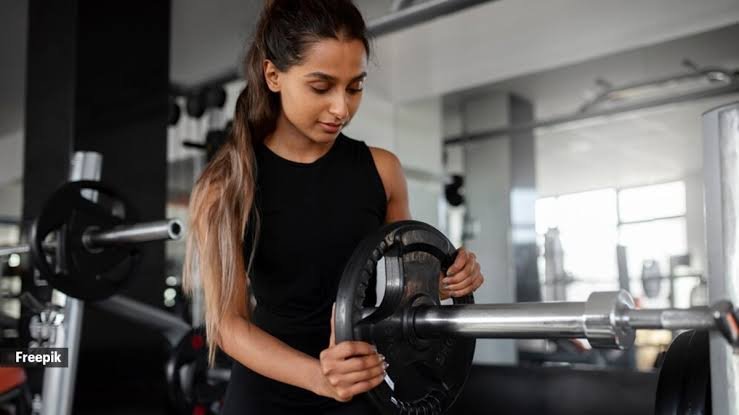
Many women avoid lifting weights because they fear becoming bulky. In reality, strength training builds lean muscle, increases metabolism, and improves body composition.
Exercises include:
- Squats
- Lunges
- Push-ups
- Dumbbell exercises
- Resistance bands
- Machine workouts
Aim for two or three strength-training sessions each week.
Flexibility and Recovery
Stretching, yoga, and mobility exercises improve flexibility while reducing the risk of injury.
Recovery is equally important because muscles repair and grow during rest periods.
Prioritize Sleep
Sleep is often overlooked when discussing weight loss for women, yet it directly affects hormones that regulate hunger and fullness.
Poor sleep may increase cravings for sugary foods while reducing energy for physical activity.
Healthy sleep habits include:
- Going to bed at the same time daily
- Limiting screen time before bed
- Keeping the bedroom cool and dark
- Avoiding caffeine late in the day
Most adults benefit from seven to nine hours of quality sleep each night.
Manage Stress Effectively
Chronic stress can increase cortisol levels, encouraging fat storage and emotional eating.
Healthy stress-management techniques include:
- Meditation
- Deep breathing
- Journaling
- Walking outdoors
- Reading
- Spending time with family and friends
- Practicing hobbies
Reducing stress supports both emotional health and long-term weight management.
Avoid Crash Diets
Extremely restrictive diets often promise rapid results but usually lead to muscle loss, nutrient deficiencies, and rebound weight gain.
Instead of eliminating entire food groups, focus on building habits that can be maintained for years.
A moderate calorie deficit combined with balanced nutrition is generally more effective than severe restriction.
Track Progress Beyond the Scale
Body weight is only one measurement of success.
Other valuable indicators include:
- Increased strength
- Better endurance
- Improved energy
- Better-fitting clothes
- Reduced waist circumference
- Improved blood pressure
- Healthier cholesterol levels
Celebrating these achievements helps maintain motivation even when the scale changes slowly.
Create Sustainable Daily Habits
Small habits repeated consistently produce impressive long-term results.
Examples include:
- Preparing healthy meals in advance
- Taking the stairs
- Walking after meals
- Packing nutritious snacks
- Drinking more water
- Exercising regularly
- Limiting sugary beverages
These habits become easier over time and create lasting lifestyle improvements.
Stay Consistent Through Challenges
Every weight loss journey includes setbacks. Holidays, vacations, work stress, and family responsibilities can temporarily interrupt healthy routines.
Rather than giving up after one unhealthy meal or missed workout, simply return to healthy habits at the next opportunity.
Consistency over months and years matters far more than perfection.
Set Realistic Goals
Healthy weight loss occurs gradually. Losing one to two pounds per week is generally considered a safe and sustainable pace for most women.
Setting realistic goals helps prevent disappointment and encourages long-term commitment.
Instead of focusing only on appearance, consider goals such as:
- Walking five days each week
- Drinking more water
- Cooking healthy meals
- Increasing daily protein intake
- Sleeping eight hours each night
Behavior-based goals often produce better long-term outcomes than scale-focused goals.
Conclusion
Successful weight loss for women is built on healthy habits rather than temporary diets or extreme exercise programs. Eating balanced meals, staying physically active, sleeping well, managing stress, and maintaining realistic expectations all contribute to lasting results. Every woman progresses at her own pace, and sustainable improvements are far more valuable than rapid changes that cannot be maintained. By focusing on consistency, self-care, and gradual lifestyle changes, women can improve their health, increase their confidence, and achieve long-lasting weight management success.