
Teaching English abroad has become one of the most popular career paths for South Africans seeking international work experience, cultural exchange, and financial growth. With English being one of South Africa’s official languages, many South Africans are well-positioned to pursue teaching roles overseas. However, understanding the specific requirements, qualifications, and processes involved is essential before embarking on this journey.
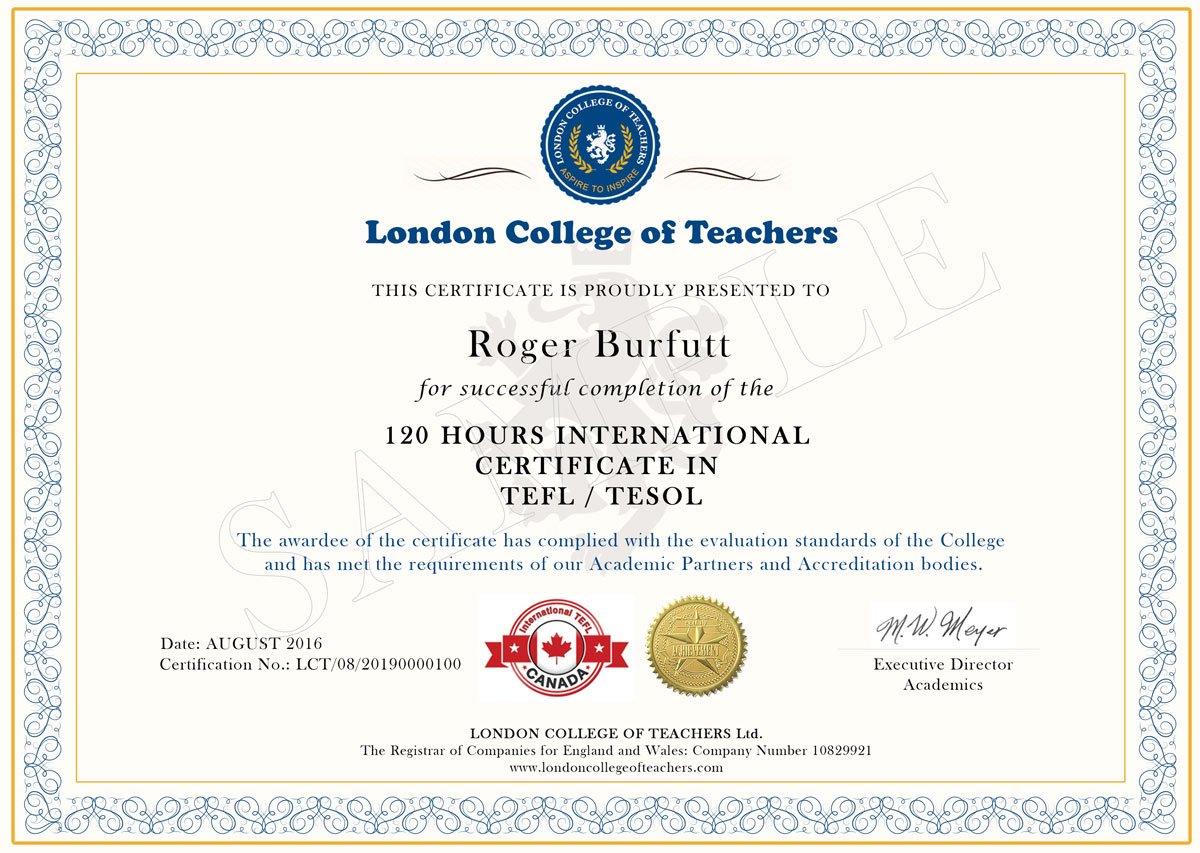
One of the most important qualifications for aspiring teachers is a TEFL certificate. Enrolling in accredited TEFL courses for South African teachers ensures that you meet global standards and are eligible for teaching positions in competitive markets. This article explores everything you need to know about the requirements for South Africans to teach English abroad with TEFL.
Why TEFL Certification Is Essential
TEFL stands for Teaching English as a Foreign Language. It is a globally recognized qualification that certifies you to teach English to non-native speakers. While South Africans are native or fluent English speakers, most international schools and language institutes require formal training in teaching methodology.
A TEFL certificate provides:
- Classroom management skills
- Lesson planning techniques
- Understanding of grammar instruction
- Strategies for teaching different age groups
- Assessment and evaluation methods
Without a TEFL certificate, it can be difficult to secure legal employment in many countries. Accredited TEFL courses for South African teachers are especially valuable because they align with international standards and are recognized by employers worldwide.
Basic Requirements for South Africans to Teach English Abroad
Although requirements vary by country, there are common criteria that most schools and governments expect.
English Proficiency
South Africa is recognized as an English-speaking country. However, some countries may request proof that your schooling or university education was conducted in English. Having a TEFL certificate strengthens your application and demonstrates formal training.
TEFL Certification
Most countries require a minimum of 120 hours of TEFL training. Accredited TEFL courses for South African teachers typically offer this standard, ensuring your qualification meets international hiring requirements.
Some countries may also require practical teaching hours. When selecting a TEFL course, it is wise to confirm whether it includes observed teaching practice, as this can enhance your employability.
Bachelor’s Degree (Sometimes Required)
While not mandatory everywhere, many countries—particularly in Asia and the Middle East—require a bachelor’s degree for work visa approval. The degree does not always have to be in education or English, but it must be from a recognized institution.
Countries such as China, South Korea, and the UAE often require a degree for legal employment. However, in regions like Latin America or parts of Europe, it may be possible to teach with only a TEFL certificate.
Clean Criminal Record
A police clearance certificate is commonly required for visa applications. South Africans must obtain a police clearance from the South African Police Service (SAPS). This ensures that teachers working with children meet international safeguarding standards.
Valid Passport
A passport with sufficient validity (usually at least six months beyond your intended stay) is required. Some countries also require multiple blank pages for visa stamps.
Choosing the Right TEFL Course
Not all TEFL courses are created equal. Choosing accredited TEFL courses for South African teachers ensures that your qualification is internationally recognized.
Accreditation Matters
Accreditation confirms that the course meets specific educational standards. Employers often verify the credibility of TEFL providers. Courses accredited by recognized educational bodies or international TEFL associations carry more weight.
Online vs In-Class Courses
South Africans can choose between online, in-person, or hybrid TEFL programs.
Online Courses:
- Flexible scheduling
- Lower costs
- Ideal for working professionals
In-Class Courses:
- Hands-on teaching practice
- Direct trainer support
- Better classroom preparation
Hybrid Courses:
- Combination of online theory and in-person practice
Many employers now accept online certifications, provided they come from accredited TEFL courses for South African teachers.
Course Duration and Content
A reputable course should include at least 120 hours of study. Advanced courses may offer 150 to 300 hours and specialized modules in business English, young learners, or exam preparation.
Ensure your course covers:
- Teaching methodologies
- Grammar instruction
- Phonetics and pronunciation
- Classroom management
- Lesson planning
- Teaching large classes
Visa and Work Permit Requirements
Each country has specific visa regulations. Understanding these requirements before applying is crucial.
Asia
Countries such as China, South Korea, Japan, Thailand, and Vietnam are popular destinations. Many require:
- Bachelor’s degree
- 120-hour TEFL certificate
- Clean criminal record
- Medical check
Middle East
The UAE, Saudi Arabia, and Qatar often offer higher salaries but stricter requirements. Typically, you will need:
- Bachelor’s degree (often in education or English)
- TEFL or TESOL certification
- Teaching experience
- Authenticated documents
Europe
In the European Union, work visas can be more challenging unless you hold EU citizenship. However, some programs and private schools hire South Africans with TEFL certification, especially in Eastern Europe.
Latin America
Countries such as Mexico, Colombia, and Chile are more flexible. Many schools prioritize TEFL certification over a formal degree, making accredited TEFL courses for South African teachers especially valuable in these regions.
Financial Considerations
Teaching English abroad can be financially rewarding, but it is important to prepare for initial costs.
Upfront Expenses
- TEFL course fees
- Passport and visa processing
- Police clearance
- Flight tickets
- Accommodation deposits
Salary Expectations
Salaries vary widely by region. Asian and Middle Eastern countries typically offer higher pay and benefits such as free housing or airfare reimbursement. Latin America may offer lower salaries but a lower cost of living.
Researching cost of living and salary packages in your target country helps ensure realistic expectations.
Cultural Adaptation and Professional Readiness
Beyond formal requirements, successful teaching abroad requires adaptability and professionalism.
Cultural Awareness
Understanding local customs, traditions, and workplace expectations is vital. Cultural sensitivity enhances your classroom effectiveness and strengthens relationships with students and colleagues.
Communication Skills
Clear communication, patience, and empathy are essential. Even fluent English speakers benefit from teacher training that focuses on simplifying language for learners.
Accredited TEFL courses for South African teachers often include modules on cross-cultural communication and teaching diverse learners.
Advantages for South Africans
South Africans have several advantages when applying for teaching roles abroad:
- Native or near-native English proficiency
- Strong educational background
- Cultural diversity experience
- Adaptability
Additionally, South African teachers are known for their resilience and flexibility, qualities highly valued by international schools.
Steps to Get Started
If you are ready to pursue teaching English abroad, follow these steps:
- Research destination countries and their requirements
- Enroll in accredited TEFL courses for South African teachers
- Obtain your police clearance certificate
- Prepare a professional CV tailored for ESL teaching
- Gather academic transcripts and certified copies
- Apply for jobs through reputable platforms
- Secure your work visa
Taking these steps methodically increases your chances of a smooth transition abroad.
Final Thoughts
Teaching English abroad is an exciting opportunity for South Africans seeking adventure, professional growth, and international exposure. However, understanding the legal, academic, and professional requirements is crucial before making the move.
The foundation of a successful ESL career lies in quality training. Enrolling in accredited TEFL courses for South African teachers not only fulfills visa requirements but also equips you with the skills and confidence needed to excel in the classroom.