
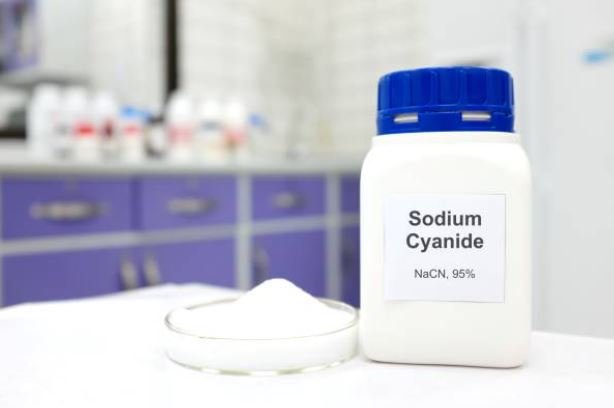
Sodium cyanide is a highly toxic chemical that requires strict controls wherever it is stored, transported, or used. Because exposure can become life-threatening quickly, understanding basic safety principles is essential for workers, supervisors, emergency responders, and organizations responsible for chemical management. This article explains important facts about sodium cyanide, general safety rules, precautionary measures, and appropriate emergency principles without providing instructions for unsafe handling or use.
What Is Sodium Cyanide?
Sodium cyanide is a chemical compound commonly represented by the formula NaCN. It is typically encountered as a white or nearly white solid and is known for its extremely high toxicity. The chemical can interfere with the body’s ability to use oxygen at the cellular level, making significant exposure a medical emergency.
The Italian term cianuro di sodio refers to sodium cyanide. Although terminology may differ between countries and industries, the safety concerns remain the same. Organizations should ensure that employees understand both the chemical name and any alternative terminology that may appear on labels, safety documents, or workplace records.
Sodium cyanide has legitimate industrial applications, but its toxicity means that access and use must be tightly controlled. Only trained and authorized personnel should work in environments where this substance may be present.
Why Sodium Cyanide Requires Strict Safety Controls
The primary concern associated with sodium cyanide is acute toxicity. Exposure can occur through several routes, including inhalation, ingestion, and contact with contaminated materials. Certain chemical conditions can also result in the release of highly toxic cyanide-containing gases.
Because serious poisoning can develop rapidly, prevention is much more important than relying on emergency treatment after exposure occurs. Facilities should therefore use established chemical-management systems, appropriate engineering controls, employee training, and emergency procedures.
A workplace should never treat sodium cyanide as an ordinary laboratory or industrial chemical. Storage, access, inventory, transportation, waste management, and emergency planning should all be addressed through formal procedures.
Essential Sodium Cyanide Safety Rules
The first rule is to prevent unnecessary exposure. Sodium cyanide should only be present where there is a legitimate and controlled purpose. Unauthorized access should be prevented, and containers should remain properly identified and secured according to applicable regulations.
Employees should never handle the substance casually or experiment with it. Workplace procedures should be based on the manufacturer’s Safety Data Sheet (SDS), relevant occupational-safety requirements, and site-specific risk assessments.
Appropriate personal protective equipment should be selected by qualified safety professionals according to the specific task and potential exposure. Protective equipment can reduce risk, but it should not be considered a replacement for engineering controls, safe procedures, and effective ventilation.
Eating, drinking, smoking, or applying cosmetics in areas where hazardous chemicals are handled should be prohibited. Hands and exposed skin should be cleaned according to workplace procedures before leaving controlled areas.
Safe Storage and Access
Sodium cyanide should be stored only in an appropriately designated area with restricted access. Containers should be compatible with the material and maintained in good condition. Labels must remain readable so that employees can identify the contents and hazards.
Chemical storage areas should be managed to prevent incompatible substances from coming into contact with sodium cyanide. The exact segregation requirements should be determined using current SDS information and professional chemical-safety guidance rather than assumptions.
Inventory controls are also important. Facilities should know how much hazardous material is present, where it is located, who is authorized to access it, and how discrepancies will be investigated.
Training and Workplace Awareness
Training is one of the most effective ways to reduce chemical accidents. Personnel who may encounter sodium cyanide should understand its hazards, warning signs, workplace procedures, required protective measures, spill-response limitations, and emergency reporting requirements.
Training should be practical and appropriate to each employee’s responsibilities. Workers should know where SDS information is located and how to report damaged containers, unusual odors, leaks, spills, or other potentially dangerous conditions.
Organizations should also conduct periodic reviews of their procedures. Changes in equipment, staffing, chemical quantities, regulations, or facility design can introduce new risks that require updated controls.
Recognizing Potential Exposure
Cyanide poisoning can cause serious symptoms because the substance interferes with cellular oxygen use. Possible signs of significant exposure may include headache, dizziness, confusion, weakness, difficulty breathing, nausea, abnormal heart activity, seizures, unconsciousness, and collapse.
Symptoms can vary depending on the amount and route of exposure. A person who appears seriously ill after a possible cyanide exposure should be treated as having a medical emergency.
Importantly, people should not rely on smell to determine whether cyanide is present or whether an area is safe. Odor is not a dependable safety indicator, and some individuals may not detect characteristic odors at all.
What to Do During an Emergency
If an accidental release or suspected exposure occurs, people should prioritize personal safety and follow the facility’s emergency plan. Untrained individuals should not attempt to investigate, contain, clean up, or rescue someone from a contaminated area if doing so could expose them to the chemical.
The appropriate response is to move away from the hazard when it can be done safely, alert responsible emergency personnel, and contact local emergency medical services or an appropriate poison-control resource. Emergency responders should be informed that sodium cyanide may be involved so they can use suitable procedures and protective equipment.
A contaminated person should not be handled casually by unprotected individuals. Secondary exposure is an important concern during chemical emergencies.
Medical Attention Is Essential
Suspected cyanide exposure requires immediate professional medical evaluation. Treatment decisions should be made by qualified healthcare professionals and emergency responders. Specialized antidotal treatment may be available in medical settings, but it must be administered by professionals following appropriate clinical protocols.
People should not attempt to self-treat suspected poisoning or rely on household remedies. Prompt communication with emergency services can make a critical difference.
Environmental and Waste Considerations
Sodium cyanide should never be disposed of through ordinary household waste, drains, or unauthorized disposal systems. Waste containing this chemical must be managed according to applicable hazardous-waste regulations and the organization’s approved procedures.
Environmental releases can create serious risks for people, animals, and ecosystems. Any suspected release should be reported through the appropriate emergency and environmental channels, with cleanup handled by properly trained and equipped professionals.
Important Facts About Sodium Cyanide
Several facts are especially important to remember. Sodium cyanide is highly toxic, and relatively small exposures can present serious health hazards. It should therefore be treated as a high-risk substance rather than an ordinary chemical.
Another important fact is that emergency preparedness matters before an incident happens. Facilities should establish communication procedures, emergency contacts, evacuation or isolation plans, training programs, and access controls in advance.
The term cianuro di sodio may appear in Italian-language documents or searches, but the underlying hazard is identical. Anyone responsible for chemical safety should verify information against current regulatory requirements and the manufacturer’s SDS.
Final Safety Perspective
Sodium cyanide can have legitimate industrial applications, but its extreme toxicity demands careful management. The safest approach combines prevention, restricted access, appropriate training, reliable labeling, professional risk assessment, suitable protective measures, and well-developed emergency procedures.
Workers should never improvise when dealing with this substance. If there is a suspected exposure, spill, damaged container, or uncontrolled release, the priority should be to avoid further exposure and obtain assistance from trained emergency professionals. Understanding the dangers of sodium cyanide—and taking those dangers seriously—is essential for protecting workers, communities, and the environment.