
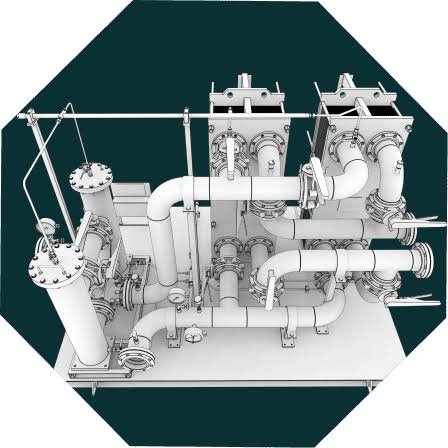
Pipe Stress Analysis Services play an important role in designing safe, durable, and efficient piping systems for industrial facilities. Piping networks Pipe Stress Analysis Services are exposed to different operating conditions, including pressure, temperature changes, vibration, weight, and external forces. Without proper analysis, these factors can cause excessive stress, deformation, equipment damage, or even system failure. Professional pipe stress analysis helps engineers identify potential problems before construction and operation.
What Is Pipe Stress Analysis?
Pipe stress analysis is an engineering process used to evaluate how a piping system responds to various loads and operating conditions. Engineers use specialized software and engineering calculations to determine stress levels, displacement, support loads, and forces acting on connected equipment.
The analysis considers factors such as internal pressure, thermal expansion, pipe weight, wind loads, seismic activity, vibration, and occasional loading conditions. The results help engineers determine whether the piping design meets applicable industry standards and safety requirements.
Importance of Pipe Stress Analysis Services
A properly analyzed piping system can improve plant safety and operational reliability. Temperature changes can cause pipes to expand or contract, creating significant forces at bends, supports, valves, and equipment connections. Pipe stress analysis identifies these effects and helps engineers develop suitable solutions.
These services can also prevent costly maintenance and unexpected shutdowns. By identifying weaknesses during the design stage, companies can make corrections before fabrication or installation. This approach can reduce construction changes and extend the service life of piping components.
Key Areas Covered by Pipe Stress Analysis
Professional Pipe Stress Analysis Services typically evaluate several important aspects of a piping system. These include sustained loads, thermal loads, occasional loads, and displacement stresses.
Sustained loads include the weight of pipes, valves, insulation, and other components combined with internal pressure. Thermal loads occur when piping expands or contracts due to temperature changes. Occasional loads may result from events such as wind, seismic conditions, pressure surges, or other operational situations.
Engineers also evaluate nozzle loads on pumps, compressors, turbines, vessels, and other connected equipment. Keeping these loads within acceptable limits helps protect expensive equipment and maintain reliable plant operation.
Applications Across Different Industries
Pipe stress analysis is used across many industries where complex piping systems are essential. These services are commonly required in oil and gas facilities, petrochemical plants, power generation facilities, chemical processing plants, refineries, pharmaceutical facilities, and manufacturing operations.
Each industry may have different operating requirements and design considerations. Experienced engineers assess the specific conditions of each project and develop an analysis approach that matches the piping configuration and applicable engineering standards.
Benefits of Professional Pipe Stress Analysis
Hiring experienced professionals for pipe stress analysis provides several advantages. First, it helps improve piping system safety by identifying areas where excessive stress or movement may occur. Second, it supports better equipment protection by evaluating forces transferred to connected machinery.
Professional analysis can also improve material selection, support placement, and overall system design. Engineers can recommend additional supports, expansion loops, guides, anchors, or other modifications when required.
Another important benefit is compliance. Proper analysis helps demonstrate that a piping system has been designed according to relevant codes, specifications, and project requirements.
Choosing the Right Service Provider
When selecting Pipe Stress Analysis Services, companies should consider the provider’s engineering experience, technical capabilities, software expertise, and understanding of industry standards. A reliable engineering team should be able to review piping layouts, operating conditions, support arrangements, and equipment requirements.
Clear documentation is also essential. Detailed reports and analysis results allow project teams to understand potential issues and implement appropriate design improvements.
Conclusion
Pipe Stress Analysis Services are essential for creating safe, reliable, and efficient industrial piping systems. By evaluating pressure, temperature, weight, vibration, environmental forces, and equipment connections, engineers can identify potential problems and improve system performance. Professional analysis not only supports safety and compliance but can also reduce maintenance costs, prevent failures, and increase the long-term reliability of industrial piping infrastructure.