
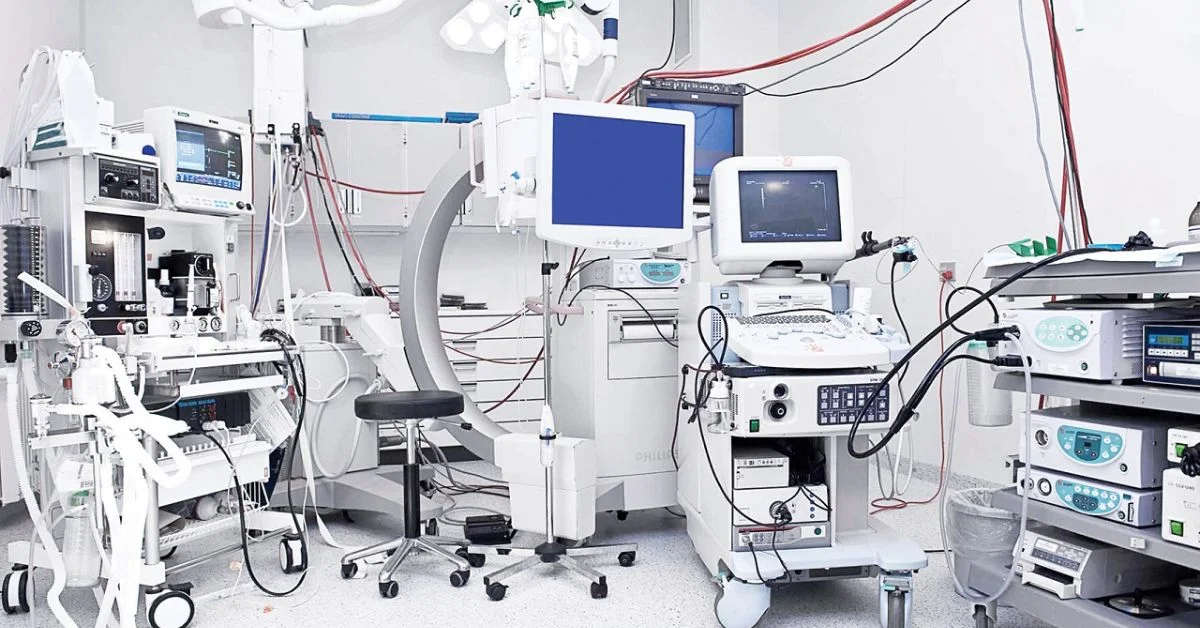
Healthcare facilities today face increasing pressure to deliver high-quality care while managing tight budgets. One of the biggest investment decisions involves choosing the right medical equipment. Whether you run a hospital, clinic, diagnostic center, or private practice, the choice between new and refurbished equipment can significantly affect your operational efficiency, patient care, and financial stability. Understanding the advantages and limitations of both options is essential before making a purchase.
Understanding New Medical Equipment
New medical equipment refers to devices that are purchased directly from the manufacturer or authorized distributor and have never been used before. These products come with the latest technology, full warranties, and manufacturer support.
Advantages of New Equipment
The most obvious benefit of new equipment is reliability. Since the machine has not been used previously, there is minimal risk of wear and tear. This reduces the chances of unexpected breakdowns and ensures consistent performance.
New equipment also includes the latest technological features. In fields such as radiology, cardiology, and laboratory diagnostics, updated technology can improve accuracy, reduce procedure time, and enhance patient outcomes. Advanced software integration, AI-based diagnostics, and improved imaging quality are typically available only in newer models.
Another major advantage is warranty coverage. Most manufacturers offer comprehensive warranties, technical support, and training. This gives healthcare providers peace of mind and reduces maintenance costs during the initial years.
Compliance is also easier with new devices. Regulatory standards and safety requirements are constantly evolving, and new equipment is built to meet the latest guidelines. This is particularly important for facilities seeking accreditation or operating under strict healthcare regulations.
Disadvantages of New Equipment
The biggest drawback is cost. New medical equipment is significantly more expensive than refurbished alternatives. For small clinics, startups, and facilities in developing regions, this high upfront investment can be financially challenging.
Depreciation is another factor. Like most technology, medical devices lose value quickly once purchased. Within a few years, a newer model may be released, making the existing one less competitive despite still being functional.
Additionally, longer delivery times can sometimes be an issue. Manufacturing and shipping delays may slow down facility setup or expansion plans.
Understanding Refurbished Medical Equipment
Refurbished medical equipment consists of previously used devices that have been restored to working condition. These machines are inspected, repaired, calibrated, cleaned, and tested before resale. Reputable refurbishment companies follow strict quality control processes to ensure safety and performance.
Advantages of Refurbished Equipment
Cost savings is the most significant benefit. Refurbished equipment can cost 30% to 70% less than new models. This allows healthcare providers to acquire high-quality medical equipment without exceeding their budget.
For new clinics and diagnostic centers, refurbished devices make it possible to offer a wide range of services from the start. Instead of purchasing one new machine, facilities may be able to afford multiple refurbished units, expanding their capabilities.
Availability is another advantage. Refurbished equipment is often ready for immediate delivery, which is useful when replacing a faulty device or setting up a new department quickly.
Environmental sustainability is also an important consideration. Buying refurbished equipment reduces electronic waste and promotes responsible resource utilization, making it an eco-friendly choice.
Disadvantages of Refurbished Equipment
Refurbished equipment may have a shorter lifespan compared to new devices. Although it is restored to good working condition, some components may still experience wear over time.
Warranty coverage is usually limited. While many reputable sellers offer warranties, they are typically shorter than those provided for new equipment. This may increase long-term maintenance costs.
Technology is another factor. Refurbished models are often older, which means they may lack the latest features, software compatibility, or advanced imaging capabilities. In fast-evolving specialties, this can affect diagnostic accuracy or efficiency.
There is also variability in quality. Not all refurbishment providers follow the same standards. Purchasing from an unreliable source may result in poorly restored equipment, leading to frequent breakdowns and safety concerns.
Key Factors to Consider Before Choosing
Budget and Financial Planning
Your available budget plays a crucial role in deciding between new and refurbished medical equipment. Large hospitals with strong financial resources may benefit from investing in new technology, while smaller clinics may find refurbished options more practical.
Type of Equipment
Not all devices are equal. High-risk and life-support equipment, such as ventilators and anesthesia machines, are often better purchased new due to safety concerns. On the other hand, imaging systems, patient monitors, and laboratory analyzers can often be safely purchased refurbished if sourced from a reputable supplier.
Usage Frequency
Equipment that will be used continuously in high-volume settings should ideally be new to ensure durability and reliability. For facilities with moderate or occasional usage, refurbished devices can perform efficiently without excessive wear.
Regulatory Compliance
Healthcare facilities must ensure that all medical equipment meets local regulatory and safety standards. New equipment usually meets these requirements automatically, while refurbished devices must be carefully evaluated for certification and calibration records.
Service and Maintenance Support
Access to spare parts, technical support, and trained service engineers is essential. Before purchasing refurbished equipment, confirm that maintenance services and replacement components are readily available.
Cost vs. Value: A Strategic Perspective
While new equipment offers the latest features and longer lifespan, refurbished equipment provides excellent value for money. The decision should not be based solely on price but on overall return on investment.
For example, a diagnostic center may generate revenue quickly by purchasing multiple refurbished machines instead of a single new unit. Conversely, a tertiary-care hospital performing complex procedures may require the precision and advanced capabilities of new technology.
Balancing performance, cost, and clinical requirements is the key to making the right choice.
When New Equipment Is the Better Choice
New medical equipment is ideal when:
You need cutting-edge technology for specialized procedures
Patient safety requires the highest level of reliability
Long-term usage justifies the higher initial investment
You want full manufacturer warranty and training support
You must meet strict accreditation or regulatory standards
When Refurbished Equipment Is the Better Choice
Refurbished medical equipment is suitable when:
You have budget constraints
You are setting up a new clinic or expanding services
The equipment type does not require the latest technology
You purchase from a certified and reputable refurbishment provider
You need quick delivery and installation
The Importance of Choosing a Reliable Supplier
Whether buying new or refurbished, selecting a trustworthy supplier is critical. Look for vendors who provide detailed documentation, performance testing reports, installation support, and training. For refurbished equipment, ensure that the refurbishment process includes component replacement, calibration, software updates, and quality assurance checks.
Requesting a demonstration and checking references from other healthcare facilities can help verify the supplier’s credibility.
Conclusion
There is no universal answer to whether new or refurbished medical equipment is better. The right choice depends on your clinical needs, budget, patient volume, and long-term strategy. New equipment offers advanced technology, full warranties, and maximum reliability, making it ideal for high-end healthcare settings. Refurbished equipment, on the other hand, provides cost-effective solutions, faster availability, and sustainable benefits, making it a practical option for many facilities.
By carefully evaluating your requirements and working with reputable suppliers, you can invest in medical equipment that enhances patient care, improves operational efficiency, and supports the financial health of your organization.