
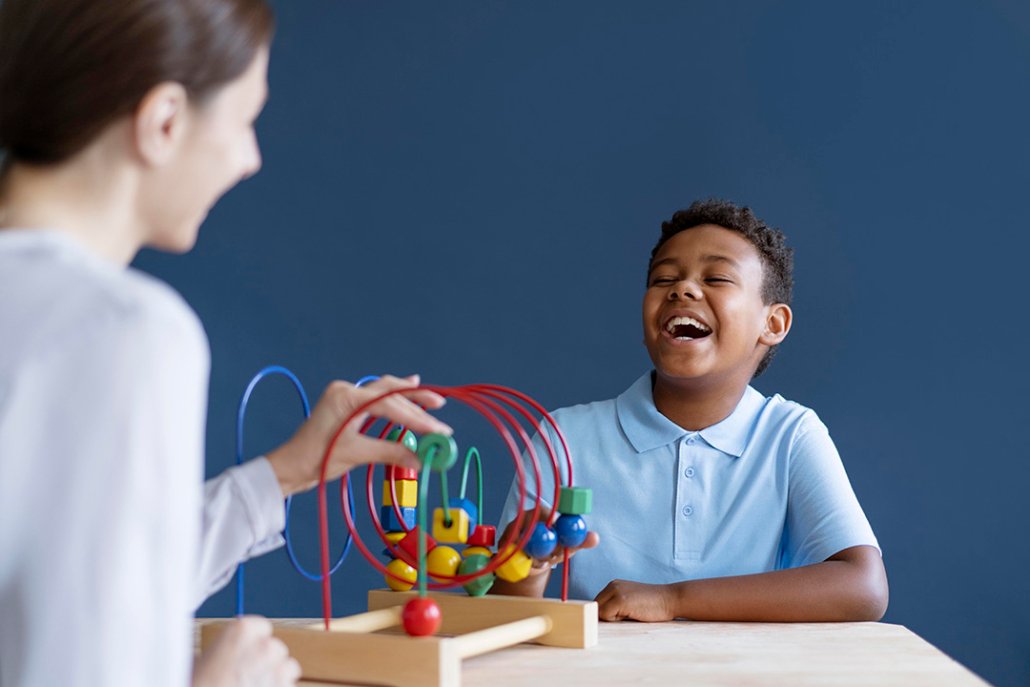
ADHD, or Attention Deficit Hyperactivity Disorder, is a common neurodevelopmental disorder affecting millions of children worldwide. It is characterized by symptoms such as inattention, hyperactivity, and impulsivity, which can interfere with daily functioning, academic performance, and social interactions. While medication can be effective for many children with ADHD, behavioral therapy has emerged as a crucial component in comprehensive ADHD treatment plans. Behavioral therapy focuses on helping children develop skills to manage their symptoms and improve overall functioning. Understanding these approaches can empower parents, educators, and caregivers to support children more effectively.
Understanding ADHD in Children
Children with ADHD often struggle with focusing on tasks, following instructions, and regulating their emotions. These challenges can affect their relationships with family, peers, and teachers. ADHD is not a result of poor parenting or lack of discipline, but rather a neurological condition that requires thoughtful management. Early intervention is key to helping children learn coping strategies and reducing the long-term impact of ADHD on academic, social, and emotional development.
The Role of Behavioral Therapy in ADHD Treatment for Children
Behavioral therapy is a structured approach that focuses on modifying a child’s behavior through reinforcement, consequences, and skill-building exercises. Unlike medications that target neurological symptoms, behavioral therapy addresses the practical, day-to-day challenges children face. It provides children with tools to improve self-control, attention, and organization.
Behavioral therapy can be delivered in several formats, including individual therapy, parent training programs, and school-based interventions. Each of these approaches targets specific areas of a child’s life, creating a holistic support system.
Parent Training and Family Involvement
Parent training is a cornerstone of behavioral therapy for children with ADHD. Parents learn techniques to encourage positive behavior, manage disruptive behavior, and establish consistent routines. This includes setting clear expectations, using reward systems for desirable behaviors, and applying consistent consequences for inappropriate behaviors.
Family involvement is essential because children with ADHD benefit from a structured and supportive home environment. When parents and caregivers apply behavioral strategies consistently, children are more likely to internalize positive behaviors and develop self-regulation skills.
School-Based Behavioral Interventions
Schools play a critical role in ADHD treatment for children. Behavioral therapy within the classroom can help children manage attention difficulties and impulsivity in an academic setting. Techniques include breaking tasks into smaller, manageable steps, providing frequent feedback, and offering positive reinforcement for staying on task.
Teachers can also implement organizational supports such as visual schedules, checklists, and structured routines to help children with ADHD stay focused and complete assignments. Collaboration between parents and teachers ensures that behavioral strategies are consistent across home and school environments.
Individual Behavioral Therapy
Individual behavioral therapy allows children to work directly with a trained therapist to develop specific skills. This may include problem-solving techniques, social skills training, and strategies to control impulsive behaviors. Therapists use methods such as modeling, role-playing, and cognitive-behavioral techniques to teach children practical skills they can apply in real-life situations.
Individual therapy can be particularly beneficial for children who struggle with anxiety, low self-esteem, or social difficulties alongside ADHD. It helps them understand their emotions, develop coping strategies, and build confidence in their abilities.
Positive Reinforcement and Reward Systems
A key principle of behavioral therapy in ADHD treatment for children is the use of positive reinforcement. Reward systems encourage children to engage in desired behaviors by providing incentives such as praise, tokens, or privileges. Immediate and consistent reinforcement is more effective than delayed rewards, as it helps children associate their behavior with positive outcomes.
Reward systems can be customized to suit each child’s interests and developmental level. For example, younger children may respond well to sticker charts, while older children may be motivated by privileges such as extra screen time or choice in activities.
Addressing Impulsivity and Emotional Regulation
Children with ADHD often struggle with impulsivity and emotional regulation, which can lead to conflicts with peers and adults. Behavioral therapy provides techniques to help children pause before acting, recognize triggers, and use coping strategies to manage strong emotions.
Techniques such as deep breathing, counting to ten, or using a “calm corner” allow children to regain control when they feel overwhelmed. Over time, these strategies help children develop better self-control and improve their social interactions.
Combining Behavioral Therapy with Medication
While behavioral therapy is highly effective on its own, research shows that combining it with medication can produce the best outcomes for many children with ADHD. Medications such as stimulants or non-stimulants help reduce core symptoms of inattention and hyperactivity, making it easier for children to engage in behavioral therapy.
This integrated approach allows children to practice behavioral skills while experiencing improved focus and impulse control. Collaboration between healthcare providers, therapists, and families is essential to ensure that the treatment plan is individualized and balanced.
Monitoring Progress and Adjusting Strategies
ADHD treatment for children requires ongoing monitoring and adjustment. Behavioral therapy involves setting clear goals and tracking progress over time. Parents, teachers, and therapists regularly review strategies to determine what works best for each child and make necessary adjustments.
Flexibility is key, as children’s needs may change with age, school transitions, or developmental stages. By continuously evaluating progress, caregivers can ensure that behavioral therapy remains effective and relevant.
Benefits Beyond Symptom Management
Behavioral therapy offers benefits that go beyond simply reducing ADHD symptoms. Children develop life skills such as organization, time management, problem-solving, and interpersonal skills. These abilities not only improve academic performance but also support long-term success in social and professional settings.
Moreover, children who experience consistent support and positive reinforcement are more likely to develop confidence and resilience. Behavioral therapy helps children recognize their strengths and learn constructive ways to navigate challenges.
Conclusion
ADHD treatment for children is most effective when it includes a comprehensive behavioral therapy plan. By combining parent training, school-based interventions, and individual therapy, children can develop practical skills to manage attention, impulsivity, and emotional regulation. Positive reinforcement, structured routines, and consistent support create an environment in which children can thrive.
When paired with medication if needed, behavioral therapy empowers children with ADHD to achieve their potential academically, socially, and emotionally. Early intervention, collaboration between caregivers and professionals, and ongoing monitoring ensure that children receive the guidance and tools necessary to succeed. Behavioral therapy is not just about managing ADHD—it is about equipping children with skills that will benefit them throughout their lives, helping them grow into confident, capable, and resilient individuals.
ADHD treatment for children is a journey, but with the right strategies and support, children can learn to navigate their challenges and flourish.