
Session vocalists are expected to arrive with their parts ready. Warm-ups are fine. Learning your part in the session is not — studio time is expensive, and engineers and producers working with session musicians expect professional preparation.
For backing vocals specifically, preparation requires understanding the harmonic structure of the song, the specific parts that have already been recorded, and where the backing vocal needs to sit relative to both the lead and the existing harmonic bed. Getting this right without access to the stems requires a lot of listening and a fair amount of guesswork.
Stem separation removes the guesswork.
What Backing Vocalists Need Before a Session?
Before recording backing vocals, a session vocalist needs to know: what the lead vocal is doing, what the arrangement is doing harmonically, whether any other vocals already exist in the arrangement, and what role their specific part is meant to fill in the overall blend.
In a well-organized session, this information comes from the producer in advance — chord charts, scratch vocals, and a reference mix. In many sessions, what actually arrives is a rough mix file with the stems inaccessible. The vocalist is working from a blend, trying to identify information that’s present but not clearly audible.
This is where stem separation becomes a preparation tool rather than just a post-production one.
The part you need to fit is in the mix. Separation makes it visible.
What Separated Stems Reveal for Vocal Preparation?
Lead Vocal Pitch and Phrasing in Isolation
Lead vocal phrasing affects backing vocal timing. The specific end of a phrase, the length of a held note, the rhythm of a lyric — these define where backing vocal parts need to sit and move. In a full mix, the lead vocal competes with the arrangement for clarity. Separated, the specific pitch choices and phrasing decisions become analyzable.
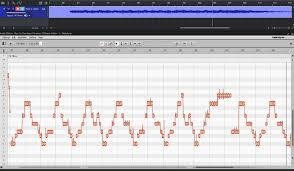
A stem splitter that cleanly extracts the lead vocal allows the backing vocalist to study the exact pitch movements, the vibrato timing, and the phrase endings they’ll be harmonizing with — not a general impression of the melody, but the specific version the producer has approved.
Harmonic Content Without Melodic Interference
The underlying chord structure of an arrangement is clearest when the melodic content is removed. Separating the lead vocal and melodic instruments from the harmony and rhythm section makes the harmonic movement of the song more audible — specifically the color tones, the suspensions, and the passing chords that affect which harmony notes work for backing vocals.
Knowing that a chord is Cmaj7 rather than just C major matters for choosing which backing vocal note to sing on beat three of the bar. That distinction is often audible in the separated harmonic stem but masked in the full mix.
Existing Vocal Arrangements
If the session already has background vocals from a different session or from the artist’s own pre-production, those parts need to be learned before adding new ones. Separating the existing vocal content from the full mix allows the session vocalist to hear exactly what harmonies are already present and where the open spaces are.
How to Use Stem Separation to Prepare Backing Parts?
Work from the highest quality reference you can access. The cleaner the mix you run through the stem splitter, the cleaner the separated stems will be. If you can get a pre-master or a mix without heavy limiting, the separation will be more detailed than from a heavily compressed stream.
Separate the lead vocal and map your harmonies to its actual pitch. Once you have the isolated lead vocal, pitch-analyze it or sing along to it directly to lock in the exact harmony intervals. Harmonies built from a clean isolated lead will be more accurate than harmonies built from listening to the full mix.
Identify where your part needs to create distance from the lead. Listen to the isolated lead vocal and the arrangement separately to understand where unison might cause problems and where wider intervals are needed to create the harmonic effect the producer is looking for. Going into a session with these choices already made saves time.
Practice with the stems separator extracted backing track. Once you’ve separated the arrangement without the lead vocal, you have a custom backing track for your rehearsal — one that includes the real drum, bass, and instrument content of the session, not a rough piano demo. Practicing against the real backing track produces a more session-ready performance than practicing against a scratch demo.
Frequently Asked Questions
What information does a backing vocalist need before a session that a rough mix doesn’t provide?
A backing vocalist needs to know what the lead vocal is doing (specific pitch movements and phrasing), what the arrangement is doing harmonically (including color tones, suspensions, and passing chords), whether any other vocals already exist in the arrangement, and what role their specific part is meant to fill. A rough mix file provides a blend of all of this without making any of it clearly audible. Stem separation turns an inaccessible blend into analyzable components: the lead vocal isolated for phrasing study, harmonic content without melodic interference, and existing backing vocal arrangements separated from everything around them.
How does isolating the lead vocal improve backing vocal harmony accuracy?
When the lead vocal is separated, backing vocalists can analyze the exact pitch movements, vibrato timing, and phrase endings they’ll be harmonizing with — not a general impression of the melody, but the specific version the producer has approved. Harmonies built from a clean isolated lead are more accurate than harmonies built from listening to a full mix where the lead competes with the arrangement. Knowing the exact note the lead hits on a specific beat — rather than approximating it from the blend — determines whether the backing vocal creates the right interval or a slightly off one.
How can session vocalists use stem separation to create a better rehearsal environment?
After separating the vocal and arrangement stems, vocalists can practice against the real drum, bass, and instrument content of the session rather than a scratch demo. This practice track — the full arrangement without the lead vocal — provides a more session-ready rehearsal environment than any demo substitute. Prior to this practice, map where your harmony needs distance from the lead and where unison might cause problems; going into a session with these choices already made is what separates musicians who get booked again from those who learn their parts in the studio.
The Professionalism That Comes From Better Preparation
Session musicians with a reputation for arriving prepared get booked again. The ones who learn their parts in the studio — even if they’re technically skilled — create inefficiency that producers remember.
Stem separation gives vocalists the tools to prepare at a level of detail that was previously available only to musicians with producer access to the session files. The preparation quality that results — accurate harmonies, correct phrasing, knowledge of the existing arrangement — is indistinguishable from what you’d get by sitting in on the recording sessions.
The tools are accessible. The preparation level is achievable. The session reputation is earned by the work done before the recording light goes on.