
The Rising Power of Digital Communities in Creative Expression
Online communities have transformed the way people share ideas, collaborate, and develop creative work. In the past, creativity was often limited by geography, access to mentors, or availability of tools. Today, digital platforms allow individuals from different countries, cultures, and backgrounds to connect instantly and exchange inspiration. This global interaction has made creativity more dynamic, diverse, and continuous.
One of the most important aspects of online communities is their ability to bring together people with shared interests. Whether it is writing, art, coding, photography, or music, there is a space for every niche. These spaces act as creative ecosystems where ideas grow through feedback, collaboration, and exposure to different perspectives.
How Interaction Drives Creative Growth
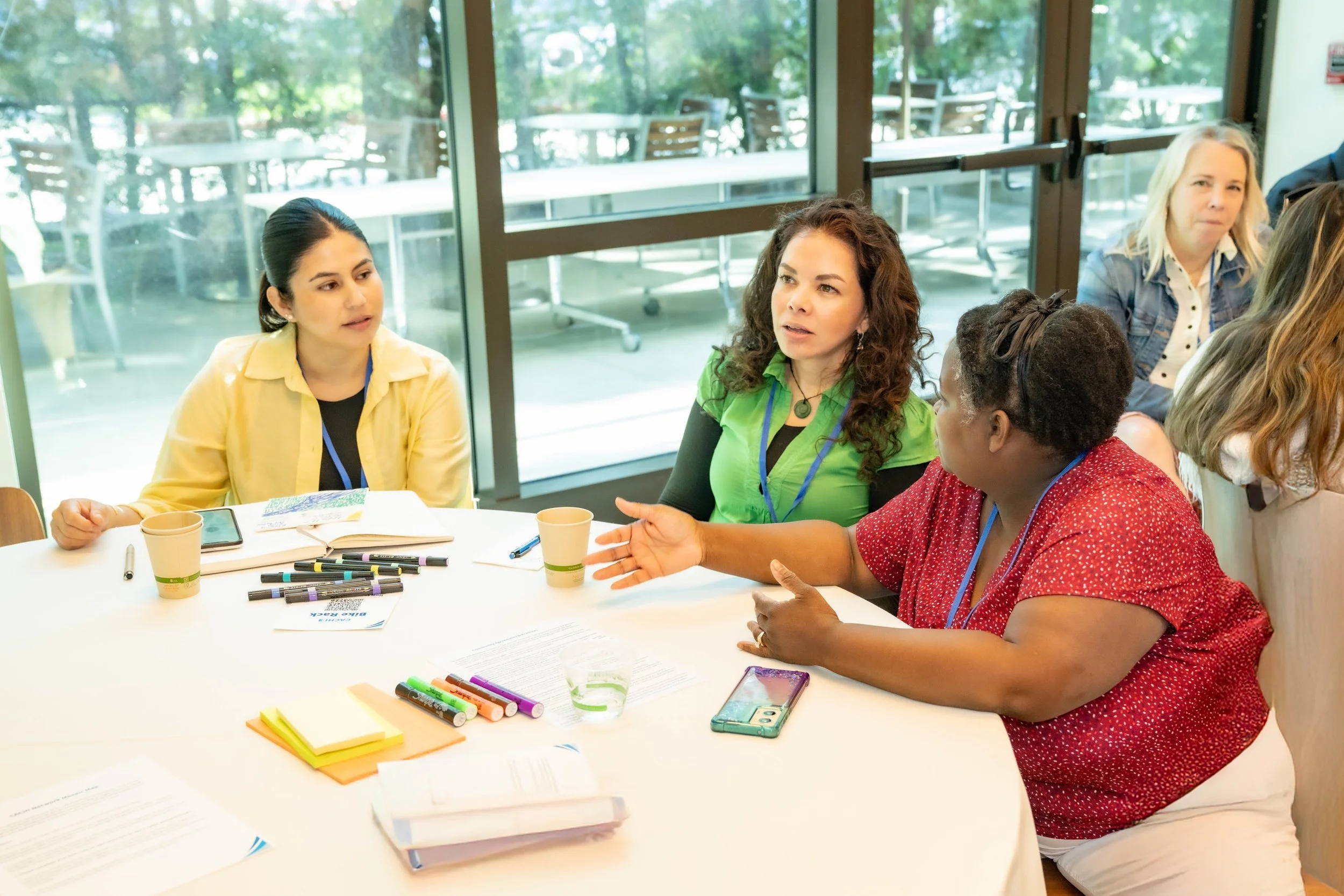
Creativity is rarely a solo process. In online communities, users constantly interact through comments, discussions, and collaborative projects. This interaction helps individuals refine their ideas and improve their work based on constructive feedback.
For example, a beginner artist can upload their work and receive suggestions from experienced designers around the world. Similarly, writers can test story ideas and improve narrative structure based on reader responses. This real-time exchange of feedback accelerates learning and encourages experimentation.
The diversity of opinions in online communities is especially valuable. When people from different cultures contribute their viewpoints, it challenges individuals to think differently. This exposure often leads to innovative ideas that would not emerge in isolated environments.
The Role of Collaboration and Shared Projects
Collaboration is one of the strongest drivers of creativity in online communities. Many platforms encourage users to work together on shared projects such as digital art, open-source software, storytelling forums, and music production.
These collaborations often combine different skill sets. A designer might work with a programmer, while a writer collaborates with an illustrator. The result is a richer creative output than what any single individual could produce alone.
Open-source communities are a perfect example of this phenomenon. Developers from across the world contribute to software projects, improving functionality and solving problems collectively. This collaborative spirit not only produces better results but also teaches participants valuable skills.
Learning Through Observation and Inspiration
Another way online communities foster creativity is by allowing users to observe the work of others. Platforms filled with user-generated content provide endless inspiration. Seeing how others solve problems or express ideas can spark new directions in one’s own creative process.
For instance, a photographer might discover new editing styles by browsing community galleries. A musician may experiment with new genres after listening to independent creators online. This constant exposure to creativity helps individuals expand their imagination and break out of traditional patterns.
Even communities that are more controversial or less mainstream, such as 草榴社区, demonstrate how digital spaces can influence user-generated creativity and discussion patterns. While such platforms may raise ethical and regulatory concerns depending on their content and usage, they still reflect the broader reality that online communities—regardless of type—often become hubs of user interaction, idea exchange, and digital culture formation. The key takeaway is that community-driven environments, in general, shape how people communicate and create content in the digital era.
Safe Spaces for Experimentation
Online communities often provide a sense of safety for experimentation. Many individuals feel more comfortable trying new creative ideas online than in real life, where judgment or failure might feel more intimidating.
This psychological safety is crucial for creativity. People are more willing to take risks, share unfinished work, or explore unusual ideas when they know they are part of a supportive community. Even criticism, when constructive, becomes a tool for growth rather than discouragement.
Platforms that encourage anonymity or pseudonymity can further enhance this effect. Users can focus purely on creative expression without worrying about social pressure or identity constraints.
The Influence of Feedback Loops
Feedback loops are central to how online communities foster creativity. When users post content, they receive responses almost instantly. These responses can include likes, comments, shares, or detailed critiques.
This immediate feedback helps creators understand what resonates with their audience. Over time, they learn to refine their skills and adjust their creative direction. Unlike traditional creative environments where feedback might take weeks or months, online communities offer a continuous cycle of improvement.
However, feedback loops can also shape creativity in complex ways. While positive reinforcement encourages productivity, it can sometimes lead creators to prioritize popularity over originality. Balancing authenticity and audience expectations becomes an important challenge.
Global Exposure and Cultural Exchange
One of the most powerful advantages of online communities is global exposure. Creators are no longer limited to local audiences. A piece of art created in one country can be appreciated instantly on the other side of the world.
This global reach encourages cultural exchange. Artists, writers, and developers are exposed to traditions, styles, and ideas from many different regions. As a result, creativity becomes more hybrid and inclusive.
For example, digital art often blends Eastern and Western aesthetics. Music producers combine instruments and styles from different cultures. Writers incorporate global themes into their storytelling. This blending of influences enriches the creative landscape.
Challenges Within Online Creative Spaces
While online communities foster creativity, they also come with challenges. Information overload can overwhelm users, making it difficult to focus on a single direction. The constant flow of content can lead to comparison anxiety, where creators feel pressured by the success of others.
Additionally, not all feedback is constructive. Negative or toxic interactions can discourage participation and limit creative expression. Moderation and community guidelines play an important role in maintaining a healthy environment.
Another challenge is originality. With so much content available online, it can be difficult for creators to ensure their work remains unique. However, originality often comes not from isolation but from the ability to combine influences in new ways.
The Future of Creativity in Online Communities
As technology continues to evolve, online communities will play an even larger role in shaping creativity. Artificial intelligence, virtual reality, and immersive platforms will further enhance collaboration and expression.
We can expect more interactive environments where users co-create in real time, regardless of distance. Creativity will become even more decentralized, with communities acting as global studios for innovation.
At the same time, ethical considerations and responsible platform management will become increasingly important. Ensuring that communities remain safe, inclusive, and respectful will be essential for sustaining creative growth.
Conclusion
Online communities have fundamentally changed how creativity develops and spreads. Through interaction, collaboration, feedback, and global exposure, they provide fertile ground for new ideas to emerge. Even diverse and controversial platforms, including 草榴社区, highlight the broader impact of digital spaces on communication and content creation.
Ultimately, creativity thrives where people connect, share, and experiment freely. Online communities offer exactly that environment, making them one of the most powerful forces driving innovation in the modern world.