
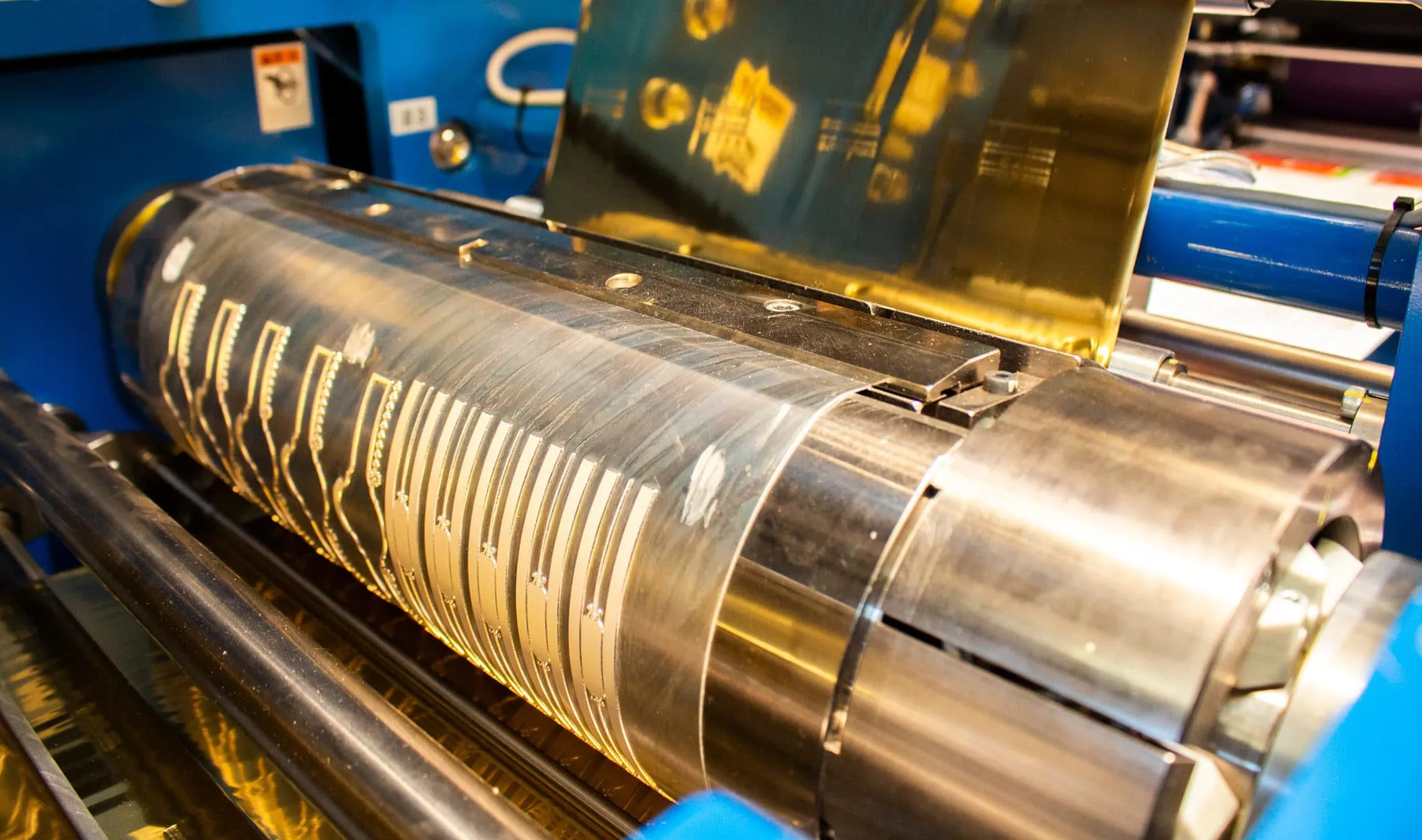
Modern manufacturing depends on reliable equipment, efficient processes, and consistent product quality. Industries that work with metal forming and high-volume production are increasingly focused on improving productivity while controlling operating costs. In this environment, choosing the right Hot Stamping Machine Manufacturer can have a meaningful impact on production performance. Advanced hot stamping equipment can help manufacturers achieve accurate forming, repeatable results, improved material utilization, and smoother production cycles.
A capable manufacturer does more than supply machinery. It develops equipment around practical production requirements, incorporates automation and control technologies, and provides solutions that support long-term operational efficiency. Understanding the approaches used by experienced machine manufacturers can help businesses make informed decisions when upgrading their production capabilities.
Understanding the Role of Hot Stamping in Modern Manufacturing
Hot stamping is a metal forming process in which heated material is shaped under controlled pressure. The process is commonly used when manufacturers require components with specific dimensions, strength, and structural characteristics. Because the process involves heat, forming pressure, tooling, and controlled cooling, equipment performance can directly affect the quality of the finished component.
A modern hot stamping system needs to maintain stable operating conditions throughout production. Variations in temperature, pressure, timing, or material positioning can influence the final result. This is why equipment design is an important consideration for companies seeking consistent manufacturing performance.
A reliable Hot Stamping Machine Manufacturer focuses on developing machines capable of maintaining these conditions accurately across repeated production cycles.
Improving Machine Precision and Stability
Precision is one of the most important factors in production performance. Small variations during forming can create dimensional inconsistencies, surface defects, or unnecessary material waste. Modern hot stamping machines therefore incorporate precise mechanical structures and advanced control systems.
Manufacturers can improve machine stability by using rigid frames, carefully engineered forming mechanisms, accurate temperature monitoring, and dependable hydraulic or servo systems. These features help maintain consistent pressure and movement during operation.
Stable equipment also supports repeatability. When the same production parameters can be maintained throughout hundreds or thousands of cycles, manufacturers can achieve more predictable output and reduce the need for frequent adjustments.
Integrating Advanced Automation
Automation is another important approach to better production performance. Manual handling can increase cycle times and introduce inconsistencies, particularly in high-volume manufacturing environments. A modern machine can integrate automated loading, positioning, forming, cooling, unloading, and inspection functions.
A forward-thinking Hot Stamping Machine Manufacturer may design equipment that can communicate with automated production lines. Sensors and programmable controls can monitor machine conditions and provide operators with real-time information.
Automation can also improve workplace efficiency by reducing repetitive manual tasks. Operators can focus more on monitoring production, quality control, maintenance, and process optimization rather than performing every individual handling step.
Enhancing Temperature Control
Temperature management is central to hot stamping operations. Material must reach an appropriate temperature before forming, and the temperature should remain within a controlled range throughout the process. Uneven heating can affect material behavior and lead to inconsistent results.
Manufacturers can address this challenge through improved heating systems, temperature sensors, programmable controls, and carefully designed thermal management solutions. Monitoring temperature at different stages allows production teams to identify variations before they become larger quality problems.
Better temperature control can contribute to more stable production cycles, improved repeatability, and reduced material waste.
Designing Machines for Faster Production Cycles
Production performance is not only about machine speed. A fast machine that frequently stops or requires lengthy adjustments may not deliver strong overall productivity. Effective machine design balances speed with reliability, precision, and maintainability.
A skilled Hot Stamping Machine Manufacturer considers the complete production cycle when developing equipment. Faster material handling, optimized forming movements, efficient heating, and automated transfers can reduce unnecessary delays.
Manufacturers can also use programmable production settings to simplify changeovers between different components. Reducing setup time allows production facilities to spend more time producing finished parts and less time preparing equipment.
Reducing Material Waste
Material efficiency has become an important concern across manufacturing industries. Waste increases production costs and can reduce the overall efficiency of a manufacturing operation.
Accurate forming helps reduce defective components caused by dimensional inconsistencies. Precise material positioning also helps ensure that each workpiece is processed correctly. Advanced monitoring systems can identify process deviations and allow operators to make adjustments before large quantities of material are affected.
Tooling design is another factor. Properly designed dies and forming tools can help manufacturers achieve consistent shapes while minimizing unnecessary material use.
Supporting Predictive Maintenance
Unexpected equipment downtime can disrupt production schedules and increase operating costs. Predictive and preventive maintenance approaches can help manufacturers identify potential issues before they result in major failures.
Modern machines can incorporate sensors that monitor factors such as temperature, pressure, vibration, operating cycles, and other machine conditions. Collected information can help maintenance teams identify unusual patterns and schedule service at suitable times.
A dependable Hot Stamping Machine Manufacturer can also provide maintenance recommendations, replacement-part guidance, technical documentation, and service support. These resources can help manufacturers maintain equipment performance over a longer operating life.
Improving Operator Control and Usability
Machine performance also depends on how effectively operators can use the equipment. Complicated controls can increase training requirements and make troubleshooting more difficult. Modern interfaces should therefore provide clear information and accessible controls.
Touchscreen interfaces, programmable recipes, alarm notifications, process displays, and diagnostic functions can make operation more straightforward. Operators can quickly review important production parameters and respond to unusual conditions.
Better usability can support consistent operation across different shifts and reduce the likelihood of incorrect machine settings.
Offering Customization for Different Production Needs
Every manufacturing operation has different requirements. Production volume, component dimensions, material characteristics, available floor space, automation levels, and tooling requirements can vary significantly.
For this reason, machine customization is an important approach to improving production performance. An experienced Hot Stamping Machine Manufacturer can adapt machine specifications to suit particular production requirements.
Customized solutions may include different forming capacities, heating configurations, automation options, control systems, tooling arrangements, and material handling equipment. A machine designed around the actual production process can provide greater operational compatibility than a standard solution that requires extensive modifications.
Focusing on Energy and Operating Efficiency
Energy consumption can influence the overall cost of manufacturing. Heating systems, hydraulic systems, motors, cooling equipment, and auxiliary components all contribute to energy usage.
Modern equipment can incorporate more efficient heating technologies, variable-speed drives, improved insulation, and optimized machine cycles. Better process control can also prevent unnecessary energy consumption caused by excessive heating or idle operation.
Energy-efficient machine design can support lower operating costs while maintaining the performance required for industrial production.
Providing Strong Technical Support
Equipment installation is only one part of a successful manufacturing solution. Long-term technical support can be equally important. Proper commissioning, operator training, maintenance assistance, troubleshooting, and spare-parts availability can help keep production running smoothly.
A professional Hot Stamping Machine Manufacturer works with customers beyond the initial purchase. Technical support can help businesses understand machine capabilities, optimize operating parameters, and address maintenance requirements.
Strong after-sales support can also reduce the impact of unexpected equipment issues and contribute to longer machine service life.
Conclusion
Better production performance comes from combining precision, automation, process control, reliability, and effective maintenance. A modern Hot Stamping Machine Manufacturer can contribute to these goals by developing equipment that supports stable forming operations, accurate temperature management, efficient material handling, reduced downtime, and consistent product quality.
For manufacturers evaluating new hot stamping equipment, it is important to look beyond basic machine specifications. Machine design, automation capabilities, energy efficiency, customization, usability, maintenance, and technical support should all be considered. By selecting equipment that matches actual production requirements, manufacturers can build a more efficient and dependable production environment while supporting long-term manufacturing objectives.