
Understanding the Role of a French Drain in Basement Waterproofing
Basement moisture is one of the most common problems faced by homeowners, especially in areas with heavy rainfall, poor soil drainage, or high groundwater levels. Excess water around a foundation can create serious structural concerns, including cracks, mold growth, unpleasant odors, and long-term damage. One of the most effective solutions for controlling underground water and protecting a home’s foundation is a french drain for basement waterproofing. This drainage system is designed to redirect water away from the basement and foundation, helping maintain a dry and stable living environment.
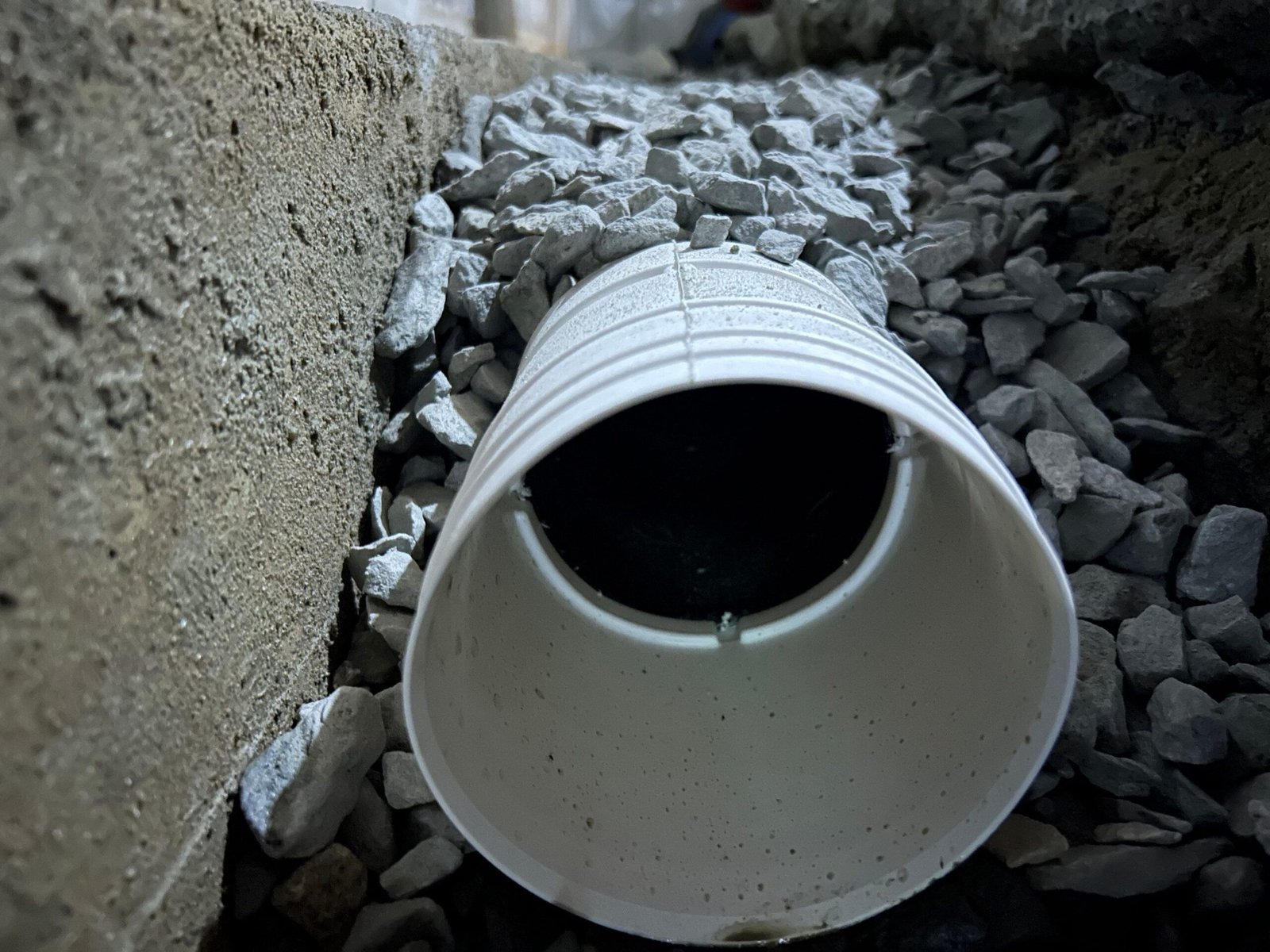
A French drain works by collecting excess groundwater through a perforated pipe installed in a gravel-filled trench. The system allows water to flow away from the foundation before it can enter the basement. When properly installed, it provides a reliable barrier against moisture buildup and reduces the risk of expensive repairs caused by water damage. Many homeowners choose this method because it offers long-term protection and works effectively with other basement waterproofing techniques.
Why Basement Moisture Creates Foundation Problems
Water may seem harmless, but continuous exposure to moisture can weaken the structure of a home over time. When groundwater accumulates around the foundation, it creates hydrostatic pressure. This pressure pushes against basement walls and floors, which can eventually lead to cracks, leaks, and structural movement. Without proper drainage, even small amounts of water can become a major problem.
Basement moisture can also encourage the growth of mold and mildew. These issues not only damage building materials but may also reduce indoor air quality. Wooden structures, insulation, drywall, and flooring can deteriorate when exposed to excessive humidity and water intrusion. Preventing these problems early is much easier and more affordable than repairing severe foundation damage later.
A french drain for basement waterproofing helps solve these concerns by managing water flow around the home. Instead of allowing water to collect near the foundation, the drainage system captures and redirects it to a safer location. This reduces pressure on foundation walls and minimizes the possibility of moisture entering the basement.
How a French Drain System Works
The effectiveness of a French drain comes from its simple but efficient design. During installation, a trench is created around the basement perimeter or exterior foundation area. The trench is filled with gravel or crushed stone, and a perforated drainage pipe is placed inside. The pipe collects groundwater as it moves through the gravel and carries it away from the foundation.
A filter fabric is often added around the drainage materials to prevent soil and debris from blocking the system. In many cases, the collected water is directed toward a sump pump, drainage area, or another suitable outlet. This ensures that water does not remain trapped near the basement walls.
Interior French drains are installed beneath the basement floor around the perimeter. These systems collect water that enters through foundation joints or wall cracks and move it toward a sump pump. Exterior French drains, on the other hand, are installed outside the foundation to stop water before it reaches basement walls. Both options can provide effective protection when designed correctly.
Benefits of Installing a French Drain for Basement Waterproofing
One of the biggest advantages of a french drain for basement waterproofing is its ability to provide continuous moisture control. Unlike temporary fixes that only address visible leaks, a French drain targets the source of the problem by managing groundwater movement.
Another important benefit is foundation protection. By reducing water pressure around the foundation, the drainage system helps prevent cracks and structural weaknesses. A dry foundation is less likely to experience shifting, settling, or deterioration caused by repeated water exposure.
French drains can also improve basement usability. Many homeowners avoid using their basements because of damp conditions, musty smells, or concerns about flooding. A properly installed drainage system creates a cleaner, healthier environment that can be transformed into additional living space, storage areas, or recreational rooms.
Additionally, French drains require relatively low maintenance compared with other waterproofing solutions. Once installed correctly, the system can provide many years of protection with occasional inspections and cleaning to ensure proper water flow.
Signs Your Basement May Need a French Drain
Recognizing early warning signs can help homeowners prevent serious damage. Common indicators that a basement may need improved drainage include water stains on walls, damp floors, recurring basement leaks, mold growth, and cracks in foundation walls.
A musty smell is another sign of excessive moisture. Even if visible water is not present, high humidity levels can indicate that groundwater is affecting the basement environment. Homeowners may also notice peeling paint, damaged flooring, or condensation problems caused by poor moisture control.
If water collects around the exterior of the home after rainfall, it may indicate that the existing drainage system is not effectively moving water away from the foundation. Installing a French drain can help correct these drainage issues and provide stronger protection against future problems.
Professional Installation and Proper Planning
Although French drains are based on a straightforward concept, proper installation requires careful planning and expertise. The location, slope, soil conditions, drainage outlet, and foundation design all influence how well the system performs.
A professional waterproofing contractor can evaluate the property and recommend the best drainage approach. They can determine whether an interior or exterior French drain is more suitable and ensure that the system meets the specific needs of the home.
Incorrect installation can lead to poor drainage, clogged pipes, or continued moisture problems. For this reason, investing in professional installation is often the best choice for homeowners seeking reliable basement protection.
Combining French Drains With Other Waterproofing Methods
While a French drain is highly effective, it can work even better when combined with additional waterproofing solutions. Sealants, sump pumps, vapor barriers, and foundation repairs can provide extra protection against water intrusion.
For example, a sump pump can remove collected water from the drainage system and prevent basement flooding. Waterproof coatings can help protect basement walls, while proper exterior grading can ensure rainwater flows away from the foundation.
Using multiple waterproofing strategies creates a complete moisture management plan. This approach not only protects the basement but also helps preserve the overall value and safety of the property.
Long-Term Protection Through Effective Water Management
A dry basement is an important part of maintaining a healthy and stable home. Excess moisture can lead to expensive repairs, reduced property value, and uncomfortable living conditions. By controlling groundwater and preventing water buildup, a french drain for basement waterproofing provides an effective solution for homeowners who want long-term protection.
This drainage system offers a practical way to prevent moisture-related problems before they become serious. With proper design, installation, and maintenance, a French drain can protect foundations, improve basement conditions, and provide homeowners with greater confidence during wet seasons. Investing in effective basement waterproofing is not only about preventing leaks; it is about preserving the strength, comfort, and durability of the entire home.