
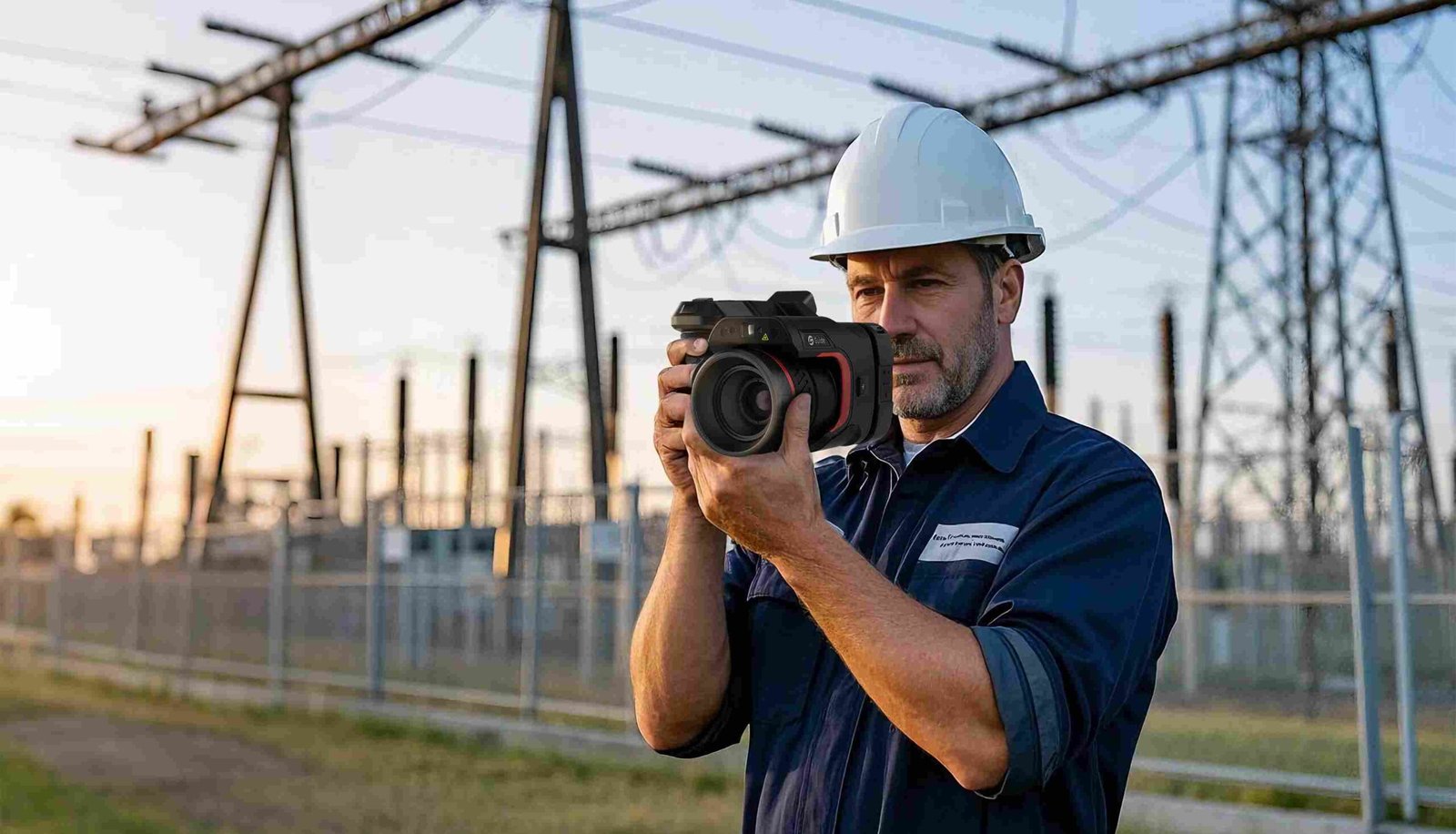
In today’s fast-paced technological environment, the use of advanced imaging tools has become essential for professionals across various industries. Among these tools, multifunctional infrared thermal camera imaging stands out as a critical technology for inspection, surveillance, and analysis. This guide explores the applications, advantages, and technical considerations of this cutting-edge imaging solution, providing professionals with a comprehensive understanding of how to leverage it effectively.
Understanding Multifunctional Infrared Thermal Camera Imaging
Multifunctional infrared thermal camera imaging refers to the use of thermal cameras that detect infrared radiation to produce detailed heat maps of objects or environments. Unlike traditional cameras that rely on visible light, thermal cameras capture temperature variations, allowing users to visualize heat patterns that are invisible to the naked eye. This functionality makes these cameras indispensable in sectors such as industrial maintenance, electrical inspections, building diagnostics, medical imaging, and security operations.
The multifunctional nature of these devices means they combine various features, such as high-resolution imaging, real-time monitoring, data analysis, and connectivity options, into a single portable unit. Professionals benefit from the ability to detect anomalies, prevent potential hazards, and make informed decisions based on precise thermal data.
Applications in Industrial Maintenance
One of the most significant uses of multifunctional infrared thermal camera imaging is in industrial maintenance. Manufacturing plants, energy facilities, and heavy machinery operations rely on these cameras to monitor equipment performance and detect early signs of malfunction. Thermal imaging allows technicians to identify overheating components, inefficient machinery, and electrical faults without interrupting production.
For example, motors, pumps, and transformers can be inspected while operating, providing a non-invasive diagnostic approach that minimizes downtime. By regularly using thermal cameras, professionals can implement predictive maintenance strategies, reducing costs associated with equipment failure and improving overall operational efficiency.
Electrical and Mechanical Inspections
Electrical systems are highly susceptible to faults that can cause equipment damage or safety hazards. Multifunctional infrared thermal camera imaging enables engineers to identify hot spots in electrical panels, circuit breakers, and wiring systems before they escalate into serious issues. This proactive approach enhances safety and ensures compliance with industrial standards.
Similarly, mechanical inspections benefit from thermal imaging. Bearings, shafts, and other moving components generate heat during operation, and abnormal temperature patterns can indicate wear, friction, or misalignment. By utilizing thermal cameras, professionals can schedule timely repairs, avoiding unexpected downtime and ensuring the reliability of mechanical systems.
Building Diagnostics and Energy Efficiency
In the construction and facility management sectors, multifunctional infrared thermal camera imaging is a vital tool for diagnosing building performance and energy efficiency. Thermal cameras can detect insulation gaps, air leaks, water intrusion, and structural deficiencies that compromise energy efficiency and indoor comfort.
Building inspectors and energy auditors use thermal imaging to create detailed heat maps of walls, roofs, windows, and HVAC systems. These insights help in designing targeted solutions for energy savings, reducing utility costs, and enhancing occupant comfort. Furthermore, thermal imaging assists in identifying moisture problems early, preventing mold growth and structural deterioration.
Security and Surveillance Applications
Security professionals and law enforcement agencies increasingly rely on multifunctional infrared thermal camera imaging for surveillance and monitoring. Unlike conventional cameras, thermal imaging works effectively in low-light or no-light environments, providing a tactical advantage for nighttime operations.
These cameras can detect human presence, vehicle movement, or unusual heat signatures, allowing security personnel to respond promptly to potential threats. Additionally, thermal imaging is used in search and rescue operations, where locating individuals in challenging environments, such as forests or disaster zones, is critical for timely intervention.
Medical and Scientific Applications
Thermal imaging also has important applications in the medical and scientific fields. In healthcare, multifunctional infrared thermal camera imaging helps in monitoring body temperature, assessing circulatory conditions, and detecting inflammation. This non-contact approach reduces the risk of cross-contamination and allows for continuous monitoring of patients.
In research and laboratory settings, thermal cameras provide precise measurements of temperature changes in experiments, supporting data analysis and innovation. Scientists can study heat transfer, chemical reactions, and material properties, enhancing the accuracy and efficiency of experimental outcomes.
Features to Consider When Choosing a Thermal Camera
Selecting the right multifunctional infrared thermal camera imaging device depends on several factors. Professionals should consider the following features:
- Resolution and Sensitivity: High-resolution cameras capture finer details, while sensitive detectors can detect subtle temperature differences.
- Temperature Range: Ensure the camera covers the expected temperature range of your applications.
- Portability: Lightweight and ergonomic designs enhance usability during inspections.
- Connectivity: Wi-Fi, Bluetooth, and software integration enable real-time monitoring and data sharing.
- Multifunctionality: Features such as image fusion, video recording, and adjustable palettes improve versatility.
Choosing a camera that balances these specifications ensures optimal performance and reliability in diverse professional scenarios.
Best Practices for Using Thermal Imaging Effectively
To maximize the benefits of multifunctional infrared thermal camera imaging, professionals should follow these best practices:
- Regular Calibration: Ensure the camera is calibrated according to manufacturer guidelines for accurate temperature readings.
- Environmental Considerations: Avoid reflective surfaces and extreme environmental conditions that can distort thermal data.
- Data Documentation: Record and analyze thermal images consistently to track changes over time.
- Training: Proper training in interpreting thermal patterns is essential for accurate diagnostics and decision-making.
- Maintenance: Keep the camera lenses clean and protect the device from physical damage to maintain longevity.
Following these practices ensures reliable and actionable insights across all applications.
Future Trends in Thermal Imaging Technology
The field of multifunctional infrared thermal camera imaging continues to evolve, with innovations improving accuracy, accessibility, and usability. Emerging trends include integration with artificial intelligence for automatic anomaly detection, enhanced mobile applications for remote monitoring, and compact designs suitable for drones and robotic inspections. As technology advances, professionals will gain even more powerful tools to improve efficiency, safety, and decision-making in their respective fields.
Conclusion
Multifunctional infrared thermal camera imaging is a transformative technology that empowers professionals across industries to detect, analyze, and address issues with precision and efficiency. From industrial maintenance to building diagnostics, security, and medical applications, these cameras provide actionable insights that traditional methods cannot match. By understanding the features, applications, and best practices outlined in this guide, professionals can harness the full potential of thermal imaging technology, ensuring enhanced safety, performance, and innovation in their work.