
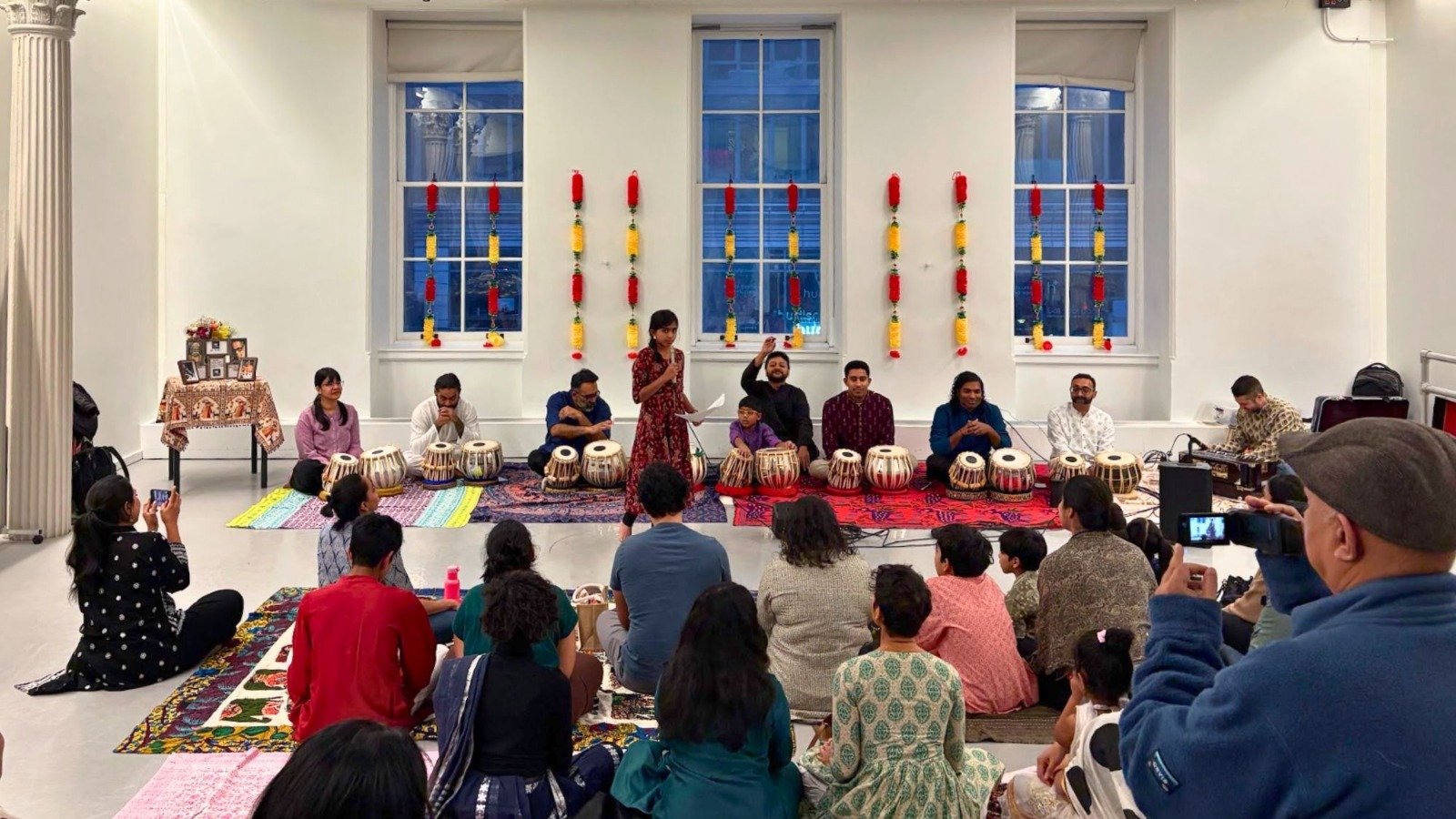
Indian classical music is a vast and intricate tradition, and at the heart of its rhythmic foundation lies the tabla. This pair of hand-played drums embodies centuries of musical evolution, combining technical precision with expressive depth. For Western musicians, exploring the tabla can open doors to new rhythms, textures, and performance possibilities. This guide offers an introduction to tabla, structured in a way familiar to conservatory-trained students, while honoring its rich Indian classical roots.
Understanding the Tabla
The tabla consists of two drums: the smaller, higher-pitched drum called the dayan, usually made of wood, and the larger, lower-pitched bayan, typically crafted from metal or clay. Together, they create a wide tonal palette that allows for melodic as well as percussive expression. Unlike Western drum kits, the tabla emphasizes subtle variations in tone, controlled by finger placement, pressure, and hand technique.
Learning the tabla requires both theoretical knowledge and rigorous physical training. Indian classical percussion employs a system of bols, which are spoken syllables representing specific strokes. Each bol corresponds to a precise finger or hand movement on the drum. Memorizing these syllables and coordinating them into patterns forms the core of tabla education.
Structuring Your Tabla Curriculum
For beginners approaching the tabla from a conservatory perspective, structuring practice into a clear curriculum can accelerate learning while fostering musicality. A well-rounded curriculum typically progresses through the following stages:
- Fundamental Strokes and Techniques
Initial training focuses on mastering basic strokes such as Na, Ta, Tin, Dha, and Ge. Students practice each stroke slowly, emphasizing precision, tone clarity, and hand coordination. Repetition at this stage builds the muscle memory necessary for more complex rhythmic structures. - Simple Rhythmic Patterns (Talas)
After familiarizing themselves with basic strokes, students learn tala cycles, the rhythmic frameworks that define Indian classical music. Common beginner talas include Teentaal (16 beats), Ektaal (12 beats), and Rupak (7 beats). Students practice these cycles using repeated compositions called kaidas and relas, gradually increasing speed while maintaining accuracy. - Composition and Improvisation
Once basic patterns are established, students explore more elaborate compositions and improvisational techniques. This stage emphasizes listening and responding to melodic instruments, integrating improvisational creativity with disciplined timing. In a conservatory setting, this is analogous to ensemble performance or jazz improvisation practice. - Advanced Rhythmic Concepts
Progressing students encounter complex talas, cross-rhythms, and layakari, the manipulation of tempo and rhythm for expressive effect. Advanced tabla study often includes learning to accompany vocalists or instrumentalists, requiring subtle dynamics, phrasing, and attentive listening.
Technique and Hand Mechanics
Western conservatory percussion emphasizes hand positioning, grip, and stroke efficiency, and these principles translate effectively to tabla study. Proper technique prevents strain while producing a full range of tones. Key considerations include:
- Hand Relaxation: Tension limits speed and tonal flexibility. Tabla technique requires relaxed yet controlled hand movements.
- Finger Independence: Each finger contributes uniquely to sound production, particularly on the dayan, where nuanced strokes create melodic variations.
- Pressure Control: Adjusting pressure on the bayan allows dynamic and pitch modulation, crucial for expressive accompaniment.
In structured lessons, students often practice slow exercises, gradually building speed without compromising precision, much like practicing rudiments on a snare drum.
Ensemble Playing and Performance
Tabla’s true artistry shines in ensemble contexts. In Indian classical music, tabla accompanies instruments such as the sitar, sarod, or flute, and in vocal performances. Ensemble practice teaches students to anticipate melodic phrases, respond to improvisation, and maintain rhythmic integrity.
For Western-trained musicians, tabla offers unique opportunities in cross-cultural collaboration. Tabla can blend with jazz, contemporary classical, and even electronic music, providing a distinctive rhythmic voice. Learning to adapt tabla techniques to various musical contexts enhances versatility while preserving traditional methods.
Performance practice is an essential part of progression. Students gradually move from solo exercises to group settings, learning stage presence, phrasing, and improvisational dialogue with other musicians. Public recitals, even informal studio sessions, cultivate confidence and refine interpretive skills.
Finding the Right Instruction
Learning tabla under experienced guidance is crucial for mastering its nuances. Many conservatories and private instructors now offer structured programs that integrate traditional Indian pedagogy with Western teaching methodologies. For those based in New York, exploring tabla lessons in Brooklyn provides access to instructors who balance authenticity with a curriculum-friendly approach for Western students. Quality instruction ensures proper technique, historical context, and personalized feedback, allowing beginners to progress efficiently while avoiding common pitfalls.
Progression and Long-Term Practice
Consistent practice is the backbone of tabla mastery. Beginners are encouraged to maintain daily practice routines, combining technical exercises, tala practice, and improvisation. Recording sessions can help track progress, identify weaknesses, and develop phrasing sensitivity.
As students advance, they expand their repertoire, learn to compose original rhythms, and explore tabla’s role in fusion projects. Experienced teachers often introduce performance strategies, including the art of solo recital (known as tabla solo or tihai sequences), which require intricate planning and rhythmic ingenuity.
Long-term progression is also about integrating tabla study into broader musical understanding. Students gain insights into rhythm theory, meter, and improvisational strategies applicable across genres. Those with a conservatory background may find tabla training enhances their abilities in jazz drumming, orchestral percussion, or contemporary composition.
Embracing the Cultural Context
While adopting a structured, conservatory-style approach, it is vital to respect the cultural and historical context of the tabla. Indian classical percussion carries centuries of tradition, and each rhythm, stroke, and tala embodies aesthetic philosophy. Learning about prominent tabla masters, understanding the gharana system (lineages of teaching), and listening to classical recordings enrich students’ technical study with deep musical insight.
This holistic approach ensures that tabla students not only acquire technical mastery but also appreciate its expressive, cultural, and spiritual dimensions. Combining disciplined technique with attentive listening, improvisation, and cultural literacy prepares students to perform and innovate respectfully.
Conclusion
The tabla offers an extraordinary gateway into Indian classical music, providing both rhythmic discipline and expressive freedom. Approaching it with a conservatory-style curriculum—progressing from technique to tala, ensemble playing, and performance—can help Western students navigate its complexity efficiently. Proper guidance, consistent practice, and cultural awareness are key to a meaningful learning journey.
For aspiring percussionists in New York, exploring tabla lessons in Brooklyn presents an ideal opportunity to receive structured instruction while connecting with the vibrant Indian classical music community. Whether for solo performance, ensemble collaboration, or cross-genre experimentation, the tabla offers a rich, versatile path for musical growth, blending precision, creativity, and cultural depth.