
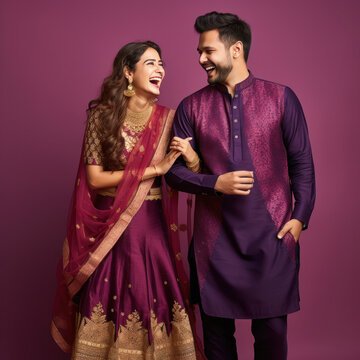
Indian ethnic wear is undergoing a remarkable evolution. While rooted deeply in timeless heritage and rich cultural identity, contemporary designs are rapidly embracing modern sensibilities, functional comfort, and fluid aesthetics. This season, the world of Indian ethnic wear strikes a perfect harmony between grandeur and ease. Lightweight textiles, versatile fusion silhouettes, and thoughtful hand-embroidery are redefining traditional fashion for weddings, festive celebrations, and everyday wardrobe essentials.
Whether you are curate an effortless festive closet or searching for high-impact statement outfits, exploring these emerging developments will keep your style ahead of the curve. Here are the top ten Indian ethnic wear trends set to dominate the fashion landscape this season.
1. Ready-to-Wear and Pre-Draped Sarees
The classic saree remains an unquestioned staple of Indian ethnic wear, but modern draping methods have completely transformed its accessibility. Pre-draped and ready-to-wear sarees feature pre-pleated skirts, elasticated waistbands, and attached pallus that eliminate the time-consuming draping process.
Designed for active, on-the-go lifestyles, these modern sarees often incorporate tailored corsets, belted waists, or tailored jacket overlays. Crafted from fluid materials like tissue organza, georgette, and lightweight silks, pre-draped sarees offer the regal allure of traditional drapes with unmatched convenience and effortless movement.
2. Ethnic Co-Ord Sets and Kaftan Kurtas
Matching two-piece and three-piece ethnic co-ord sets have quickly risen as essential components of contemporary Indian ethnic wear wardrobes. These coordinated sets feature printed or embroidered crop tops, tunic-style kurtis, and matching wide-leg trousers or dhoti pants, creating a sleek silhouette with minimal styling effort.
Alongside co-ords, kaftan kurtas are enjoying widespread popularity. Moving away from strictly casual resort wear, festive kaftan-style kurtas crafted from Chanderi silk, silk blends, and organza offer a relaxed yet luxurious alternative for intimate family gatherings, festive dinners, and daytime ceremonies.
3. Statement Cape Jackets and Floor-Length Layers
Layering has emerged as a major design element across both women’s and men’s Indian ethnic wear collections. Shear cape jackets, floor-length shrugs, and embroidered waistcoats are transforming basic silhouettes into high-fashion ensembles.
Instead of traditional heavy dupattas, fashion lovers are choosing light, embroidered capes that drape across the shoulders, allowing total freedom of movement. Pairing an ornate floor-length cape with a simple crop top and flared lehenga or tailored trousers creates an instantly polished, modern aesthetic suitable for evening receptions.
4. Modern Shararas and Mughal-Inspired Ghararas
Sharara and gharara sets continue their dominant streak in Indian ethnic wear, celebrated for their dramatic flares and regal charm. This season’s iterations highlight refined craftsmanship with Mughal-inspired motifs, delicate scalloped borders, and subtle thread embroidery.
Rather than overly heavy velvet or dense zardozi, modern flared trousers utilize breathable georgette, Chinon silk, and silk blends. These lightweight fabrics ensure that the voluminous skirts and flared trousers dance gracefully with every step, making them an top choice for sangeet nights and festive celebrations.
5. Breathable Natural Fabrics and Sustainable Weaves
Comfort and sustainability are driving major choices in the Indian ethnic wear sector. Fashion enthusiasts are increasingly opting for authentic handlooms, pure cottons, breathable linens, and lightweight silk-blends over heavy synthetic materials.
Artisanal techniques such as hand-block printing, Chikankari, and Bandhani are being seamlessly integrated into simple, minimalist cuts. These natural textiles keep you comfortable during long festive events while promoting sustainable fashion and honoring traditional Indian craft traditions.
6. Saree Gowns and Indo-Western Fusion Silhouettes
The blending of Eastern craftsmanship with Western tailoring has generated some of the most dynamic Indian ethnic wear designs this year. Saree gowns, jumpsuit-style ethnic suits, and corset-style Anarkali gowns offer striking alternatives to conventional attire.
These Indo-Western hybrid silhouettes feature modern structural elements like asymmetric hemlines, thigh-high side slits, deep necklines, and structured boning. They are ideal for cocktail parties, engagement events, and global red-carpet occasions where striking a balance between heritage and modern flair is key.
7. Pastel Palettes and Subtle Metallic Tones
While deep jewel tones like royal red, wine, plum, and emerald teal remain timeless winter choices, soft pastel and metallic shades are defining this season’s daytime and destination events.
The current palette focuses heavily on:
- Soft Pastels: Mint green, lavender, sage green, dusty pink, peach, and powder blue.
- Sophisticated Neutrals: Ivory, pearl white, champagne, and warm beige.
- Wearable Metallics: Antique silver, bronze, champagne gold, and soft purple metallic.
These understated colors provide a fresh, sophisticated canvas that lets detailed threadwork, subtle sequin accents, and natural fabric textures stand out.
8. Tailored Anarkali Gowns with Minimalist Cuts
The Anarkali silhouette is a timeless staple of Indian ethnic wear that has been streamlined for modern sensibilities. Heavy, multi-layered, floor-sweeping Anarkalis are giving way to lighter, single-layer flared gowns made from airy fabrics like georgette, organza, and fine cottons.
Minimalist embroidery focused strictly around the neckline, cuffs, and hem keeps these outfits regal yet lightweight. Paired with sleek straight trousers or wide-leg palazzos, these tailored Anarkalis present an elegant choice for intimate ceremonies and formal gatherings alike.
9. Minimalist Embroidery and Strategic Accents
This season’s design philosophy centers on restraint and balance. Instead of dense, edge-to-edge embellishment, modern Indian ethnic wear highlights targeted craftsmanship.
Key embellishment trends include:
- Targeted Placement: Delicately placed motif work around necklines, waistlines, or sleeve borders.
- Textured Elements: Subtle cut-dana work, delicate zari threads, hanging beads, and tonal sequins.
- Focus on Detail: Replacing heavy embroidery with structural elements like architectural belts, pleats, and statement sleeves.
This balanced approach keeps outfits light, breathable, and easy to wear throughout day-long celebrations.
10. Statement Dupattas as Central Accessories
In contemporary Indian ethnic wear styling, the dupatta has transformed into a focal statement accessory rather than a simple afterthought. Simple kurtis, solid kurta sets, and plain lehenga skirts are elevated instantly by pairing them with heavily detailed dupattas.
Ornate Organza dupattas with scalloped borders, rich Banarasi weave stoles, heavily embroidered Phulkari drapes, and bandhani wraps add depth, texture, and vibrant color to understated base outfits. Furthermore, innovative draping methods—such as cinch-belted dupattas or single-shoulder drapes—give classic outfits a fresh, contemporary finish.
Key Takeaways
The overarching trend in Indian ethnic wear this season is a celebration of individuality, comfort, and versatile design. Whether you lean toward the effortless charm of pre-draped sarees, the sharp aesthetic of ethnic co-ord sets, or the understated luxury of pastel fabrics, current designs allow you to express your cultural roots with contemporary grace. As you update your wardrobe for upcoming festivities, invest in lightweight fabrics, balanced embellishments, and multi-functional silhouettes that deliver timeless style and maximum versatility.