
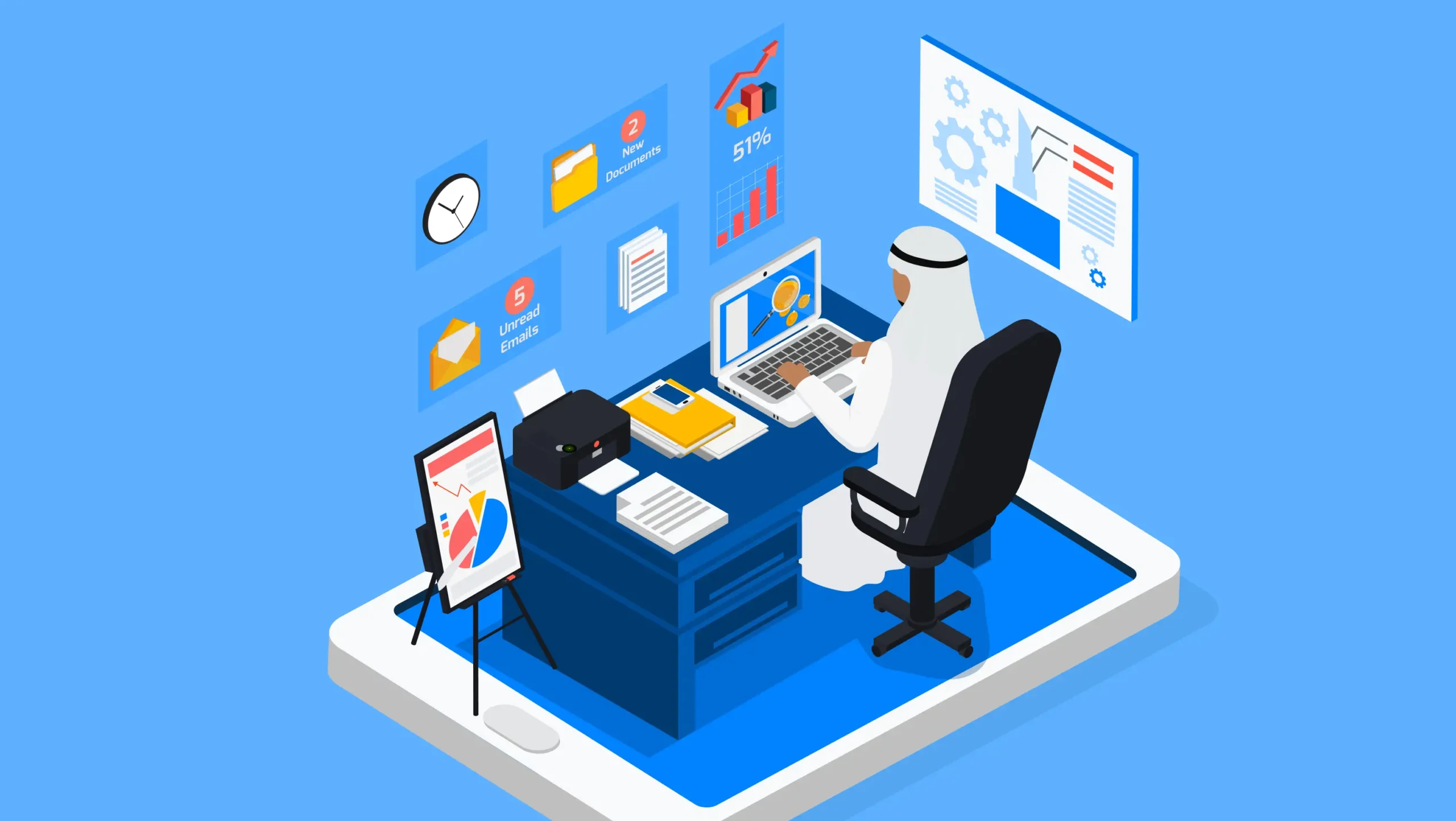
In today’s fast-paced corporate environment, managing human resources efficiently is critical to the success and sustainability of any organization. As businesses expand across diverse regions in India, traditional methods of manual record-keeping, paper-based attendance, and complex physical payroll calculations are no longer viable. Implementing the best hrms software in india allows enterprises, SMBs, and startups to automate administrative tasks, reduce human error, and remain compliant with intricate labor laws.
However, selecting the right platform requires careful consideration. With dozens of solutions offering features ranging from basic attendance tracking to advanced predictive analytics, discovering the best hrms software in india tailored to your specific organizational needs can be challenging. This guide outlines the essential steps, features, and evaluation criteria to help you choose the ideal system for your enterprise.
Understanding HRMS and Its Significance in India
A Human Resource Management System (HRMS) is an integrated digital platform designed to manage, streamline, and automate core HR processes throughout an employee’s lifecycle. From recruitment and onboarding to payroll, performance management, and offboarding, an HRMS serves as a centralized database for all employee-related data.
In the Indian market, businesses face unique operational challenges, including multi-location workforce management, statutory compliance frameworks, and remote or hybrid work setups. Adopting the best hrms software in india ensures that these statutory requirements—such as Provident Fund (PF), Employee State Insurance (ESI), Professional Tax (PT), and Tax Deducted at Source (TDS)—are handled seamlessly without manual intervention.
Key Factors to Consider When Evaluating HRMS Platforms
To find the best hrms software in india for your organization, consider the following critical parameters during your evaluation process:
1. Indian Statutory and Regulatory Compliance
Taxation and labor regulations in India undergo frequent updates. The software you select must automatically adjust to changing compliance norms, including:
- Statutory deductions (PF, ESI, LWF, PT)
- Form 16 generation and TDS calculations
- Gratuity and leave encashment calculations
- Local labor law standards across different Indian states
Failing to adhere to compliance standards can lead to heavy financial penalties and legal complications. Therefore, automated statutory compliance is a mandatory feature for any reliable platform.
2. User Experience and Interface
An HRMS is utilized daily by employees, HR managers, department heads, and executives. If the user interface is overly complex or difficult to navigate, user adoption rates will drop dramatically. Look for a clean, modern, and intuitive interface that requires minimal training for daily use.
3. Scalability and Customization
Your chosen software should grow alongside your business. A solution suited for a startup with 20 employees must be capable of supporting thousands of team members as you scale. Ensure the vendor offers modular customization, allowing you to add features—such as advanced performance modules or learning management systems—when your operational demands increase.
4. Mobile Accessibility and Self-Service Portals
With remote work and field forces becoming standard across India, mobile access is vital. An Employee Self-Service (ESS) mobile app allows workers to apply for leave, mark attendance using geo-fencing, access payslips, and submit expense receipts on the go.
5. Integration Capabilities
Your HRMS must interact smoothly with existing infrastructure, such as accounting software (e.g., Tally, Zoho Books, SAP), biometric attendance systems, and internal communication tools. Seamless API integrations eliminate duplicate data entry and streamline overall operations.
Must-Have Modules in a Comprehensive HRMS Solution
To maximize your return on investment, ensure that the vendor offers an integrated suite covering the entire employee lifecycle.
Core HR and Employee Database Management
Centralize all personnel data, contracts, emergency contacts, and job histories in a secure digital vault. This eliminates physical paperwork and ensures fast retrieval of essential information.
Automated Payroll Processing
Payroll processing in India involves various allowances, deductions, reimbursements, and tax calculations. A robust system calculates salaries automatically, generates monthly payslips, handles direct bank transfers, and computes quarterly and annual tax liabilities effortlessly.
Time, Attendance, and Leave Management
Managing shifts, overtime, leaves, and attendance patterns manually consumes considerable administrative time. The best hrms software in india offers flexible leave policy creation, automated holiday calendars by state, and integration with biometric or geo-tagged attendance devices.
Performance and Appraisal Management
Modern performance evaluation goes beyond annual reviews. Look for platforms that support continuous feedback, 360-degree reviews, and Key Performance Indicator (KPI) / Objectives and Key Results (OKR) tracking to foster employee growth and productivity.
Recruitment and Onboarding (ATS)
An integrated Applicant Tracking System (ATS) simplifies candidate sourcing, interview scheduling, offer letter generation, and digital onboarding, creating a positive experience for new hires from day one.
Steps to Choose the Right HRMS Vendor
Selecting the best hrms software in india requires a structured decision-making process:
Step 1: Identify Your Specific Pain Points
Before contacting vendors, outline the challenges your current HR workflow faces. Are you struggling with payroll accuracy? Is attendance tracking for field staff inefficient? Knowing your priorities ensures you focus on software that solves your precise operational hurdles.
Step 2: Define Your Budget and Deployment Model
Determine whether a Cloud-based Software-as-a-Service (SaaS) model or an On-Premise installation fits your budget. SaaS solutions generally require lower initial investment, offer flexible per-employee monthly pricing, and include automatic maintenance and updates.
Step 3: Request Demos and Trial Access
Never rely solely on sales presentations. Request customized product demonstrations using your company’s sample data. Involve HR staff, IT teams, and finance representatives in the trial process to test usability and functionality.
Step 4: Evaluate Customer Support and Data Security
Data security is paramount when handling sensitive employee records and financial details. Verify that the vendor adheres to ISO certifications, GDPR, and Indian data protection standards. Additionally, confirm that local customer support is responsive via phone, email, or live chat.
Summary
Investing in the best hrms software in india is a strategic decision that transforms your HR department from a administrative function into a strategic business driver. By automating routine payroll, attendance, and compliance workflows, your HR team can concentrate on talent development, employee engagement, and business growth. Carefully evaluate your organization’s needs, assess vendor capabilities, and choose a solution that scales smoothly with your future ambitions.