
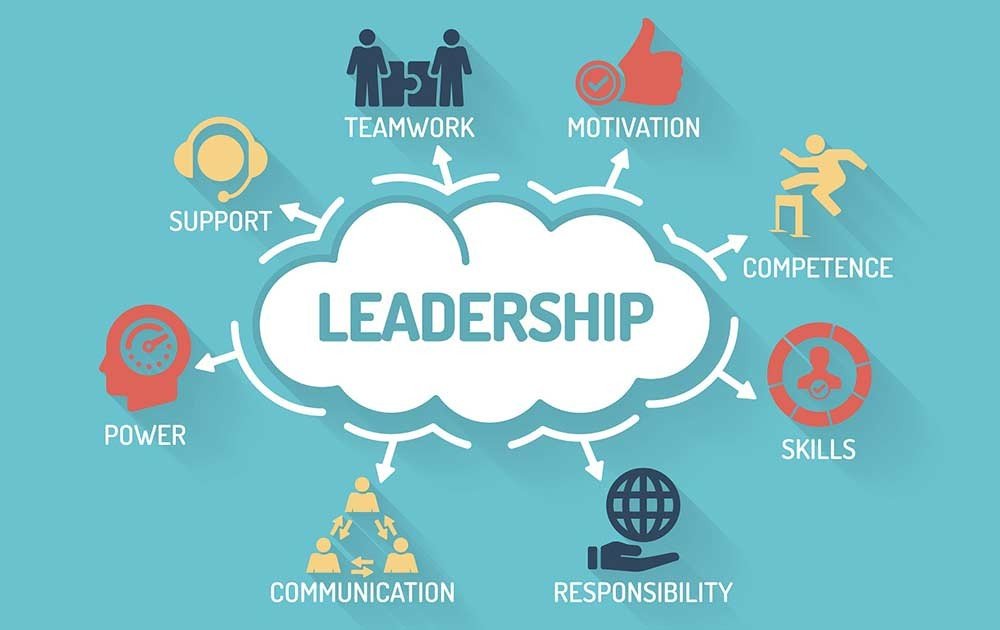
Strong leadership is one of the most important factors behind a successful organization. An effective team leader does more than assign tasks and monitor deadlines. Great leaders establish trust, communicate clearly, set meaningful expectations, and create an environment where every team member understands their responsibilities. When accountability becomes part of the workplace culture, employees are more likely to take ownership of their work, solve problems proactively, and contribute to shared goals. The leadership approach associated with professionals such as Arif Bhalwani highlights the importance of combining people-focused leadership with strategic thinking and responsible decision-making.
Understanding What Effective Leadership Really Means
Being an effective team leader begins with understanding that leadership is not simply about authority. A title may give someone the ability to make decisions, but it does not automatically earn respect or commitment. Effective leadership is built through consistency, credibility, empathy, and communication.
A strong leader understands the strengths and development needs of individual team members. Rather than treating everyone identically, an effective leader recognizes that different employees may require different forms of support. Some people perform best with independence, while others benefit from regular guidance and feedback.
Leadership also requires a clear understanding of organizational objectives. Team members should know not only what they are expected to accomplish but also why their work matters. Connecting individual responsibilities to broader business goals helps employees understand their contribution and increases their sense of purpose.
Build Trust Through Consistent Communication
Trust is the foundation of accountability. Employees are more willing to accept responsibility when they believe their leader will communicate honestly, listen to concerns, and provide fair treatment.
Effective communication should work in both directions. Leaders need to communicate priorities, deadlines, standards, and expectations clearly, but they should also encourage employees to share ideas and concerns. Regular team meetings, individual conversations, and constructive feedback can prevent misunderstandings from becoming larger problems.
A good leader should also avoid withholding important information. When employees understand changes in priorities, business challenges, and organizational expectations, they can make better decisions. Transparency does not mean sharing every detail; it means providing the information people need to perform their responsibilities effectively.
Set Clear Expectations and Measurable Goals
Accountability becomes difficult when expectations are unclear. Employees cannot reasonably be held responsible for outcomes they do not understand.
Effective team leaders establish specific responsibilities for each person. Goals should be realistic, measurable, and connected to a defined timeline. Instead of saying that a project needs to be completed quickly, a leader can identify the expected deliverables, quality standards, and deadline.
Clear expectations also reduce duplication of effort. When everyone knows who is responsible for each task, team members can coordinate more efficiently and avoid assuming that someone else will handle an important responsibility.
Leaders should periodically review goals because circumstances can change. Accountability does not mean refusing to adjust expectations when legitimate business conditions change. It means maintaining clarity while adapting intelligently.
Lead by Example
One of the most powerful ways to create accountability is to demonstrate it personally. Employees notice whether leaders follow the standards they expect from others.
If a leader expects employees to meet deadlines, the leader should respect commitments as well. If punctuality, preparation, honesty, and professionalism are important, those behaviors should be visible in the leader’s own actions.
Leading by example creates credibility. When employees see their leader accepting responsibility for mistakes rather than blaming others, they are more likely to do the same. This creates an environment where problems can be addressed honestly instead of hidden.
The leadership principles often associated with business professionals such as Arif Bhalwani demonstrate why personal responsibility can be an important component of effective organizational leadership. Leaders influence workplace behavior not only through policies but also through their daily decisions and conduct.
Make Accountability a Shared Responsibility
Accountability should not become a system of constant supervision. Its purpose is to encourage ownership, not create fear.
A healthy accountability culture gives employees authority alongside responsibility. If someone is responsible for achieving an outcome but has no ability to make reasonable decisions, accountability becomes frustrating. Leaders should therefore provide the resources, information, and authority employees need to fulfill their roles.
Team members should also understand that accountability applies to everyone. Managers, executives, and employees should all be responsible for their commitments. A culture where senior people avoid responsibility while demanding it from others can quickly damage trust.
Shared accountability encourages collaboration. Employees become more willing to help colleagues because they understand that the team’s overall performance matters alongside individual results.
Provide Constructive Feedback
Feedback is essential for maintaining accountability. However, effective feedback should focus on behavior, results, and improvement rather than personal criticism.
When performance falls below expectations, leaders should address the issue promptly. Waiting too long can allow small problems to become established patterns. A productive conversation can identify what happened, why it happened, and what should be done differently in the future.
Positive feedback is equally important. Recognizing employees who demonstrate ownership, reliability, creativity, or strong teamwork reinforces the behaviors that leaders want to see repeated.
Feedback should be specific. Instead of simply telling someone they performed well, a leader can explain which action produced a positive result. Specific recognition helps employees understand exactly what successful performance looks like.
Encourage Employees to Solve Problems
An accountable workplace encourages employees to think beyond their assigned tasks. When problems arise, leaders should avoid automatically providing every answer.
Instead, effective leaders can ask questions that encourage employees to analyze the situation and propose solutions. This develops critical-thinking skills and helps employees become more confident decision-makers.
Mistakes can also become learning opportunities. Not every failure is caused by negligence, and leaders should distinguish between honest mistakes, inadequate processes, and repeated failures to meet responsibilities. The goal should be to understand the underlying issue and improve future performance.
When employees know they can discuss problems without immediately facing blame, they are more likely to raise concerns early. Early communication can prevent minor issues from becoming expensive or disruptive problems.
Develop Future Leaders Within the Team
An effective team leader should think beyond immediate performance. Developing future leaders creates continuity and strengthens the organization over time.
Delegating meaningful responsibilities gives employees opportunities to build leadership skills. Leaders can assign employees ownership of projects, encourage them to lead meetings, or involve them in decision-making processes.
Mentoring is another valuable approach. Experienced leaders can share knowledge, explain how they approach difficult situations, and provide guidance while allowing developing professionals to make their own decisions.
A workplace that develops people creates a stronger talent pipeline. Employees who see opportunities for growth are also more likely to remain engaged and committed to the organization.
Create a Culture of Continuous Improvement
Accountability should ultimately contribute to improvement. Teams should regularly examine what is working, what is not working, and what can be changed.
Effective leaders encourage employees to suggest improvements to processes and workflows. Small changes can sometimes produce significant gains in productivity, communication, and customer satisfaction.
Continuous improvement also requires leaders to remain open to criticism. A leader who believes they always have the right answer can unintentionally discourage valuable ideas. Listening carefully to employees can reveal operational challenges that may not be visible from a management perspective.
Balance Accountability With Empathy
Accountability and empathy are not opposites. In fact, the strongest leaders understand how to balance both.
Employees have different circumstances, capabilities, and challenges. A leader should maintain professional standards while also considering the context behind performance issues. Empathy means listening and understanding; it does not mean eliminating expectations.
When employees know that their leader cares about their development and well-being while still maintaining clear standards, accountability becomes more constructive.
Conclusion
Becoming an effective team leader requires much more than managing tasks. It involves building trust, communicating expectations, leading by example, providing constructive feedback, encouraging ownership, and developing people for future responsibilities. A culture of accountability emerges when employees understand what is expected, have the resources to succeed, and feel responsible for the outcomes they help create.
Leadership approaches reflected in the work and professional perspective of Arif Bhalwani emphasize the broader connection between people, performance, and organizational growth. Ultimately, effective leaders create environments where accountability is not viewed as punishment but as a shared commitment to excellence. When trust and responsibility become everyday workplace values, teams can become more productive, resilient, collaborative, and prepared for long-term success.