
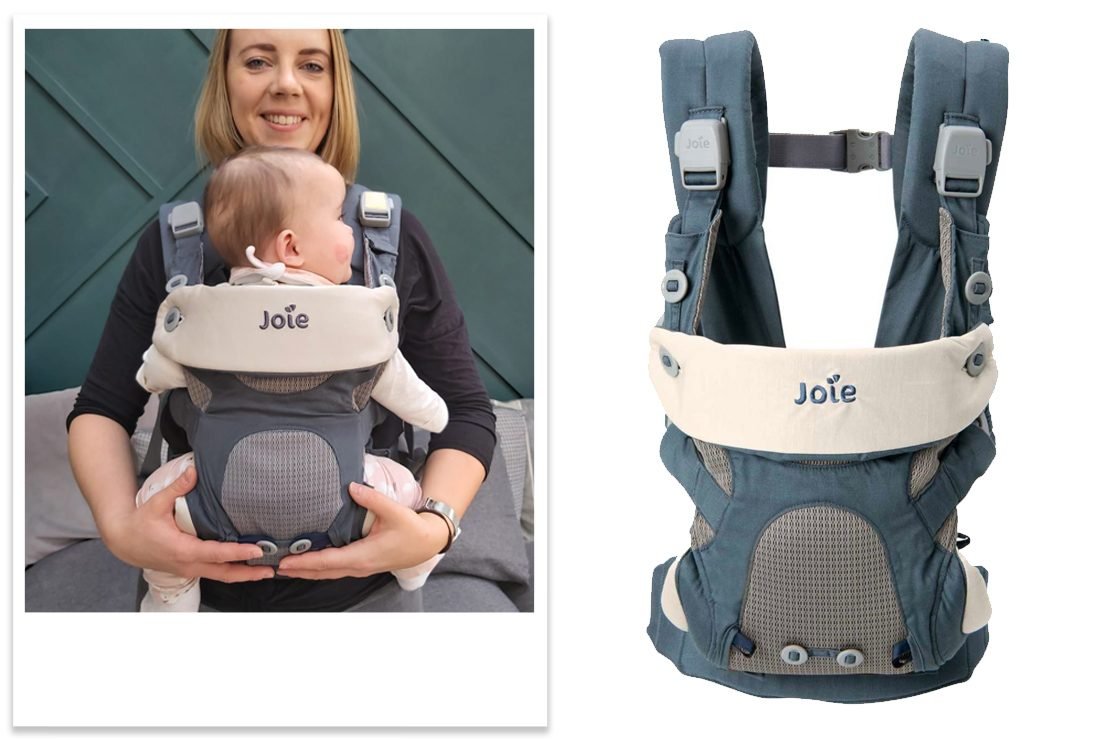
A baby carrier is more than just a convenient way to carry your child; it’s an essential tool that allows you to keep your baby close while keeping your hands free. Using the best baby carriers ensures comfort, safety, and durability, but maintaining them properly is crucial for their longevity and your baby’s hygiene. Whether you have a soft-structured carrier, a wrap, or a sling, knowing how to clean and care for it will keep it fresh, safe, and functional for years.
Understanding Your Baby Carrier
Before diving into cleaning methods, it’s important to understand the type of carrier you own. The best baby carriers come in several styles, each with its own cleaning requirements. Soft-structured carriers are often made of durable fabrics with buckles and padding that require careful spot cleaning and occasional machine washing. Wraps, made of woven or stretchy fabrics, usually need gentle handling and air drying. Slings, which may have rings or more delicate fabric, need specific care to prevent damage or stretching.
Reading the manufacturer’s instructions is the first step in maintaining your baby carrier. Many brands offer guidance on washing temperature, recommended detergents, and whether parts can be machine washed or need hand cleaning. Ignoring these instructions can damage fabric integrity or reduce the safety of the carrier.
Daily Maintenance Tips
Regular maintenance goes a long way in keeping your carrier clean. Start by inspecting your carrier after every use for spills, crumbs, or stains. Wiping down straps, buckles, and padded areas with a damp cloth can prevent dirt from settling in. If your baby has recently spit up or had a diaper leak, it’s important to address it immediately to avoid stains and odors.
For carriers with removable covers, washing the cover separately helps maintain the main structure. Using mild detergents without harsh chemicals is advisable since strong detergents can degrade fabric and irritate sensitive baby skin. Regularly checking buckles, snaps, and seams for wear ensures that your best baby carriers remain safe and reliable.
Deep Cleaning Your Carrier
Even with daily maintenance, occasional deep cleaning is necessary. For machine-washable carriers, place the carrier in a laundry bag or pillowcase to protect buckles and fabric. Use a gentle cycle with cold water and mild detergent. Avoid bleach, fabric softeners, or harsh chemicals as they can weaken fabric fibers and affect the color and texture.
For carriers that aren’t machine washable, hand washing is recommended. Fill a basin with lukewarm water and a mild detergent. Submerge the carrier and gently scrub any stained areas with a soft brush or cloth. Rinse thoroughly to remove all detergent residue, then gently squeeze out excess water without wringing or twisting the fabric, which could damage the carrier’s structure.
After washing, air drying is the safest method. Lay the carrier flat on a clean surface or hang it to dry away from direct sunlight to prevent fading. Avoid using a dryer unless the manufacturer explicitly allows it, as high heat can shrink fabrics and warp padding or buckles.
Handling Stains and Odors
Babies are naturally messy, and stains are inevitable. Treat stains promptly by blotting with a damp cloth. For tougher stains, use a small amount of mild soap mixed with water. Avoid scrubbing too hard, especially on delicate fabrics, as this may weaken fibers.
Odors can also accumulate from sweat, spills, or prolonged use. To freshen your carrier, sprinkle baking soda on the fabric and let it sit for 15–20 minutes before brushing it off. Some parents also use a small amount of vinegar diluted with water as a natural deodorizer. Always test any cleaning solution on a small, inconspicuous area first to ensure it doesn’t damage the fabric.
Storing Your Baby Carrier
Proper storage extends the life of your carrier. When not in use, keep it in a cool, dry place. Avoid damp areas or direct sunlight, which can cause mold, mildew, or fading. For carriers with straps or buckles, ensure they are neatly arranged to prevent tangling or bending. Some parents prefer storing carriers in breathable bags to protect them from dust while allowing air circulation.
Regularly inspect your carrier during storage for signs of wear, loose threads, or damage. Addressing small issues early, like tightening loose stitching or cleaning minor stains, prevents bigger problems over time and keeps your best baby carriers in top condition.
Safety Considerations
Maintaining a clean carrier is not just about aesthetics; it’s about safety. Dirt, worn fabric, or malfunctioning buckles can compromise the security of your baby. Avoid using carriers with torn seams, weakened straps, or broken hardware. Always follow manufacturer guidelines for weight limits and ensure that cleaning methods do not interfere with safety features.
Using proper cleaning and maintenance routines ensures that your baby carrier remains a safe and hygienic tool for carrying your child. Regular checks, timely cleaning, and mindful storage all contribute to a longer-lasting, reliable carrier that continues to provide comfort for both you and your baby.
Choosing the Right Detergent and Tools
When maintaining your carrier, the choice of cleaning products is important. Use gentle, fragrance-free detergents suitable for baby fabrics. Avoid harsh chemicals, bleach, or fabric softeners as they can irritate your baby’s skin and degrade carrier materials. A soft brush or sponge is ideal for scrubbing stains without damaging the fabric.
Having the right tools on hand makes maintenance easier. A damp cloth for daily wipe-downs, a small laundry bag for machine washes, and a soft brush for tough stains are essential for keeping your best baby carriers in pristine condition.
Tips for Longevity
To ensure your baby carrier lasts as long as possible, rotate carriers if you own more than one. This reduces wear and tear on any single carrier. Avoid overloading your carrier beyond the recommended weight, as this can stretch fabric and strain buckles. Treat your carrier gently during cleaning, folding, and storage, and follow manufacturer instructions for every wash.
Keeping your carrier clean also contributes to your baby’s comfort. Babies are sensitive to dirt, allergens, and odors, so a fresh, well-maintained carrier helps them feel cozy and secure during use.
Conclusion
Cleaning and maintaining your baby carrier effectively is key to ensuring both safety and longevity. From understanding your carrier type and following manufacturer instructions to daily maintenance, deep cleaning, and proper storage, every step counts. By investing time and care in your best baby carriers, you protect your child’s well-being, keep your carrier looking new, and enjoy the convenience and comfort that a well-maintained carrier provides.
A clean and well-maintained carrier is more than a tool; it’s a part of your parenting journey that keeps your baby close, safe, and comfortable every day. With the right practices, your carrier will remain a reliable companion through every stage of your child’s early years.