
Introduction
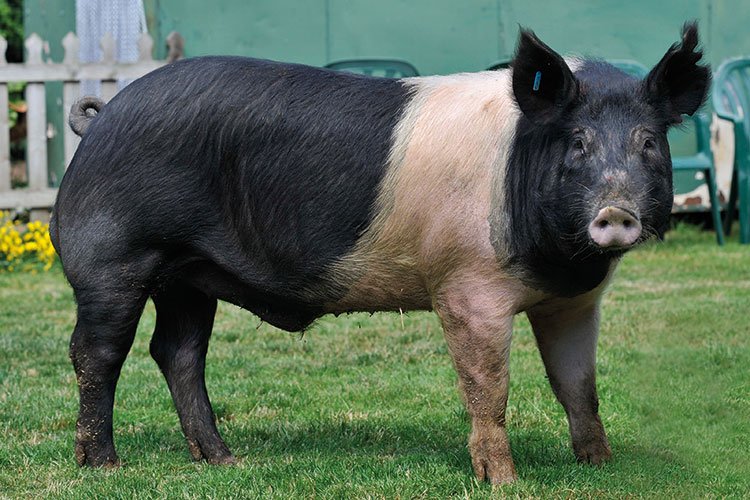
The Hampshire pig has earned a strong reputation among farmers for its efficiency, adaptability, and high-quality meat production. As sustainable farming practices continue to gain importance, choosing the right breed becomes essential for long-term success. The Hampshire pig stands out as a reliable option for farmers who want to balance profitability with environmentally friendly practices. Known for its distinctive black body with a white belt around the shoulders, this breed offers both visual appeal and economic value.
Origin and Characteristics of Hampshire Pig
The Hampshire pig originated in England and was later developed extensively in the United States. Over time, it has become one of the most popular pig breeds worldwide due to its excellent production traits.
Physically, the Hampshire pig is easily recognizable by its muscular build, erect ears, and unique color pattern. These pigs are medium to large in size and are known for their lean meat production. Unlike some other breeds, they have a high ratio of muscle to fat, making them especially desirable in modern markets where lean meat is preferred.
Another key characteristic of the Hampshire pig is its strong legs and sound structure, which allow it to thrive in various farming environments, including pasture-based systems.
Why Hampshire Pig is Ideal for Sustainable Farming
Sustainable farming focuses on minimizing environmental impact while maintaining productivity. The Hampshire pig fits perfectly into this model due to several reasons.
First, the Hampshire pig is highly efficient in feed conversion. This means it requires less feed to gain weight compared to many other breeds. Lower feed consumption not only reduces costs but also minimizes resource usage, making farming more sustainable.
Second, this breed adapts well to different climates and housing systems. Whether raised in open pastures or controlled environments, the Hampshire pig performs consistently. Its adaptability reduces the need for intensive infrastructure, which aligns with sustainable farming goals.
Third, the Hampshire pig is known for its resilience and disease resistance. Healthier animals require fewer medical interventions, reducing the use of antibiotics and contributing to safer and more natural farming practices.
Meat Quality and Market Demand
One of the biggest advantages of raising a Hampshire pig is the superior quality of its meat. The pork produced is lean, firm, and flavorful, making it highly sought after in both local and international markets.
Consumers today are becoming more health-conscious, and lean meat options are in high demand. The Hampshire pig meets this demand perfectly. Its meat contains less fat while maintaining excellent taste and texture.
Additionally, the consistent quality of Hampshire pork allows farmers to build strong relationships with buyers, including restaurants, butchers, and supermarkets. This steady demand ensures reliable income and reduces market risks.
Growth Rate and Productivity
The Hampshire pig is known for its fast growth rate and efficient weight gain. Farmers can raise these pigs to market weight in a relatively short period, which increases turnover and profitability.
Sows of the Hampshire pig breed are also good mothers, with decent litter sizes and strong maternal instincts. This ensures higher survival rates of piglets, contributing to overall productivity.
Because of their rapid growth and efficient reproduction, Hampshire pigs allow farmers to scale their operations more effectively without significantly increasing costs.
Feeding and Management
Managing a Hampshire pig is relatively straightforward, making it suitable for both experienced farmers and beginners. These pigs can thrive on a variety of feeding systems, including commercial feed, agricultural by-products, and forage-based diets.
For sustainable pig farming, many farmers integrate natural feeding practices such as using crop residues and kitchen waste. The Hampshire pig adapts well to these systems, helping reduce feed expenses while promoting recycling of resources.
Proper management includes maintaining clean housing, providing adequate space, and ensuring access to fresh water. Regular monitoring of health and growth ensures that the pigs remain productive and healthy.
Environmental Benefits
Raising the Hampshire pig contributes positively to the environment when managed properly. Since these pigs can be raised on pasture, they help in natural fertilization of the soil through their manure.
This reduces the need for chemical fertilizers and supports organic farming practices. Additionally, their ability to utilize diverse feed sources helps minimize food waste, making the entire farming system more efficient.
By integrating Hampshire pig farming with crop production, farmers can create a balanced ecosystem where waste from one system becomes input for another.
Challenges and Considerations
While the Hampshire pig offers many benefits, farmers should also be aware of potential challenges. Like all livestock, these pigs require proper care, nutrition, and disease management.
One challenge is maintaining balanced nutrition to ensure optimal growth. Although they are efficient feeders, poor-quality diets can affect their performance.
Another consideration is market access. Farmers must ensure they have reliable buyers for their pork to maximize profits. Building strong connections with local markets can help overcome this challenge.
Finally, proper breeding management is essential to maintain the quality and productivity of the Hampshire pig. Selecting healthy and high-performing breeding stock is key to long-term success.
Profitability of Hampshire Pig Farming
The Hampshire pig is widely considered a profitable choice for pig farming due to its combination of fast growth, high-quality meat, and efficient feed conversion.
Lower production costs, combined with strong market demand, result in higher profit margins. Additionally, the breed’s adaptability reduces the need for expensive infrastructure and intensive management.
Farmers who adopt sustainable practices can further enhance profitability by reducing input costs and accessing premium markets that value ethically produced pork.
Tips for Successful Hampshire Pig Farming
To make the most of raising a Hampshire pig, farmers should focus on a few key strategies. Providing a balanced diet, maintaining proper hygiene, and ensuring adequate housing are essential.
Regular health checks and vaccinations help prevent diseases and maintain productivity. Farmers should also keep detailed records of growth, breeding, and expenses to make informed decisions.
Investing in quality breeding stock and continuously improving management practices will ensure long-term success and sustainability.
Conclusion
The Hampshire pig is an excellent choice for farmers looking to combine profitability with sustainable practices. Its adaptability, efficient growth, and high-quality meat make it a valuable asset in modern pig farming.
As the demand for sustainable and healthy food continues to rise, the Hampshire pig offers a reliable solution for farmers aiming to meet these expectations. With proper management and a focus on sustainability, raising Hampshire pigs can lead to a successful and rewarding farming venture.