
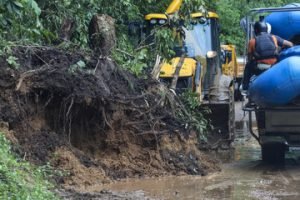
Experiencing a disaster in your home can be overwhelming, stressful, and sometimes dangerous. Whether it’s due to flooding, fire, or severe storms, understanding the essentials of disaster cleanup can make the recovery process smoother and more effective. Homeowners who are prepared with knowledge and a plan are better equipped to protect their property, minimize damage, and restore normalcy quickly.
Assessing the Situation Safely
Before you begin any disaster cleanup, the first step is assessing the situation. Safety should always come first. Check for structural damage, exposed electrical wires, gas leaks, or other hazards. If any conditions are unsafe, evacuate immediately and call the proper authorities. Documenting the damage with photos or videos is also crucial for insurance claims. Having a clear understanding of the extent of the disaster will guide your cleanup efforts and help you prioritize what needs immediate attention.
Gathering Essential Supplies
Successful disaster cleanup requires the right tools and materials. At a minimum, homeowners should have heavy-duty gloves, protective eyewear, masks, sturdy boots, trash bags, cleaning solutions, and buckets. For flood-related disasters, water pumps, wet/dry vacuums, and dehumidifiers can be essential. Fire-related cleanup may require specialized soot and smoke removal products. Organizing your supplies in advance, or having a disaster kit ready, can save time and reduce stress when a disaster strikes.
Removing Water and Drying Affected Areas
One of the most common disaster scenarios is flooding, which makes water removal a top priority. Standing water can quickly cause structural damage, weaken floors, and encourage mold growth. Using pumps, mops, and wet/dry vacuums, homeowners should remove excess water as soon as possible. Once the water is cleared, drying the area thoroughly with fans, dehumidifiers, and open windows is crucial. A fast and thorough drying process can prevent long-term damage and reduce the need for costly repairs.
Proper Disposal of Damaged Items
During disaster cleanup, it’s important to separate what can be salvaged from what must be discarded. Items that have been heavily damaged by water, fire, or mold often cannot be safely restored. Dispose of ruined furniture, carpets, and personal belongings responsibly, following local regulations for hazardous or contaminated materials. Keeping a record of discarded items can also help with insurance claims and ensure nothing valuable is accidentally thrown away.
Cleaning and Sanitizing Affected Areas
After removing debris and damaged items, cleaning and sanitizing the affected areas is the next step. Floods, fires, and other disasters can leave behind bacteria, mold spores, and chemical residues. Use disinfectants and cleaners specifically designed for the type of damage you are addressing. Pay special attention to kitchens, bathrooms, and areas where children or pets frequent. Proper cleaning reduces health risks and prevents further deterioration of the property.
Addressing Mold and Mildew
Mold is a common concern after water-related disasters and can develop within 24-48 hours. During disaster cleanup, inspect hidden areas like under floors, behind walls, and inside cabinets. If mold is found, small patches can sometimes be removed with commercial mold removers, but widespread infestations may require professional intervention. Keeping the environment dry and ventilated helps prevent mold growth and protects both the home and its occupants.
Handling Electrical and Structural Issues
Disasters can compromise the electrical system and structural integrity of your home. Never attempt to use appliances or electrical outlets until they have been checked by a qualified electrician. Similarly, if walls, roofs, or floors show signs of severe damage, contact a professional contractor before attempting repairs yourself. Ensuring your home is structurally sound and electrically safe is a critical part of disaster cleanup that protects everyone in the household.
Working with Professional Restoration Services
While many cleanup tasks can be handled by homeowners, some situations require professional assistance. Disaster cleanup companies are equipped with specialized tools and expertise to handle extreme damage, including water extraction, mold remediation, smoke and soot removal, and structural repairs. Hiring professionals can save time, reduce risks, and ensure that your home is restored properly. Before choosing a service, verify their credentials, read reviews, and confirm insurance coverage.
Creating a Recovery Plan
Disaster cleanup is more effective when you have a structured plan. Start by prioritizing urgent repairs, removing hazards, and protecting salvageable property. Set realistic timelines and allocate tasks if multiple family members are involved. Keep all receipts, photos, and documentation for insurance purposes. A well-thought-out recovery plan reduces stress and helps you regain control after a chaotic event.
Preventive Measures for Future Disasters
Disaster cleanup isn’t just about addressing immediate damage; it’s also an opportunity to prepare for future events. Consider investing in flood barriers, fireproof materials, or reinforced roofing. Regularly inspect your home for vulnerabilities and maintain your emergency kits. Education on disaster preparedness, including knowing evacuation routes and emergency contacts, helps homeowners act quickly when the next disaster occurs.
Emotional and Mental Health Considerations
Experiencing a disaster can take a significant emotional toll. While focusing on physical cleanup is necessary, it’s equally important to address mental health. Stress, anxiety, and grief are normal reactions. Seek support from friends, family, or professional counselors if needed. Balancing emotional recovery with physical cleanup allows homeowners to make better decisions and rebuild their homes more effectively.
Insurance and Financial Recovery
Disaster cleanup often involves financial considerations. Contact your insurance provider as soon as possible to report damage and understand what is covered. Keep detailed records of all cleanup activities, repairs, and replaced items. Some costs may be reimbursable, and thorough documentation can streamline the claims process. Being proactive with your insurance company ensures you get the support you need to restore your home.
Conclusion
Disaster cleanup is a challenging but essential part of homeownership. By prioritizing safety, gathering the right supplies, and following systematic cleanup steps, homeowners can minimize damage and restore their property efficiently. Addressing water removal, mold prevention, structural repairs, and emotional recovery is crucial for a successful restoration. Professional services can provide invaluable support for extreme cases, and preventive measures can safeguard against future disasters. Staying informed, prepared, and proactive ensures that homeowners can navigate the aftermath of any disaster with confidence and resilience, protecting both their homes and their families.
This comprehensive approach to disaster cleanup empowers homeowners to tackle emergencies effectively, restoring not only their property but also a sense of security and normalcy.