
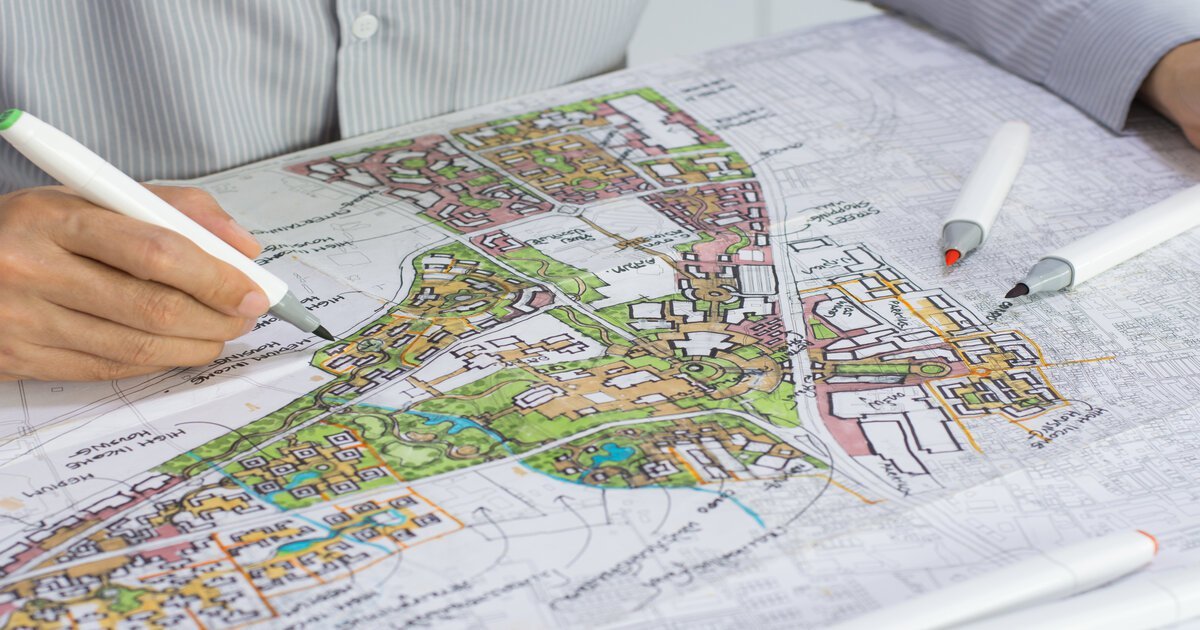
Urban planning and design play a crucial role in shaping the way people live, work, and interact in cities. By studying the approaches of global cities, architects, planners, and homeowners can gain valuable insights that influence not just large-scale urban projects but also personal choices, such as designing functional and aesthetically pleasing house plans. This article explores key lessons from cities around the world and how these ideas can be translated into both community and private residential development.
Learning from Walkable Cities
Cities like Copenhagen and Amsterdam have prioritized walkability and human-scale urban design. Their streets are designed for pedestrians and cyclists, with limited reliance on cars. This principle of prioritizing people over vehicles can be applied to house plans as well. For example, designing homes with easy access to communal spaces, gardens, or small pathways encourages social interaction and healthier lifestyles. Even in private residential settings, planning layouts that minimize unnecessary barriers or long corridors improves functionality and promotes a sense of openness.
Mixed-Use Development as a Model
In cities like Tokyo and New York, mixed-use neighborhoods combine residential, commercial, and recreational spaces. These areas support diverse activities within walking distance, reducing the need for long commutes and fostering vibrant community life. When designing house plans, architects can borrow from this concept by integrating multifunctional spaces. For instance, open-plan living areas that combine kitchens, dining, and workspaces reflect the flexibility seen in urban mixed-use areas. Homeowners can also consider adding home offices, small studio spaces, or integrated outdoor patios that serve multiple functions.
Green Spaces and Sustainable Design
The emphasis on sustainability is evident in cities like Singapore, which integrates greenery extensively throughout urban areas. Rooftop gardens, vertical forests, and public parks contribute to environmental quality and improve residents’ well-being. Translating this into house plans, including green spaces is vital. Simple additions like small courtyards, rooftop gardens, or even green walls can enhance air quality, provide natural insulation, and create calming environments. Incorporating sustainable design elements such as solar panels, rainwater harvesting, and energy-efficient materials also reflects urban strategies that promote ecological responsibility.
Efficient Public Transit Systems
Global cities such as Paris and Seoul are known for efficient and well-integrated public transit. Easy access to metros, buses, and railways reduces car dependency and promotes economic activity. While house plans are focused on individual dwellings, location and connectivity remain key. Home designs can include practical considerations for commuting, such as dedicated entryways for bicycles, proximity to public transport, or smart storage solutions that accommodate residents’ daily routines. Planning homes with access to local amenities also mirrors urban strategies that reduce travel time and enhance convenience.
Cultural Sensitivity in Design
Cities like Barcelona and Marrakech demonstrate how integrating cultural heritage into urban design preserves identity and enriches communities. In residential house plans, cultural elements can be expressed through architectural details, materials, and spatial organization. For example, traditional courtyard houses can inspire modern home layouts, combining private spaces with communal areas for family gatherings. Adapting global design motifs with local needs fosters a unique aesthetic while respecting historical context.
Resilient and Adaptive Urban Design
Natural disasters and climate change challenges have led cities like Tokyo and Rotterdam to adopt resilient urban planning strategies. Flood management, earthquake-resistant structures, and flexible land use are prioritized. Homeowners and architects can reflect these lessons in house plans by designing adaptable and safe homes. Elevated foundations, reinforced materials, and flexible floor plans allow residences to withstand changing environmental conditions while maintaining functionality. Resilience in design also ensures long-term value and reduces the risk of damage.
Encouraging Community Interaction
Urban spaces in cities such as Melbourne and Vancouver emphasize social interaction through parks, plazas, and shared amenities. Applying this to house plans, communal areas within residential complexes, shared courtyards, or open living rooms can strengthen family bonds and neighborly relationships. Thoughtful placement of windows, porches, and entryways can create a sense of connection between indoor and outdoor spaces, promoting community cohesion even in private residences.
Leveraging Technology and Smart Design
Smart cities like Singapore and Dubai integrate technology for efficient resource use, mobility, and citizen services. In house plans, smart home technology can enhance energy management, security, and convenience. Integrating sensors for lighting, climate control, and water usage makes homes more sustainable and aligned with modern urban trends. Technology also enables modular and customizable spaces, echoing urban design’s adaptability to residents’ evolving needs.
Lessons for Future Urban Living
Studying global cities provides a blueprint for designing homes that balance aesthetics, function, sustainability, and community. House plans inspired by international urban strategies encourage efficiency, environmental responsibility, and social connectivity. As cities continue to grow, adopting these lessons ensures that residential spaces contribute positively to both individuals and their broader communities.
Conclusion
Urban planning and design offer a wealth of insights that extend beyond city streets and public spaces. From walkability and mixed-use integration to sustainable green design and smart technology, global cities provide valuable lessons for homeowners, architects, and planners. Incorporating these principles into house plans allows for homes that are not only practical and beautiful but also resilient, socially engaging, and environmentally conscious. By learning from cities around the world, we can shape residential environments that truly enhance the quality of life for their inhabitants, blending global innovation with local needs.