
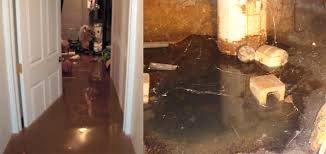
Flooding in the basement can be one of the most stressful and damaging situations a homeowner can face. Whether it’s caused by heavy rain, a burst pipe, or sewage backups, acting quickly is essential to minimize damage and prevent long-term problems such as mold, structural damage, and health hazards. Effective basement flood cleanup requires planning, the right tools, and a step-by-step approach to ensure safety and efficiency.
Assessing the Situation Safely
Before diving into cleanup, it’s important to evaluate the extent of the flooding. Turn off the electricity to the basement to prevent electrocution, especially if water levels are high. Wear protective gear, including gloves, boots, and masks, to reduce exposure to contaminants, especially in cases of sewage or dirty water. Identify the source of the flood to stop further water intrusion. Whether it’s a leaky pipe, foundation seepage, or external flooding, addressing the root cause early can prevent additional damage during the cleanup process.
Removing Standing Water Quickly
Time is critical in basement flood cleanup. The longer water sits, the more damage it can cause to flooring, walls, and personal belongings. Use a submersible pump or wet/dry vacuum to remove large volumes of water efficiently. Smaller amounts can be managed with buckets and mops. Ensure that water is safely directed away from the foundation to avoid further flooding. If the flooding is severe, contacting professional basement flood cleanup services is recommended to prevent additional structural damage and ensure thorough water removal.
Drying and Dehumidifying the Area
Once standing water is removed, drying the basement thoroughly is the next step. Open windows and doors if weather permits, and use fans to circulate air. Dehumidifiers are especially effective in removing moisture trapped in walls, floors, and furniture. Proper drying is critical to prevent mold growth, which can begin within 24 to 48 hours after a flood. Regularly monitor moisture levels, as damp spots hidden behind walls or under carpets can become long-term problems if not addressed during the cleanup process.
Cleaning and Disinfecting Surfaces
After water removal and drying, all affected surfaces should be cleaned and disinfected to prevent bacteria and mold. Use a solution of water and household disinfectant or a commercial cleaner designed for flood recovery. Pay special attention to areas that came into contact with contaminated water, such as baseboards, walls, and storage areas. For porous materials like carpets and upholstery, thorough cleaning may not be enough, and disposal might be the safest option. Maintaining hygiene during basement flood cleanup protects both your health and your property.
Protecting Your Belongings
Flooded basements often contain valuable items that can be damaged by water. Move salvaged belongings to a dry, safe area, and clean them as soon as possible. Paper items, books, and fabrics can be frozen to prevent further deterioration until they can be properly restored. Electronics should not be used until fully dried and tested by a professional. Proper handling and timely action can significantly reduce financial losses and preserve irreplaceable items during basement flood cleanup.
Inspecting for Structural Damage
Floodwaters can weaken the structure of your home. After cleanup, inspect walls, floors, and the foundation for cracks, warping, or other damage. Look for signs of mold or mildew in hidden areas like behind furniture or under flooring. If structural concerns arise, it’s important to contact a professional to evaluate and repair the damage to ensure the basement remains safe and stable. Early detection prevents small issues from becoming major repair expenses.
Preventing Future Flooding
Once the basement is clean and dry, implementing measures to prevent future flooding is critical. Consider installing sump pumps, improving drainage systems, sealing foundation cracks, and elevating appliances or storage areas. Regular maintenance of plumbing systems and gutters can also reduce the risk of water intrusion. Taking preventative steps ensures that your basement remains protected and reduces the likelihood of repeated basement flood cleanup in the future.
Knowing When to Call Professionals
While minor floods may be manageable for homeowners, significant flooding often requires professional assistance. Professional basement flood cleanup services have specialized equipment, experience, and training to handle both water removal and damage restoration effectively. They can also address hidden moisture issues, mold prevention, and structural repairs, which are essential for complete recovery. Consulting experts ensures that your basement is restored safely and efficiently, minimizing long-term damage.
Conclusion
Basement flooding can be overwhelming, but prompt and organized action can drastically reduce damage. Following these quick basement flood cleanup tips — assessing the situation safely, removing water, drying and dehumidifying, cleaning and disinfecting, protecting belongings, inspecting for structural damage, and taking preventative measures — ensures a faster recovery and a safer home environment. Remember, acting quickly and methodically is key to minimizing the costly and hazardous effects of basement flooding. Regular maintenance and preparation can further safeguard your home, reducing the risk of future water damage and the need for extensive basement flood cleanup.
By staying prepared, informed, and proactive, homeowners can handle basement floods effectively, ensuring their property and health are protected. Proper cleanup and prevention are the cornerstones of maintaining a safe, dry, and resilient basement space.