
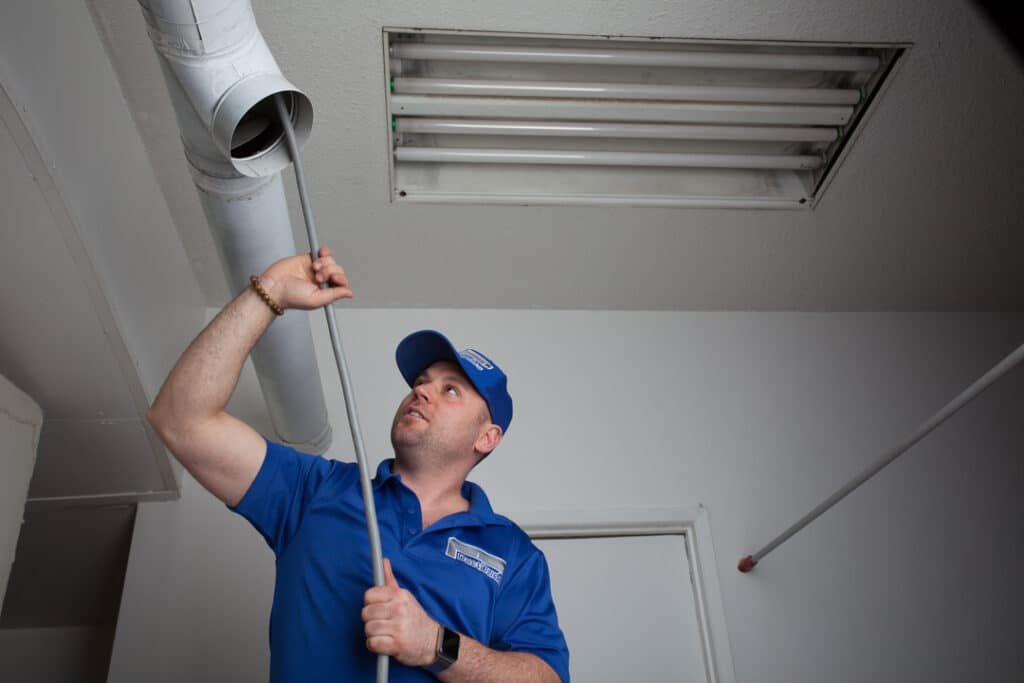
Older homes carry a charm and character that many homeowners appreciate, from intricate woodwork to unique architectural designs. However, they also present unique challenges when it comes to maintaining indoor air quality. One critical area that often goes overlooked is the air duct system. Over the years, dust, debris, mold, and even pests can accumulate in these ducts, affecting the air you breathe and the efficiency of your HVAC system. This is where professional air duct cleaning becomes essential. Understanding the importance, process, and benefits of air duct cleaning for older homes can help homeowners make informed decisions for a healthier living environment.
Why Older Homes Are Prone to Air Duct Issues
Older homes, typically those built 20 or more years ago, often have ductwork that has not been updated or maintained regularly. Over time, these ducts can develop leaks, corrosion, and blockages that reduce airflow and increase energy costs. Unlike modern homes with tightly sealed duct systems, older homes may have gaps where dust, dirt, and allergens enter. Additionally, materials used in older ducts, such as fiberglass or metal prone to rust, can deteriorate, leading to more debris circulating in the home. These factors make air duct cleaning especially important for older residences.
Another consideration is that older homes may have experienced multiple renovations, which can introduce construction debris into the ductwork. Even minor remodeling, like installing new flooring or updating plumbing, can result in dust settling deep inside air ducts. Without proper cleaning, these particles continue to circulate, compromising indoor air quality.
Signs Your Older Home Needs Air Duct Cleaning
Homeowners may not always realize that their air ducts need cleaning. However, certain indicators suggest it may be time for a professional service. One common sign is visible dust accumulation around vents or increased dust on surfaces despite regular cleaning. Musty or unusual odors coming from air vents, especially when the HVAC system is running, may indicate mold or mildew growth inside the ducts.
Other symptoms include uneven heating or cooling, frequent allergies, or respiratory issues among household members. In older homes, these problems can be exacerbated by duct leaks or blockages that force HVAC systems to work harder, leading to higher energy bills. Professional air duct cleaning addresses these issues by removing contaminants and restoring airflow.
The Air Duct Cleaning Process for Older Homes
Cleaning air ducts in an older home requires specialized tools and techniques to ensure thorough results without causing damage to the existing system. The process typically begins with an inspection, often using cameras or other diagnostic tools, to identify areas of concern such as heavy dust accumulation, mold growth, or structural issues.
Next, professionals use high-powered vacuums and brushes to dislodge and remove dirt and debris from duct interiors. HEPA-filter vacuums are commonly used to ensure that particles are trapped and not released back into the home. For homes with mold or bacterial growth, specialized cleaning agents may be applied to disinfect the ducts. In some cases, repair or sealing of ducts may be recommended to prevent future contamination.
The cleaning process also includes attention to components like air registers, grilles, and the HVAC unit itself, ensuring a comprehensive approach to improving air quality. By addressing the entire system, air duct cleaning for older homes provides long-term benefits beyond just removing dust.
Benefits of Air Duct Cleaning in Older Homes
- Improved Indoor Air Quality – Older homes often contain dust, pollen, and other allergens trapped in ductwork. Cleaning removes these particles, reducing the risk of respiratory issues and allergy flare-ups.
- Energy Efficiency – Dust and debris in ducts can restrict airflow, making your HVAC system work harder. Clean ducts improve airflow, reducing energy consumption and lowering utility bills.
- Extended HVAC Lifespan – A cleaner system experiences less wear and tear, potentially extending the life of your heating and cooling equipment.
- Reduced Odors – Mold, mildew, pet dander, and cooking residues trapped in ducts can cause unpleasant odors. Cleaning eliminates these sources, leaving your home smelling fresher.
- Prevention of Mold Growth – Moisture in older ductwork can lead to mold infestations. Professional cleaning and proper maintenance help prevent mold proliferation.
- Health Benefits – By reducing airborne contaminants, air duct cleaning can improve overall respiratory health for occupants, particularly those with asthma or allergies.
Choosing the Right Air Duct Cleaning Service
Not all duct cleaning services are created equal, especially when dealing with the complexities of older homes. It is essential to choose a reputable company with experience handling vintage or older duct systems. Look for certifications such as those from the National Air Duct Cleaners Association (NADCA) and read reviews or ask for references.
During consultations, ask about the cleaning methods used, the equipment, and whether the company addresses issues like mold or leaks. A reliable service provider will inspect the ducts before cleaning, provide a detailed estimate, and explain any additional repairs or maintenance needed. Investing in a professional service ensures that your older home’s ductwork is properly cleaned without causing damage to delicate or aging materials.
Maintenance Tips After Cleaning
After professional air duct cleaning, regular maintenance can prolong the benefits. Change HVAC filters according to manufacturer recommendations, usually every 1–3 months, and consider upgrading to high-efficiency filters for better particle capture. Ensure that ducts are sealed properly to prevent dust infiltration, and schedule inspections periodically to catch issues early.
Additionally, maintaining proper humidity levels in older homes helps prevent mold growth in ducts. Using dehumidifiers in damp areas or ventilating spaces effectively can reduce the likelihood of airborne contaminants returning.
Conclusion
Air duct cleaning is a vital aspect of home maintenance, particularly for older homes with aging or deteriorating ductwork. Beyond improving indoor air quality, it enhances HVAC efficiency, reduces odors, and contributes to the overall health and comfort of the household. Understanding the signs that indicate cleaning is needed, the professional process, and post-cleaning maintenance empowers homeowners to make informed decisions.