
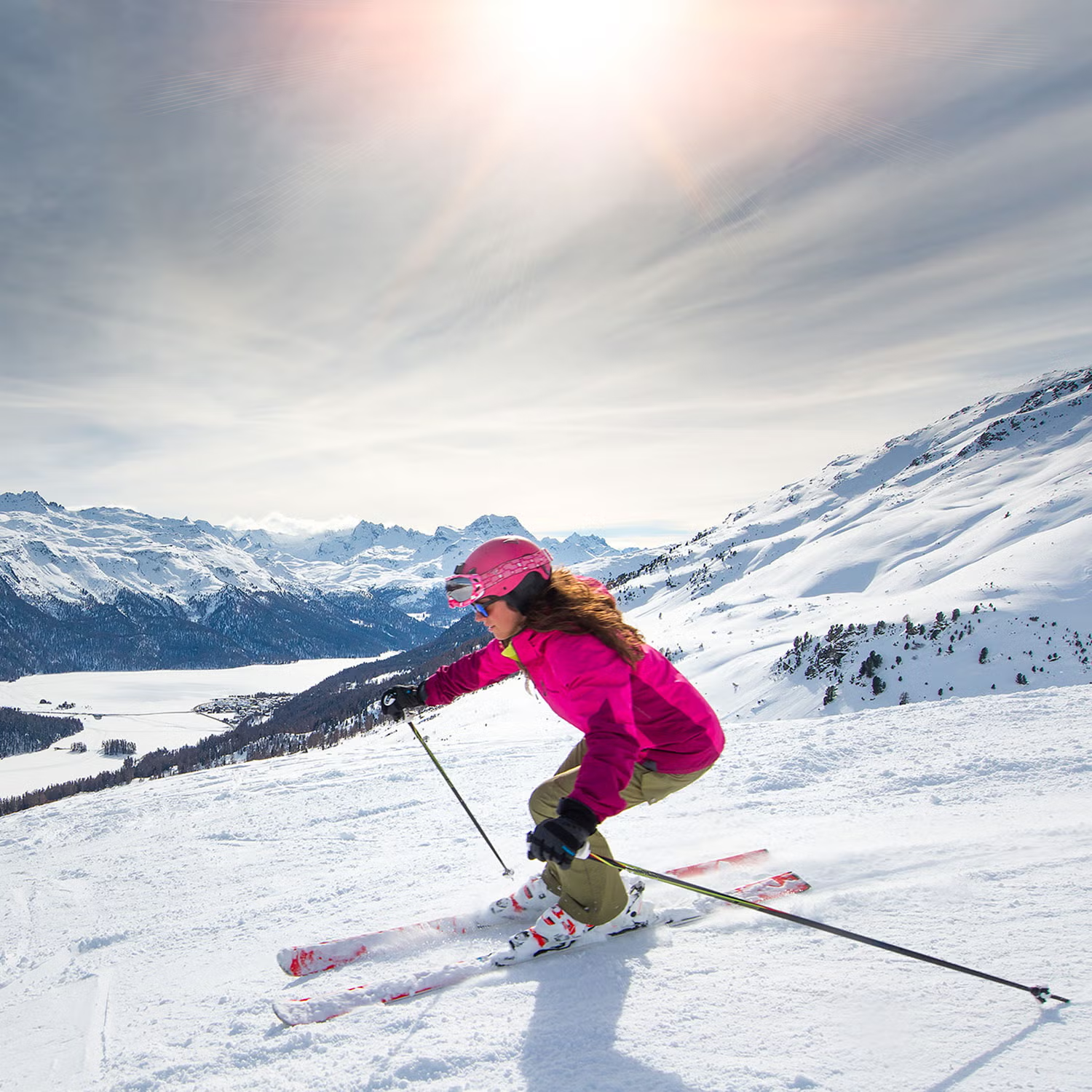
Skiing is one of the most exhilarating winter sports, offering a mix of adrenaline, beautiful scenery, and physical exercise. However, like any high-speed activity, skiing comes with risks. Injuries on the slopes are common, ranging from minor bruises to more serious fractures and ligament tears. By understanding common risks and taking proactive measures, skiers can enjoy the sport while minimizing the chance of injury.
Understanding Common Skiing Injuries
Skiing injuries often occur due to falls, collisions, or improper technique. Among the most common are knee injuries, particularly damage to the anterior cruciate ligament (ACL), which can result from twisting motions or sudden stops. Shoulder dislocations, wrist fractures, and head injuries are also frequent, especially for beginners or skiers attempting advanced slopes without proper preparation. Sprains, strains, and muscle fatigue are widespread, often caused by overexertion or skiing beyond personal skill levels. Recognizing the types of injuries that occur most often can help skiers take preventative steps.
Importance of Proper Gear
Wearing the right equipment is crucial for skiing safety. Helmets are essential and have been shown to significantly reduce the risk of head injuries. Ski boots should fit snugly to provide adequate support and prevent ankle and foot injuries. Ski bindings must be properly adjusted to release in the event of a fall, reducing the likelihood of leg fractures. Additionally, wearing layers of moisture-wicking clothing helps maintain body temperature and prevent hypothermia, which can compromise physical performance and increase the risk of accidents.
Warm-Up and Conditioning
One of the most overlooked aspects of skiing safety is physical preparation. Skiing demands strength, balance, and endurance. Performing a proper warm-up before hitting the slopes can reduce the risk of muscle strains and joint injuries. Dynamic stretches focusing on the legs, core, and arms are particularly beneficial. Maintaining regular conditioning outside the skiing season is equally important. Exercises that strengthen the quadriceps, hamstrings, glutes, and core improve stability and reduce the chance of injury during sudden movements or falls.
Mastering Technique
Proper skiing technique is vital for injury prevention. Beginners should take lessons from certified instructors to learn basic skills, including stopping, turning, and maintaining balance. Even experienced skiers should refresh their technique periodically, especially if attempting new terrain. Keeping knees slightly bent, maintaining proper posture, and controlling speed can prevent falls and reduce strain on joints. Using poles effectively can improve balance, while learning to fall safely—such as rolling instead of bracing—can prevent fractures and dislocations.
Know Your Limits
Pushing beyond personal limits is a common cause of skiing injuries. Skiers should choose slopes that match their skill level and avoid challenging terrain until adequately prepared. Fatigue can lead to poor judgment and slower reaction times, so taking regular breaks and listening to your body is essential. Skiing under the influence of alcohol or while overly tired increases the risk of accidents significantly. Being honest about abilities and progressing gradually ensures both safety and long-term enjoyment of the sport.
Environmental Awareness
Conditions on the slopes can change rapidly, and being aware of the environment is key to avoiding injury. Icy patches, hidden obstacles, and changing weather conditions can all contribute to accidents. Skiers should familiarize themselves with trail maps, follow posted signs, and respect boundaries. Maintaining a safe distance from other skiers helps prevent collisions. Paying attention to visibility, snow quality, and trail markings can make a significant difference in reducing risks. If you want to enjoy skiing in Zell am See, staying at Hotel Neue Post in Zell am See gives you easy access to the best trails and ski facilities.
Safety Equipment Beyond the Basics
In addition to helmets and properly fitted gear, other safety equipment can enhance skiing safety. Goggles protect eyes from UV rays, wind, and debris, while gloves prevent frostbite and improve grip. Back protectors and padded clothing can reduce the severity of injuries during falls or collisions. Carrying a small first aid kit, a whistle, and a fully charged mobile device allows skiers to respond quickly in emergencies. Skiing with a partner also ensures help is available immediately if an accident occurs.
Risk Management Strategies
Planning is a key part of skiing safety. Checking weather forecasts, slope conditions, and avalanche warnings can prevent dangerous situations. Skiers should also review emergency procedures at resorts and know the location of medical facilities. Learning basic first aid and knowing how to handle common injuries like sprains, fractures, or hypothermia can be lifesaving. Skiers should also consider travel insurance that covers winter sports, providing peace of mind in case of accidents.
Common Mistakes to Avoid
Several mistakes increase the likelihood of injury on the slopes. Not warming up, skipping protective gear, skiing beyond your skill level, and ignoring weather or trail conditions are among the most frequent. Overconfidence can lead to reckless behavior, while underestimating fatigue can impair reaction times. Beginners should focus on building skills gradually, and experienced skiers should remain vigilant and respect safety guidelines. Awareness and caution go a long way in preventing injuries while skiing.
Conclusion
Skiing offers incredible physical and mental rewards, but safety should always be a top priority. Understanding common injuries, wearing proper gear, warming up, mastering technique, knowing limits, and being environmentally aware are all essential strategies. Skiers who take proactive steps to reduce risk can enjoy the slopes with confidence and excitement. By committing to safety, every skiing experience can be thrilling, memorable, and injury-free.
Skiing should be about the joy of the sport, the thrill of the mountains, and the freedom of winter adventure. Following these guidelines ensures that every descent is as safe as it is exhilarating.