
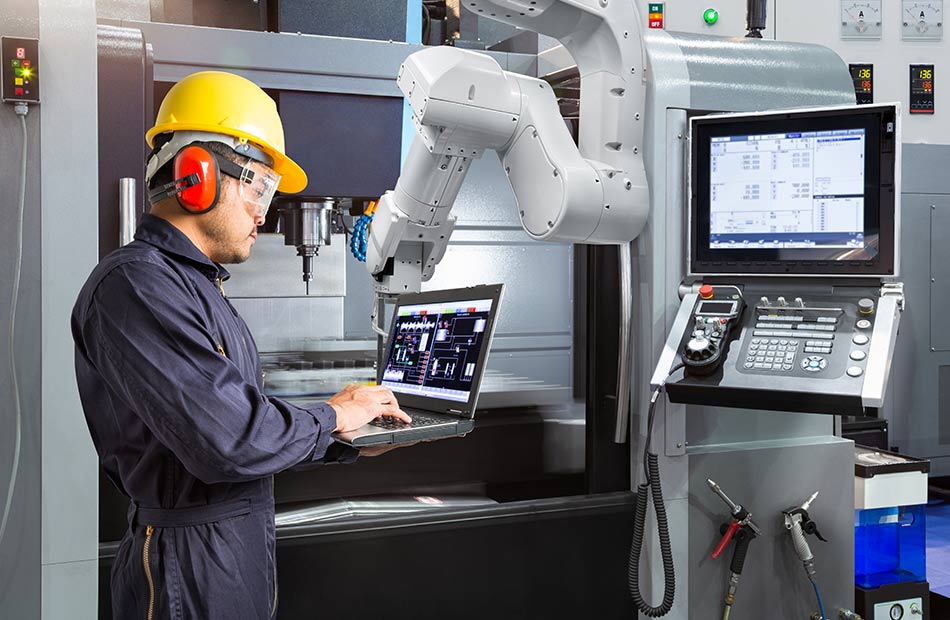
CNC precision machining has transformed the manufacturing industry, offering unmatched accuracy, efficiency, and consistency in producing parts. However, even with advanced technology, mistakes can still occur, leading to wasted materials, increased costs, and delays in production. Understanding the common pitfalls in CNC precision machining and implementing strategies to avoid them is essential for maintaining high-quality output.
Lack of Proper Machine Calibration
One of the most frequent mistakes in CNC precision machining is improper calibration of machines. Even minor misalignments can result in parts that do not meet specifications. Over time, machines can drift from their original settings due to wear and tear, environmental factors, or improper handling.
To avoid this, regular calibration routines must be established. Utilize precision measuring tools to check machine alignment and ensure all axes are accurately set. Scheduling routine maintenance and calibration checks can significantly reduce errors and maintain consistent production quality.
Inadequate Tool Selection
Using the wrong cutting tools or materials can compromise the machining process. Each material type and part design requires specific tools, speeds, and feeds. Using an inappropriate tool can cause excessive wear, poor surface finish, and even tool breakage.
Operators should carefully review the material specifications and machining requirements before selecting tools. Investing in high-quality tools and updating tooling inventory regularly ensures that the CNC precision machining process is optimized for both efficiency and precision.
Ignoring Workpiece Setup
A common source of error is improper workpiece setup. Misaligned workpieces can lead to inaccurate cuts, defective parts, and increased scrap rates. Even slight deviations can accumulate over multiple operations, resulting in significant errors.
Proper fixturing and alignment are critical. Use precision clamps, jigs, and fixtures to secure the workpiece. Verify alignment using measurement tools before starting the machining operation. Taking the time to ensure a correct setup can save both time and resources in the long run.
Overlooking Program Verification
CNC machines operate based on programmed instructions, and errors in programming can cause defective parts or even machine damage. Common programming mistakes include incorrect tool paths, wrong feed rates, and missing operations.
To prevent this, thoroughly review and simulate programs before executing them. Many CNC machines come with simulation software that allows operators to detect potential collisions or errors in the toolpath. This step ensures that the CNC precision machining process runs smoothly and efficiently.
Neglecting Maintenance
Regular maintenance is crucial for sustaining the accuracy and longevity of CNC machines. Neglecting maintenance can result in mechanical failures, unexpected downtime, and compromised part quality. Components such as bearings, spindles, and guides can wear out, leading to vibrations and inaccuracies.
Implement a maintenance schedule that includes cleaning, lubrication, and inspection of critical components. Monitoring machine performance and addressing minor issues before they escalate can significantly improve reliability and precision.
Inconsistent Material Quality
Using inconsistent or substandard materials can affect the outcome of CNC precision machining. Variations in material hardness, thickness, or composition can lead to unpredictable machining results, including tool wear and dimensional errors.
To mitigate this, source materials from reputable suppliers and perform quality checks before machining. Documenting material properties and maintaining consistency across batches helps ensure predictable and accurate machining results.
Failing to Monitor Cutting Parameters
Improper cutting parameters such as speed, feed rate, and depth of cut can reduce machining efficiency and affect part quality. Excessive speed may cause overheating or tool wear, while too slow a feed rate can result in poor surface finish and reduced productivity.
Operators should follow manufacturer guidelines for optimal cutting parameters and adjust them based on material type, tool condition, and machine capability. Regularly monitoring and fine-tuning these parameters ensures the CNC precision machining process remains efficient and produces high-quality parts.
Insufficient Operator Training
Even with advanced technology, human error remains a significant factor in CNC precision machining mistakes. Operators who are not properly trained may struggle with machine setup, programming, tool changes, or troubleshooting, leading to defects and downtime.
Investing in comprehensive training programs for operators is essential. Training should cover machine operation, safety protocols, program editing, and quality control techniques. Skilled operators are more capable of identifying potential issues and taking corrective action before problems escalate.
Ignoring Quality Control
Failing to implement consistent quality control can result in defective parts reaching the next stage of production or the customer. Without frequent inspections, small errors can go unnoticed, causing costly rework or scrap.
Establish robust quality control measures, including in-process inspections, final part verification, and documentation of measurements. Using tools such as coordinate measuring machines (CMM) or digital calipers can help ensure that all parts meet strict tolerances.
Overlooking Environmental Factors
Temperature, humidity, and cleanliness can significantly impact CNC precision machining. Thermal expansion can affect machine accuracy, while dust and debris can interfere with cutting tools and moving parts.
Maintain a controlled environment for CNC operations. Temperature regulation, proper ventilation, and clean workspaces reduce the risk of environmental factors affecting machine performance and part accuracy.
Conclusion
CNC precision machining offers remarkable advantages in modern manufacturing, but avoiding common mistakes is essential to fully harness its potential. Proper machine calibration, careful tool selection, accurate workpiece setup, program verification, and regular maintenance are all crucial elements for success. Additionally, ensuring consistent material quality, monitoring cutting parameters, training operators, implementing quality control, and maintaining an appropriate environment are key practices to minimize errors.
By addressing these common pitfalls, manufacturers can maximize the efficiency, accuracy, and reliability of their CNC precision machining operations, ultimately leading to higher-quality products and reduced production costs. Effective planning, attention to detail, and commitment to best practices transform CNC precision machining from a complex process into a precise, repeatable, and highly productive manufacturing solution.