
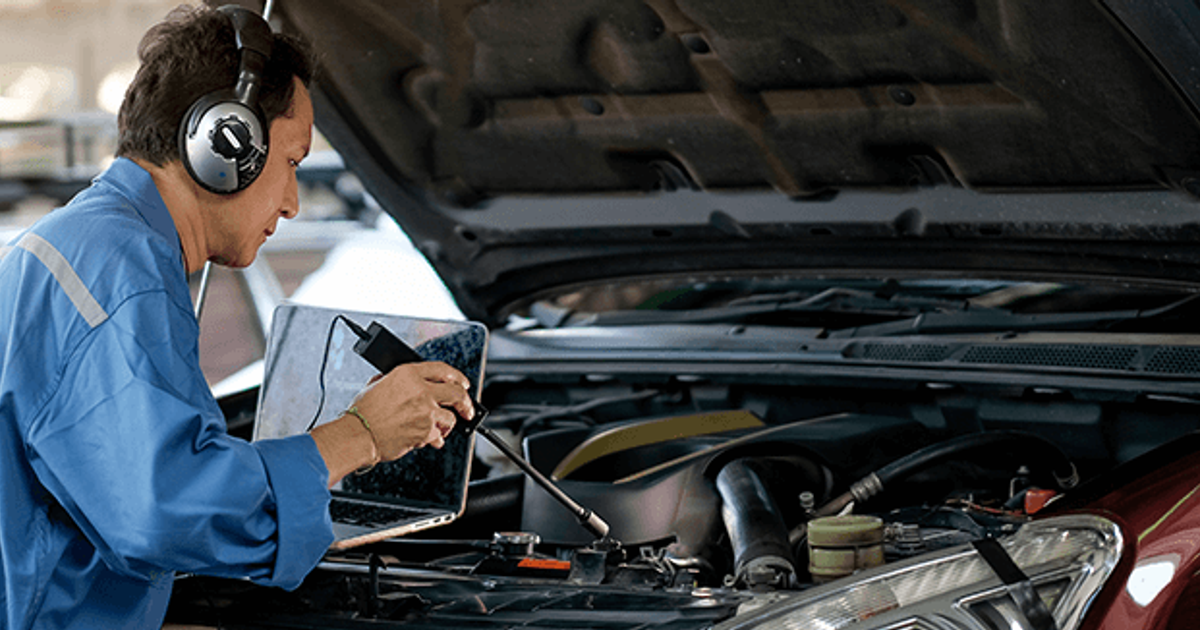
Every car has a story. Some have traveled hundreds of thousands of miles, hauling families, goods, and memories. Eventually, time catches up, and mechanical failure or accidents may send a vehicle to its final stop—a junkyard. But for many cars, that’s not truly the end. In junkyards across the world, countless used automobile engines and car parts lie in wait to be rediscovered, reused, and reborn into something functional again.
Recycling vehicles for their parts and reusing has gained a new dimension beyond just cost-effectiveness; it’s part of a larger trend toward sustainability, creativity, and practicality in repairing cars. Whether you are a professional mechanic, an enthusiast of classic car restoration, or simply trying to get your vehicle running on shoestring finances, investigating junkyard car parts and second-hand automobile engines can be a pretty rewarding experience.
Why Used Auto Engines Are Worth Considering
When an automobile engine dies, most car owners immediately assume a replacement with an entirely new engine or another car is in order. However, a used automobile engine can be a wise and reasonable alternative.
1. Affordable without Compromise
New engines are not only highly expensive in terms of their parts but also in terms of labor and installation costs. A used engine, often pulled from a vehicle that was totaled due to non-engine damage, can cost a fraction of the price of a new one. Since engines are built to last for hundreds of thousands of miles with proper maintenance, a used one with lower mileage can still provide excellent performance and reliability.
2. Quality and Reliability
First of all, most people seem to think that the term “used” means “worn out.” Many junkyards and automotive recyclers carefully inspect, test, and grade engines before reselling them. Some are even refurbished or reconditioned, meaning they are cleaned, tested, and repaired to meet industry standards. Buying from a reputable source can yield an engine that runs nearly as well as new.
3. Eco-Friendly Choice
Buying a secondhand engine reduces demand for new manufacturing. Manufacturing a new engine requires ample raw materials, extensive energy, and industrial processes that emit a great deal of carbon. Reusing existing parts minimizes environmental degradation and helps mitigate landfill waste. It might be a small step towards a more sustainable automotive ecosystem, but it counts.
4. Availability for Older Models
As time goes on, cars find their specific parts either increasingly hard to source or completely out of production. Used automobile engines from junkyards or automotive recyclers provide a lifeline for older or rare vehicles. This may be critically valuable to car enthusiasts or collectors restoring vintage models where new parts simply don’t exist anymore.
The Hidden Treasure of Junkyard Car Parts
A walk through a junkyard can be very similar to a visit to an open-air automotive museum, with row after row of vehicles lined up, full of usable parts just waiting to be found. For many, it is not just about finding what they need but about the hunt itself.
1. Cost Savings and Budget Repairs
Car parts from junkyards are a great deal cheaper than brand-new ones. Be it a mirror, an alternator, the transmission, or even interior parts such as seats or dashboards, the savings can be quite striking. Many repair shops and do-it-yourself car owners count on junkyards to provide quality parts within their budget.
2. OEM Quality
Unlike aftermarket parts, which are built to fit a range of models and may be of inconsistent quality, junkyard parts are usually original equipment. That means they’re made by the vehicle’s manufacturer and designed to fit perfectly, offering better compatibility and performance than many cheaper alternatives.
3. Environmental Responsibility
Reusing car parts from junkyards is a practical sort of recycling: every salvaged part keeps metal, plastic, and other materials out of landfills. Since the average vehicle weighs over 3,000 pounds, this greatly reduces environmental impact by reusing these components.
4. Learning Opportunities for Enthusiasts
To the hobbyist or prospective mechanic, the junkyard offers life-time experiences in learning. Taking apart vehicles, studying an engine’s interior, and reaping valuable parts can offer better education in systems and techniques of repair. It’s like a classroom for those people who learn much more by doing.
How to Choose the Right Used Auto Engine
Buying a secondhand car engine is not something you should rush into. Here are a few tips to make sure you get a reliable component that will serve your needs:
- Check Compatibility: Verify that the engine matches your vehicle’s make, model, and year. Even slight variations between versions can affect fitment and performance.
- Inspect or Request Documentation: Reputable sellers may also supply documentation, such as mileage records, compression test results, or maintenance history. Always request this information prior to purchase.
- Look for a Warranty: Many junkyards and used-parts houses do offer a limited warranty on engines against defects or failure for some set period of time. This gives some added assurance in your purchase.
- Inspect for Visible Damage: Check for any cracks, oil leaks, corrosion, or any other signs of wear. An apparently well-maintained engine is often a good indication of good internal care.
- Ask About the Vehicle’s History: Knowing whether the donor car was involved in a collision or suffered from flood damage can help you assess potential risks.
How to Search Junkyards Efficiently
If you have never been to a junkyard before, it can be an overwhelming experience. Here’s how to make your visit productive:
- Bring Your Tools: Many self-service junkyards require you to remove parts yourself. A basic set of tools consists of socket wrenches, screwdrivers, pliers, and a jack.
- Wear Appropriate Gear: Old cars can be sharp and dirty. So wear gloves, durable clothes, and sturdy shoes.
- Do Your Research First: If the junkyard has an inventory system, utilize it in order to locate vehicles from your make and model.
- Label & Organize: When taking out more than one piece, keep them labeled and stored carefully to avoid confusion when putting back.
- Be Patient: Sometimes the exact part you need isn’t available immediately. Visiting multiple junkyards or calling ahead can save time.
The Circular Economy of Auto Parts
Growing interest in used automobile engines and car parts from junkyards fits within the larger worldwide trend of transitioning to a circular economy. Materials are not disposed of after a single use but, when possible, kept in continuous circulation.
This includes the recovery of metals, the reuse of engines, the reconditioning of transmissions, and the recycling of plastics within the automotive sector. Automobile recyclers responsibly dismantle vehicles to extract usable parts and process the rest for scrap. What may seem like waste is actually a key contributor towards limiting environmental burden and encouraging sustainability.
Consumers contribute to such a cycle by choosing used parts. Each reused component delays the need for new manufacturing and conserves raw materials such as steel, aluminum, and copper. In an increasingly carbon-conscious world, this practice has a quantifiable positive effect.
Myths and Misconceptions About Used Engines and Junkyard Parts
Despite the benefits, there are several myths surrounding used automobile engines and junkyard car parts:
- Myth 1: Used engines don’t last long.
Reality: Most used engines still have a lot of life in them. Modern engines are made to last, and with proper maintenance, they may be quite reliable for years. - Myth 2: Junkyard parts are always dirty or broken.
Reality: Many junkyards organize, clean, and test parts before selling them. Some even specialize in reconditioned components which are rigorously tested to meet high quality standards. - Myth 3: Finding parts is too complicated.
Reality: With digital inventory systems, locating a particular part has never been easier. Many junkyards have their stock listed on the internet, together with photos and compatibility details.
The Future of Vehicle Recycling
The advancement of technology also changes the process of automotive recycling. Modern facilities identify, remove, and process valuable components with sophisticated equipment. Electric and hybrid vehicles have introduced new opportunities and challenges, such as battery reuse or recycling, along with electric drivetrain reuse and recycling. As people seek out more sustainable and cost-effective options, this demand for secondhand automobile engines and junkyard car parts will continue to rise. Besides saving money, it’s also the attitude: valuing resourcefulness, reducing waste, and paying respect to the craftsmanship of an older machine.
Final Thoughts
Whether to replace a failed engine, restore a classic car, or simply to save money on maintenance, used automobile engines and junkyard car parts offer practical and environmentally responsible solutions. Each salvaged component tells a story of innovation, resilience, and renewal. Choosing used parts isn’t just about fixing what’s broken; it’s also about participating in a greater cycle of reuse and sustainability. From the engine roaring back into life to a small component helping another vehicle on the road, every reused part participates in keeping automotive history alive while protecting the planet for future generations.