
Flooding can strike suddenly, leaving homeowners with the overwhelming task of restoring their homes and possessions. Knowing how to approach the situation is crucial, and a systematic flood restoration service can make all the difference. This guide will walk you through each stage, ensuring you understand the process and can take steps to mitigate damage effectively. Throughout this guide, we will focus on water damage clean up strategies that help restore safety and comfort to your home.
Understanding Flood Damage
Before diving into the restoration process, it’s essential to recognize the extent of flood damage. Floods can result from heavy rainfall, broken pipes, or natural disasters. Water intrusion can damage flooring, walls, furniture, electrical systems, and even the structural integrity of your home. Immediate action is vital because prolonged exposure to water increases the risk of mold growth, structural weakening, and health hazards.
Flood restoration service professionals typically begin with a thorough assessment to determine the level of water intrusion and the type of water involved. Clean water from a broken pipe is less hazardous than floodwater contaminated with sewage or chemicals, which requires specialized handling. Understanding this distinction is key to deciding the appropriate water damage clean up methods.
Initial Safety Measures
Before starting any restoration work, safety must come first. Turn off electricity and gas to prevent shocks or fires. Avoid walking through standing water if it may be contaminated or if you cannot see hazards beneath the surface. Wear protective clothing, gloves, and boots. If the flooding is extensive, it may be necessary to evacuate until professionals arrive.
Flood restoration service providers often prioritize safety inspections before initiating any clean up. This step ensures that the restoration process begins without putting homeowners or workers at risk. Safety measures also include assessing the stability of walls, ceilings, and floors that may have been weakened by water.
Water Extraction
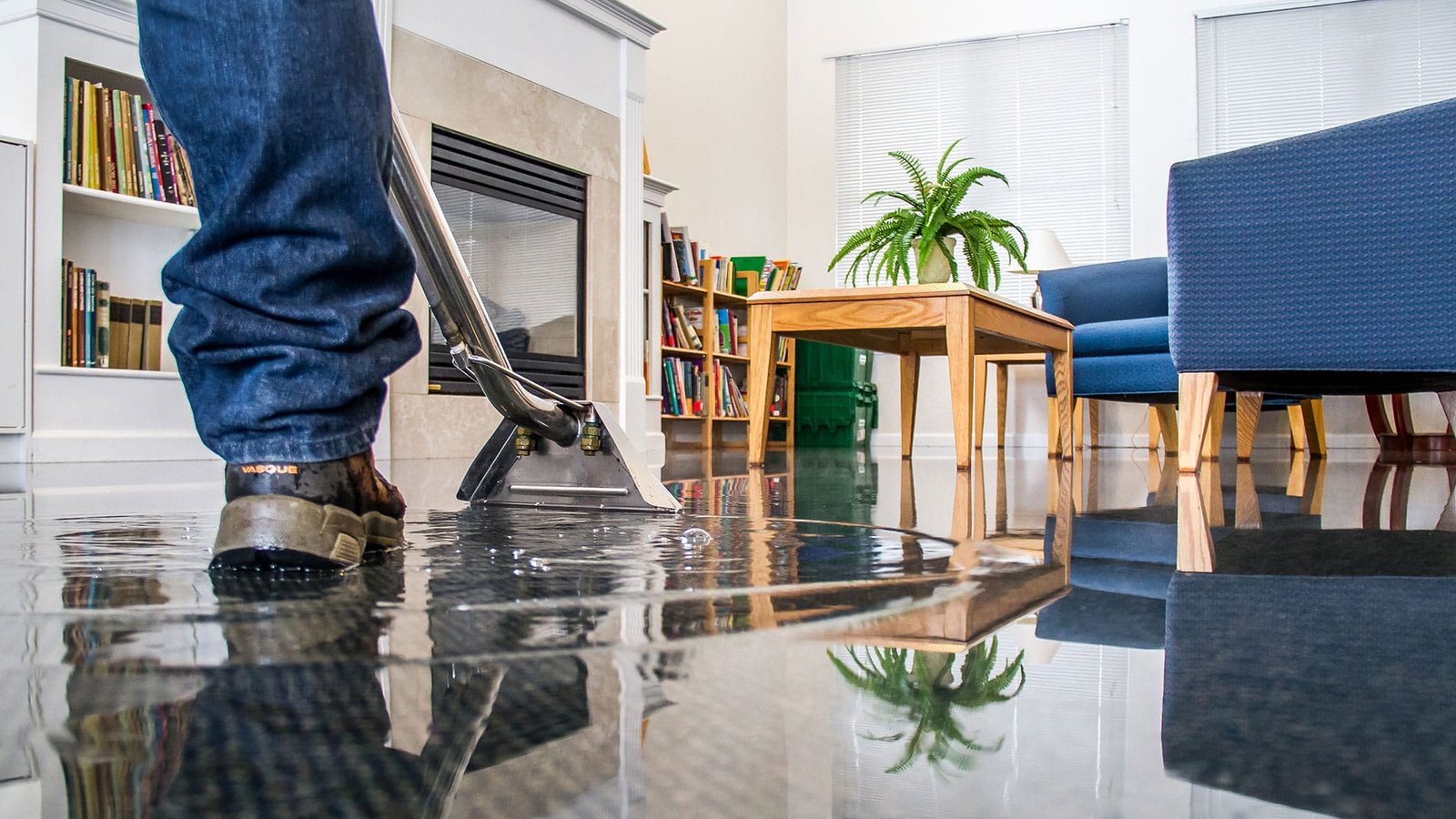
The first practical step in water damage clean up is removing standing water. Rapid water extraction prevents further damage and reduces the risk of mold. Professionals use powerful pumps, wet vacuums, and other specialized equipment to remove water efficiently. Homeowners can help by using buckets, mops, and portable pumps for minor flooding, but larger floods require professional machinery.
Water extraction is critical because water left standing for even a few hours can seep into walls, flooring, and furniture, making restoration more complicated. Quick and thorough removal forms the foundation of effective water damage clean up.
Drying and Dehumidification
Once standing water is removed, drying out the affected areas is the next priority. Flood restoration service teams use industrial fans, heaters, and dehumidifiers to lower moisture levels. Proper airflow and ventilation prevent structural deterioration and inhibit mold growth.
For homeowners tackling small-scale water damage clean up, opening windows, using household fans, and removing wet items to a dry location can aid the drying process. However, professional equipment ensures that moisture hidden in walls, insulation, and flooring is effectively removed, reducing long-term damage.
Cleaning and Disinfection
Floodwater often carries bacteria, debris, and harmful chemicals. Comprehensive cleaning and disinfection are essential to restore a safe living environment. Professionals use antimicrobial solutions to clean walls, floors, furniture, and other affected items. Soft furnishings and textiles may require specialized cleaning or replacement depending on the contamination level.
During water damage clean up, focus on areas where bacteria and mold are likely to thrive. Carpets, wooden surfaces, and upholstery often need detailed cleaning to prevent ongoing health risks. A thorough approach ensures that your home is not only dry but safe for occupancy.
Structural Repairs
After cleaning and drying, the next phase involves assessing structural damage. Flooding can weaken foundations, walls, and floors. Flood restoration service experts inspect for cracks, warping, and other damage that may compromise safety. Repairs may involve replacing drywall, reinforcing floors, and fixing electrical or plumbing systems.
For homeowners, understanding the importance of professional evaluation at this stage is critical. While minor cosmetic repairs can be DIY, structural damage requires expert intervention to avoid future problems. Effective water damage clean up includes both surface-level restoration and deeper structural attention.
Mold Prevention and Remediation
Mold can develop within 24 to 48 hours after water exposure, making prevention a key part of flood restoration service. Professionals apply mold inhibitors and carefully monitor moisture levels to prevent growth. In cases of existing mold, specialized remediation ensures complete removal without spreading spores to other areas.
Homeowners should also be vigilant in checking hidden spaces like under sinks, behind cabinets, and inside walls for early signs of mold. Prompt action complements professional water damage clean up and helps maintain a healthy home environment.
Restoration of Personal Belongings
Once the home’s structure is secured, attention shifts to personal items. Furniture, electronics, documents, and sentimental items may require cleaning, drying, or professional restoration. Items made from fabric, paper, or electronics often need specialized treatments to prevent permanent damage.
Documenting items for insurance purposes is recommended before restoration begins. This documentation supports claims and ensures compensation for damaged property. A comprehensive water damage clean up plan addresses both the home’s physical structure and its contents.
Final Inspection and Monitoring
Flood restoration service concludes with a final inspection to ensure the home is safe, dry, and restored to pre-flood conditions. Professionals check moisture levels, structural integrity, and the effectiveness of cleaning and disinfection. Homeowners should monitor their property in the following weeks for any signs of lingering moisture, mold, or damage.
Regular follow-up maintenance, such as checking for leaks and maintaining proper ventilation, supports long-term water damage clean up efforts and reduces the risk of future flooding.
Choosing the Right Flood Restoration Service
Selecting a reliable flood restoration service is essential for effective water damage clean up. Look for companies with experience, proper certifications, and positive reviews. A trustworthy provider will offer a comprehensive plan covering assessment, extraction, drying, cleaning, repairs, and mold prevention.
Engaging professionals not only speeds up the recovery process but also ensures that the restoration is thorough and safe. Homeowners benefit from reduced stress, faster recovery, and minimized long-term damage.
Conclusion
Flood restoration service is a multi-step process that requires careful planning, swift action, and professional expertise. From water extraction and drying to cleaning, repairs, and mold prevention, each step plays a crucial role in restoring your home. Prioritizing safety, understanding water damage clean up methods, and partnering with experienced professionals can help homeowners recover efficiently and protect their property from future risks.
By following this step-by-step guide, homeowners can confidently navigate the challenges of flooding, restore their homes, and ensure a safe, healthy environment for their families.