
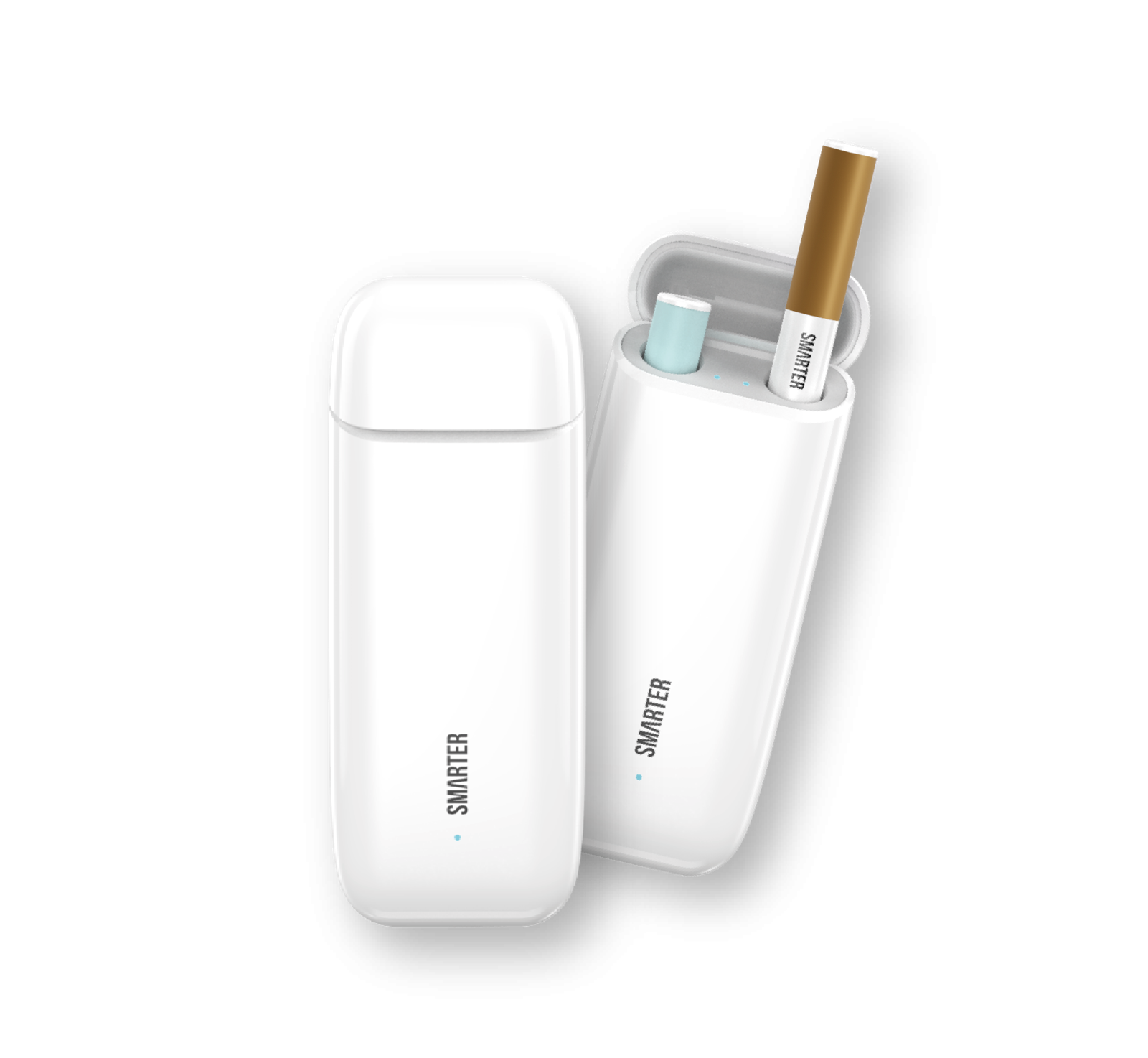
Vaping has come a long way from its early, simple e-cigarette designs. What began as a basic nicotine delivery alternative has evolved into a highly engineered ecosystem of smart devices, sensors, and adaptive airflow systems. One of the most talked-about innovations in this space is the concept of smarter airpuffs, a new approach that focuses on optimizing each inhale for consistency, personalization, and enhanced user experience.
At its core, vaping technology has always aimed to replicate or replace traditional smoking, but modern advancements are no longer just about imitation. They are about refinement. Smarter airpuffs represent this shift by introducing intelligent airflow control systems that adjust in real time based on user behavior, device temperature, and even environmental conditions.
What Are Smarter Airpuffs?
Smarter airpuffs refer to an advanced vaping mechanism that dynamically controls the airflow and vapor output during each puff. Instead of delivering a uniform experience regardless of how a user inhales, these systems analyze patterns and adjust output accordingly.
Traditional vaping devices rely on static airflow settings, meaning the user must manually adjust resistance or accept a fixed draw. Smarter airpuffs change this by integrating micro-sensors and responsive chipsets that interpret inhalation strength, duration, and frequency. The result is a more tailored vaping experience that feels smoother and more consistent.
For example, a light inhale might trigger a softer vapor release, while a deeper draw could activate enhanced vapor density and flavor intensity. This adaptive system ensures that each puff is optimized in real time, reducing harsh hits and improving overall satisfaction.
How Next-Gen Technology Powers Smarter Airpuffs
The innovation behind smarter airpuffs lies in a combination of hardware and software working together seamlessly. Modern vaping devices now incorporate airflow sensors, pressure detection systems, and AI-driven firmware that continuously learns from user habits.
Sensor-Based Airflow Control
At the foundation of smarter airpuffs is sensor-based airflow detection. These sensors measure the speed and intensity of each inhale. This data is instantly processed to determine how much vapor should be generated. The system responds within milliseconds, ensuring that the transition between puffs feels natural and uninterrupted.
Adaptive Coil and Heating Systems
Another critical component is the adaptive heating element. Traditional coils heat at a fixed rate, but next-generation devices adjust temperature dynamically. When paired with smarter airpuffs, this ensures that vapor production remains consistent even during long sessions or fluctuating usage patterns.
By maintaining optimal heating conditions, devices can reduce burnt hits and extend coil lifespan, making the experience more efficient and cost-effective for users.
Machine Learning Integration
Some advanced systems even incorporate machine learning algorithms. These algorithms study user behavior over time, identifying preferences such as preferred vapor density, throat hit strength, and inhalation speed. The device then gradually fine-tunes its output to match those preferences automatically.
This learning capability is what truly defines smarter airpuffs as a next-generation feature rather than a simple hardware upgrade.
The User Experience Transformation
One of the most significant impacts of smarter airpuffs is the transformation of the user experience. Instead of manually adjusting settings or dealing with inconsistent vapor production, users can enjoy a more intuitive and seamless interaction with their device.
Consistency Across Every Puff
Consistency is one of the biggest challenges in traditional vaping. Environmental factors like battery level, coil condition, and even temperature changes can affect performance. Smarter airpuffs minimize these inconsistencies by continuously adjusting output in real time.
This means the first puff of the day feels just as smooth and flavorful as the last, regardless of external variables.
Personalized Vaping Profiles
With intelligent adaptation systems, many devices now allow for personalized vaping profiles. Over time, the device learns how the user prefers to vape and automatically adjusts settings accordingly.
For example, someone who prefers dense vapor clouds will experience different airflow calibration compared to someone who values a lighter, more cigarette-like draw. Smarter airpuffs make these distinctions automatic rather than manually configured.
Reduced User Effort
Another major benefit is reduced user intervention. In older devices, users often needed to tweak airflow rings, wattage settings, or coil types. With smarter airpuffs, much of this complexity is removed, allowing users to focus on the experience rather than the mechanics.
Health and Efficiency Considerations
While vaping itself remains a controversial topic in public health discussions, technology improvements like smarter airpuffs often aim to improve efficiency and reduce waste.
By optimizing airflow and heating cycles, devices can potentially reduce overheating and minimize unnecessary e-liquid consumption. This can lead to a more controlled vapor output, preventing excessive or uneven usage.
Additionally, smoother airflow control may reduce harsh throat irritation by avoiding sudden spikes in vapor density. However, it is important to note that vaping still carries health risks, and smarter technology does not eliminate those concerns.
The Role of AI in Future Vaping Systems
Artificial intelligence is expected to play an even larger role in future vaping technology. Smarter airpuffs are just the beginning of a broader shift toward fully adaptive devices that can respond to user habits in real time.
Future systems may integrate biometric data, such as breathing patterns or stress levels, to adjust vapor delivery accordingly. While this may sound futuristic, the underlying technology already exists in other wearable and smart device industries.
AI-driven vaping devices could eventually predict when a user wants a stronger or lighter puff without any manual input, making the experience almost entirely automated.
Design and Hardware Innovations Supporting Smarter Airpuffs
Beyond software, hardware design is also evolving to support smarter airpuffs. Manufacturers are focusing on compact sensors, improved battery efficiency, and modular coil systems that work in harmony with adaptive airflow technology.
Devices are becoming more ergonomic, with improved airflow channels that reduce resistance and enhance vapor smoothness. Battery systems are also being optimized to handle the increased computational demands of smart sensors without sacrificing portability.
This balance between power and efficiency is crucial for making smarter airpuffs practical for everyday use.
The Future of Smarter Airpuffs in the Vaping Industry
As vaping technology continues to evolve, smarter airpuffs are likely to become a standard feature rather than a premium add-on. The demand for personalized, consistent, and low-maintenance devices is driving manufacturers to adopt intelligent systems across all product tiers.
In the future, we may see fully connected vaping ecosystems where devices sync with mobile apps, track usage patterns, and provide real-time feedback on performance. Smarter airpuffs will likely serve as the foundation for these innovations, shaping how users interact with vaping technology on a daily basis.
Conclusion
Smarter airpuffs represent a major step forward in the evolution of vaping technology. By combining sensors, adaptive airflow systems, and machine learning, these innovations create a more consistent, personalized, and efficient experience for users.
While vaping remains a complex and debated topic, there is no denying the technological progress being made. As devices continue to become more intelligent and responsive, smarter airpuffs will likely define the next era of how vapor is delivered and experienced.