
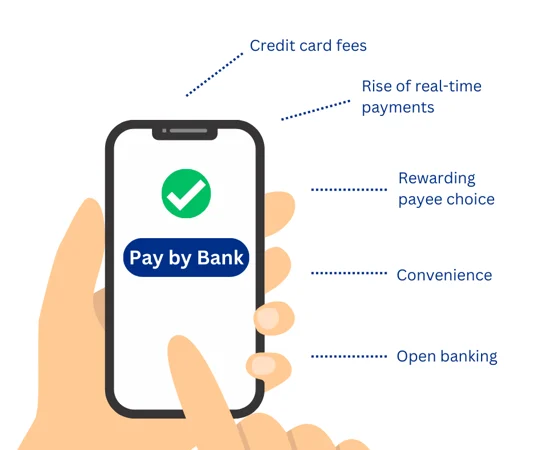
The digital payments landscape is evolving rapidly, and businesses are constantly searching for faster, safer, and more cost-effective ways to process transactions. Traditional payment methods like credit and debit cards have dominated for decades, but they come with limitations—high fees, fraud risks, and inefficiencies. Enter Pay by Bank Account, a modern solution that is transforming how money moves between customers and businesses.
As highlighted by solutions like https://www.fenige.com/products/pay-by-bank-account, this payment method is gaining traction globally, offering a seamless and secure alternative that benefits both merchants and consumers.
What is Pay by Bank Account?
Pay by Bank Account is a payment method that allows customers to transfer money directly from their bank account to a business’s account without using cards or third-party intermediaries. Instead of entering card details, users simply authenticate the transaction through their bank’s app or online portal.
This process relies on modern financial technologies such as open banking and real-time payment rails. Once the customer approves the payment, funds are transferred directly, often within seconds or minutes depending on the system used.
How Pay by Bank Account Works
The process is straightforward and user-friendly:
Step 1: Choose Pay by Bank at Checkout
Customers select the Pay by Bank option instead of using a card.
Step 2: Secure Bank Authentication
They are redirected to their bank’s secure environment, where they log in and verify the transaction using biometrics or two-factor authentication.
Step 3: Instant Payment Authorization
Once approved, the payment is processed directly from the bank account to the merchant.
This simple flow eliminates the need for entering long card numbers and reduces friction during checkout, improving the overall user experience.
Why Traditional Payments Are Losing Ground
Traditional card-based systems involve multiple intermediaries, including card networks, payment gateways, and processors. This complexity leads to several drawbacks:
High Transaction Fees
Merchants often pay between 1.5% and 3.5% per transaction in card processing fees.
Increased Fraud Risk
Card payments are vulnerable to data breaches, stolen card details, and chargebacks.
Delayed Settlements
Funds can take several days to settle, impacting cash flow for businesses.
Poor User Experience
Customers must manually enter card details, which increases checkout time and the likelihood of errors.
These challenges are pushing businesses to explore smarter alternatives like Pay by Bank Account.
Key Benefits of Pay by Bank Account
Lower Costs for Businesses
One of the biggest advantages is significantly reduced transaction fees. Since payments are made directly between bank accounts, there are fewer intermediaries involved. This can save businesses a substantial amount in processing costs and improve profit margins.
Enhanced Security
Pay by Bank Account leverages bank-grade security systems, including encryption, biometric authentication, and strong customer authentication protocols. Unlike card payments, sensitive information such as card numbers is never shared with merchants, reducing the risk of fraud.
Faster Payments and Better Cash Flow
With real-time or near-instant payment processing, businesses can access funds much quicker compared to traditional methods. This improves liquidity and reduces reliance on external financing.
Reduced Payment Failures
Bank accounts don’t expire like credit cards. This makes Pay by Bank especially effective for recurring payments and subscriptions, reducing failed transactions and improving customer retention.
Improved Customer Experience
Customers can complete payments quickly without entering lengthy card details. The process is intuitive and often requires just a few clicks, leading to higher conversion rates and lower cart abandonment.
Benefits for Consumers
Pay by Bank Account is not just beneficial for businesses—it also enhances the customer experience in several ways:
Greater Control
Customers approve each transaction directly through their bank, giving them full visibility and control over payments.
Increased Trust
People are more comfortable interacting with their own bank’s interface rather than sharing card details with multiple websites.
No Hidden Fees
Unlike credit cards, there are typically no additional charges or interest fees for using Pay by Bank.
Convenience
With saved bank connections, repeat purchases can be completed quickly, often with a single click.
Pay by Bank vs Traditional Payment Methods
The differences between Pay by Bank and traditional payment methods are significant:
Cost Efficiency
Pay by Bank offers lower processing fees compared to card payments.
Security
It reduces fraud risks by eliminating the need to store or share sensitive card information.
Speed
Transactions are faster, especially with real-time payment systems.
Reliability
Fewer declined payments occur due to expired cards or incorrect details.
These advantages make Pay by Bank a compelling alternative for modern businesses.
The Role of Open Banking
Open banking plays a crucial role in enabling Pay by Bank Account. It allows secure communication between banks and third-party providers through APIs, making it possible to initiate payments directly from a user’s bank account.
This innovation has paved the way for faster, more transparent, and highly secure payment systems, driving the global adoption of Pay by Bank solutions.
Use Cases Across Industries
Pay by Bank Account is versatile and can be used across various sectors:
E-commerce
Online retailers benefit from lower fees and higher conversion rates.
Subscription Services
Recurring payments become more reliable due to fewer payment failures.
Utilities and Bill Payments
Customers can pay bills directly from their bank accounts with ease.
Travel and Hospitality
Large transactions are processed securely without card limits or delays.
Financial Services
Loan repayments and transfers become faster and more efficient.
Challenges to Consider
While Pay by Bank offers numerous benefits, it is not without challenges:
Limited Awareness
Many consumers are still unfamiliar with this payment method.
Integration Requirements
Businesses may need to integrate new systems or providers.
Processing Variability
In some regions, payments may not yet be fully real-time.
However, ongoing advancements in financial technology are rapidly addressing these limitations.
The Future of Payments
Pay by Bank Account is poised to play a major role in the future of digital payments. With increasing adoption of real-time payment systems and open banking regulations, this method is expected to grow significantly in the coming years.
Consumers are demanding faster, safer, and more convenient payment options, while businesses are looking for ways to reduce costs and improve efficiency. Pay by Bank meets both needs, making it a powerful alternative to traditional payment methods.
Conclusion
Pay by Bank Account represents a smarter, more efficient approach to payments in the modern digital economy. By enabling direct bank-to-bank transfers, it eliminates many of the inefficiencies associated with traditional payment systems.
With benefits such as lower costs, enhanced security, faster transactions, and improved user experience, it is clear why businesses are increasingly adopting this method. Solutions like https://www.fenige.com/products/pay-by-bank-account are helping drive this transformation, making it easier than ever for companies to integrate and benefit from Pay by Bank technology.
As the payments industry continues to evolve, Pay by Bank Account stands out as a forward-thinking solution that aligns with the needs of both businesses and consumers—