
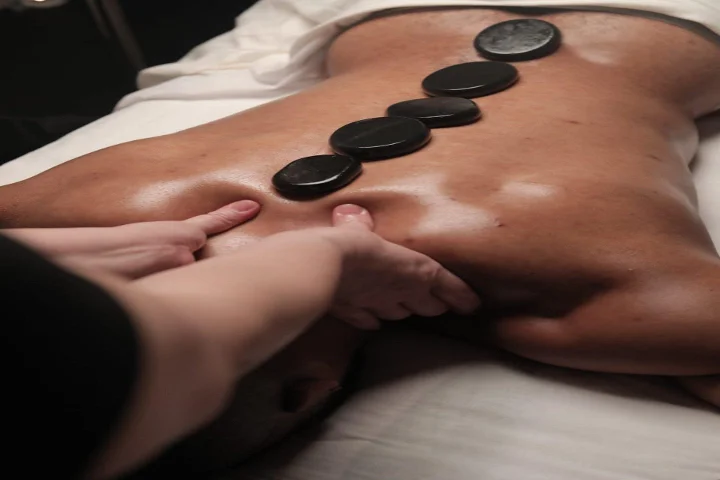
Thai massage is one of the oldest healing practices in the world, combining stretching techniques, acupressure, and rhythmic movements to support overall wellness. Unlike traditional Western massage therapies that primarily focus on muscle manipulation, thai massage incorporates assisted stretching and energy line work to promote physical and mental balance. As more people seek natural ways to improve their health and reduce stress, thai massage continues to gain popularity for its numerous benefits.
Understanding Thai Massage
Thai massage originated in Thailand more than 2,500 years ago and has been practiced as part of traditional medicine for centuries. The therapy involves a combination of gentle pressure, stretching, and body movements performed by a trained practitioner. During a thai massage session, clients typically remain fully clothed while the therapist guides them through various stretches and positions.
The unique approach of thai massage allows it to address multiple aspects of health at once. It not only helps relieve muscle tension but also supports flexibility, circulation, and relaxation. This holistic method makes thai massage an excellent option for individuals seeking a comprehensive wellness experience.
How Thai Massage Improves Flexibility
Assisted Stretching Techniques
One of the most distinctive features of thai massage is its use of assisted stretching. The therapist carefully moves different parts of the body through a range of motions that may be difficult to achieve independently. These stretches help lengthen muscles, improve joint mobility, and increase overall flexibility.
Regular thai massage sessions can gradually enhance the body’s ability to move freely and comfortably. People who spend long hours sitting at desks or engaging in repetitive activities often experience tight muscles and limited mobility. Thai massage helps counteract these issues by gently encouraging muscles and connective tissues to loosen and extend.
Increased Range of Motion
Improved flexibility leads to a greater range of motion in the joints. When muscles become less tense and more elastic, everyday movements become easier and more comfortable. Athletes, fitness enthusiasts, and individuals recovering from physical strain often turn to thai massage to support their mobility goals.
The stretching elements of thai massage can target key areas such as the hips, shoulders, back, and legs. Over time, these targeted stretches contribute to better posture, reduced stiffness, and enhanced physical performance.
Reduced Muscle Tightness
Tight muscles can restrict movement and increase the risk of discomfort or injury. Thai massage addresses muscle tightness by applying controlled pressure along specific areas of the body. Combined with stretching, this approach helps release tension and restore flexibility.
As muscle tightness decreases, individuals often notice improvements in their daily activities, exercise routines, and overall comfort levels. This makes thai massage an effective complement to an active lifestyle.
How Thai Massage Enhances Circulation
Stimulating Blood Flow
Healthy circulation is essential for delivering oxygen and nutrients throughout the body. Thai massage uses rhythmic pressure and stretching movements that encourage blood flow to muscles and tissues. Improved circulation helps nourish cells and supports the body’s natural healing processes.
During a thai massage session, the therapist’s movements create a pumping effect that can stimulate the circulatory system. Enhanced blood flow may help reduce feelings of fatigue and support overall vitality.
Supporting Lymphatic Function
In addition to improving blood circulation, thai massage may also support the lymphatic system. The lymphatic system plays an important role in removing waste products and excess fluid from the body.
Gentle pressure techniques used in thai massage can encourage lymphatic movement, helping the body maintain balance and promote overall wellness. Better lymphatic function may contribute to reduced swelling and a stronger immune response.
Improving Oxygen Delivery
When circulation improves, oxygen can reach muscles and organs more efficiently. This increased oxygen delivery helps support energy production and muscle recovery. Individuals who engage in regular physical activity often find thai massage beneficial for reducing post-exercise soreness and promoting recovery.
Enhanced circulation can also contribute to healthier skin by providing cells with the nutrients they need to function optimally. As a result, thai massage may offer both internal and external wellness benefits.
How Thai Massage Promotes Relaxation
Reducing Stress Levels
Modern life often involves constant demands and pressures that can lead to stress and anxiety. Thai massage provides an opportunity to disconnect from daily stressors and focus on relaxation. The combination of rhythmic movements, gentle stretching, and focused pressure creates a calming experience that helps soothe the nervous system.
Many individuals report feeling deeply relaxed after a thai massage session. This relaxation can extend beyond the treatment itself, contributing to a greater sense of well-being throughout the day.
Encouraging Mental Clarity
Stress and tension can negatively affect concentration and mental clarity. Thai massage promotes relaxation, which may help clear the mind and improve focus. As physical tension decreases, mental stress often diminishes as well.
The mindful nature of thai massage encourages individuals to become more aware of their bodies and breathing patterns. This heightened awareness can create a meditative effect that supports emotional balance and mental wellness.
Supporting Better Sleep
Quality sleep is essential for overall health, yet many people struggle with sleep-related issues. The relaxation benefits of thai massage may help prepare the body and mind for restful sleep. By reducing muscle tension and calming the nervous system, thai massage can create conditions that support deeper and more restorative rest.
Individuals who receive regular thai massage treatments often report improvements in sleep quality and reduced feelings of restlessness.
Additional Health Benefits of Thai Massage
Improved Posture
Poor posture can contribute to discomfort and reduced mobility. Thai massage helps release tension in muscles that may pull the body out of alignment. Improved flexibility and muscle balance can support better posture and reduce strain on the spine.
Enhanced Energy Levels
Many people experience increased energy after a thai massage session. Improved circulation, better oxygen delivery, and reduced muscle tension can leave individuals feeling refreshed and revitalized.
Holistic Wellness Support
Thai massage addresses both physical and mental well-being. Its combination of stretching, pressure techniques, and relaxation practices provides a comprehensive approach to health that supports the body as a whole.
Who Can Benefit from Thai Massage?
Thai massage is suitable for a wide range of individuals. Office workers, athletes, seniors, and people seeking stress relief can all benefit from this traditional therapy. However, individuals with specific medical conditions should consult a healthcare professional before receiving thai massage to ensure it is appropriate for their needs.
Whether the goal is increased flexibility, better circulation, or enhanced relaxation, thai massage offers a natural and effective way to support overall wellness.
Conclusion
Thai massage is much more than a simple relaxation treatment. Its unique combination of stretching, acupressure, and movement helps improve flexibility, stimulate circulation, and promote deep relaxation. Regular thai massage sessions can support better mobility, healthier blood flow, reduced stress, and enhanced overall well-being. As a holistic therapy with centuries of history, thai massage continues to provide valuable benefits for individuals seeking a natural path to better health and balance.