
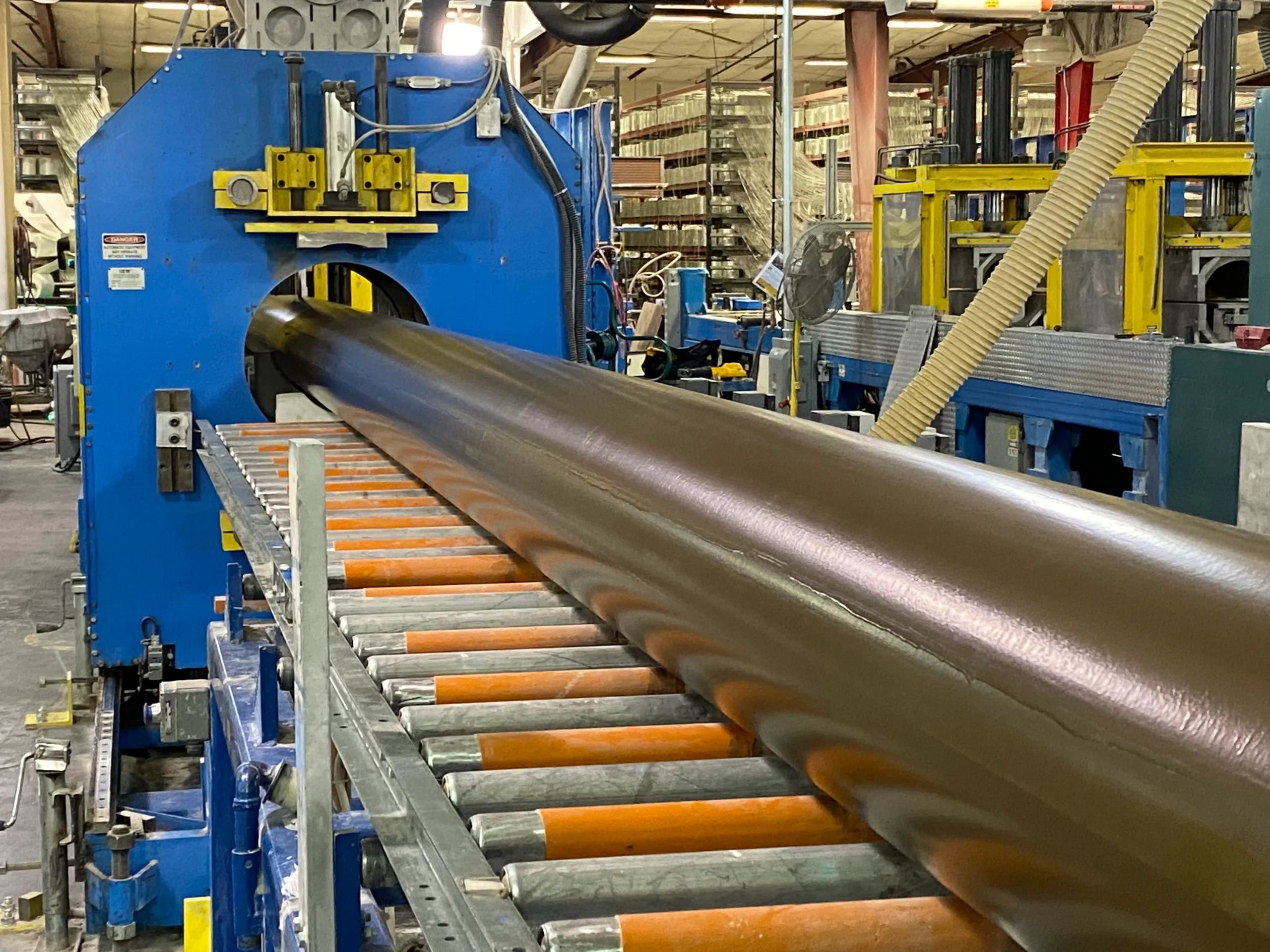
In the competitive world of manufacturing, maintaining consistent product quality is essential. Fiber Reinforced Plastic (FRP) products are widely used in construction, marine, transportation, and infrastructure projects due to their strength, corrosion resistance, and durability. A reliable FRP manufacturer implements comprehensive quality assurance practices to ensure products meet stringent performance and safety standards. Quality assurance not only ensures superior product performance but also strengthens the credibility and reputation of the manufacturer in the global market.
Expertise in Material Selection
Choosing the Right Resins and Fibers
Quality assurance begins with careful material selection. A reputable FRP manufacturer sources high-quality resins, reinforcement fibers, and additives from certified suppliers. Testing for viscosity, curing properties, and fiber alignment ensures the materials meet precise specifications for mechanical and chemical performance. Proper selection prevents defects and guarantees long-lasting FRP products.
Role of Additives and Fillers
Additives like catalysts, stabilizers, and fillers play a critical role in enhancing fire resistance, UV protection, and durability. A skilled FRP manufacturer evaluates the effects of these additives to ensure compatibility with the resin and fibers, producing consistent and high-performance components.
Standardized Production Processes
Consistency Through Controlled Procedures
Consistency in manufacturing is crucial for producing high-quality FRP products. Leading FRP manufacturers implement standardized production processes for techniques such as hand lay-up, filament winding, pultrusion, and resin transfer molding. Each stage, from fiber cutting to resin curing, follows strict operational protocols, reducing errors and maintaining uniformity across batches.
Monitoring Critical Parameters
Monitoring temperature, pressure, and curing times is essential to maintain product integrity. A reliable FRP manufacturer uses precise controls and automated systems to detect deviations and make immediate corrections, ensuring every batch meets strict quality standards.
Advanced Testing and Inspection Methods
Mechanical and Structural Testing
A robust quality assurance system relies on rigorous testing. Destructive tests, including tensile, compressive, and impact tests, evaluate strength, while non-destructive methods such as ultrasonic inspection and visual surface checks detect internal flaws without damaging the product.
Chemical and Environmental Testing
FRP products often operate in harsh conditions. Quality assurance includes chemical resistance testing and environmental simulations to assess durability against corrosion, UV radiation, and extreme temperatures. These evaluations ensure FRP components perform reliably in real-world applications.
Compliance with Industry Standards
International Certifications
Compliance with standards such as ASTM, ISO, and EN is critical. A reputable FRP manufacturer ensures products meet these internationally recognized benchmarks, guaranteeing safety, performance, and reliability. Certifications provide clients with confidence in both the products and the manufacturer’s capabilities.
Internal Quality Audits
Regular internal audits of production, testing, and documentation practices help identify areas for improvement. These proactive evaluations support continuous compliance and foster a culture of quality throughout the organization.
Skilled Workforce and Training
Continuous Skill Development
Employees are a cornerstone of quality assurance. FRP manufacturers invest in training staff on the latest production techniques, safety measures, and inspection protocols. Skilled personnel can detect defects early, maintain equipment properly, and ensure consistent product quality.
Employee Engagement
Encouraging staff participation in quality assurance programs improves accountability and reduces errors. Regular workshops, feedback sessions, and incentive programs motivate employees to maintain high standards, contributing significantly to overall product excellence.
Process Documentation and Traceability
Detailed Record-Keeping
Every stage of production, from raw material sourcing to final testing, should be meticulously documented. A reliable FRP manufacturer maintains batch numbers, material certificates, and test results to trace defects, implement corrective actions, and prevent future issues.
Client Transparency
Comprehensive documentation also allows clients to track product quality from production to delivery, reinforcing trust in the FRP manufacturer and ensuring transparency.
Preventive Maintenance of Equipment
Ensuring Machinery Reliability
Equipment performance is crucial to maintaining FRP quality. Regular preventive maintenance, calibration, and servicing of production machinery prevent malfunctions that can lead to defects, ensuring consistent and reliable output.
Reducing Downtime
Scheduled maintenance minimizes production interruptions, reducing delays and the risk of quality issues caused by malfunctioning equipment. This approach helps a manufacturer meet client deadlines while maintaining high standards.
Continuous Improvement and Client Collaboration
Embracing Feedback
Leading FRP manufacturers adopt a culture of continuous improvement. Feedback from clients, employees, and audits is used to refine processes, reduce defects, and enhance product performance. Lean Manufacturing and Total Quality Management (TQM) practices support ongoing improvement initiatives.
Customization for Client Needs
Collaborating with clients ensures FRP products meet specific operational requirements. By integrating client feedback into production, manufacturers maintain high quality while providing tailored solutions that address real-world challenges.
Environmental and Safety Practices
Sustainable Manufacturing
Quality assurance includes environmental responsibility. Responsible FRP manufacturers implement waste reduction strategies, control emissions, and handle chemicals safely, ensuring compliance with environmental regulations.
Employee Safety
Maintaining safe working conditions is integral to quality assurance. Safety protocols, protective gear, and regular training protect employees from hazards associated with FRP manufacturing, ensuring a safe and productive workplace.
Conclusion
Quality assurance in FRP manufacturing encompasses material selection, standardized production, rigorous testing, compliance with industry standards, skilled employees, traceability, preventive maintenance, continuous improvement, and safety practices. A reliable FRP manufacturer integrates these measures to deliver durable, high-performance, and consistent products. By prioritizing quality at every stage, FRP manufacturers satisfy client expectations and maintain a strong reputation in the global market. Excellence in quality assurance sets leading FRP manufacturers apart, ensuring products that consistently meet the highest standards.