
Navigating the world of Sidewalk Repair in NYC can feel overwhelming for property owners. Between complex city regulations, potential legal liabilities, and the practical challenges of maintaining safe walking surfaces, it’s easy to put off these critical repairs. Yet, with millions of pedestrians relying on New York City’s sidewalks daily, and with property owners bearing clear legal responsibility, understanding your obligations and options isn’t just advisable—it’s essential. This guide breaks down everything you need to know about hiring a Sidewalk Contractor in NYC, handling violations, and ensuring your property remains safe, compliant, and valuable.
Understanding Your Responsibility: NYC Sidewalk Laws
In New York City, the property owner is responsible for installing, repairing, and maintaining the sidewalk adjacent to their building. This duty is codified in the City’s Administrative Code (Section 19-152). Furthermore, since 2003, Administrative Code § 7‑210 has established a “non-delegable duty” requiring owners to maintain sidewalks in a “reasonably safe condition”. This means that if a pedestrian trips and falls on a defective sidewalk adjacent to your property, you can be held liable for resulting injuries—even if you hired someone else to do the repairs.
The NYC Department of Transportation (DOT) enforces these rules by inspecting sidewalks and issuing violations for common defects such as:
- Uneven sidewalk flags where the vertical difference is more than ½ inch.
- Cracks, holes, or missing sections of concrete.
- Improper slopes or drainage issues.
- Hardware or patchwork that protrudes and creates a tripping hazard.
If a violation is issued, you typically have 75 days to complete the repairs. If you fail to act, the DOT may perform the work itself and bill you, often at rates higher than a private contractor would charge. A violation can also create a lien on your property, potentially blocking a sale or refinancing until it is resolved.
Sidewalk Repair vs. Replacement: Choosing the Right Solution
A key decision for property owners is whether a repair or a full replacement is needed. This depends on the extent and nature of the damage.
Table: Sidewalk Repair vs. Full Replacement
| Consideration | Sidewalk Repair | Full Sidewalk Replacement |
| Best For | Isolated damage, minor cracks, single flagged violations. | Widespread damage (>50% of surface), major settling, or multiple trip hazards. |
| Typical Cost | Varies; can range from $1,500 to $10,000 depending on scope. | Typically higher initial investment, but can be more economical for extensive damage. |
| Long-Term Value | Addresses immediate issues; may not stop future deterioration. | Provides a durable, long-term solution with a fresh, uniform appearance. |
| Aesthetic Outcome | Patchwork may be visible. | Creates a seamless, new surface that boosts curb appeal. |
Special situations also exist. For instance, if you own a one-, two-, or three-family home and the damage is caused exclusively by a city-owned tree, the city will not issue a violation or impose a lien. You may also qualify for the NYC Parks Department’s Trees and Sidewalks Repair Program, which offers free repairs for severe root damage at eligible properties.
How to Choose a Reliable Sidewalk Contractor in NYC
Selecting the right Sidewalk Contractor in NYC is crucial for a job done correctly and in compliance with city codes. A qualified contractor manages the complexity of the process, saving you time, money, and stress. Here are the key credentials to verify:
- Proper Licensing: In NYC, any contractor performing home improvement work, including sidewalk repairs costing over $200, must have a Home Improvement Contractor License from the Department of Consumer and Worker Protection (DCWP). You can verify a contractor’s license status on the DCWP website.
- Insurance: Ensure the contractor carries comprehensive liability insurance. This protects you if an accident occurs on your property during the project.
- DOT Permit Expertise: Reputable contractors will obtain all necessary DOT sidewalk construction permits on your behalf. They understand the city’s specifications for concrete mix, slope, and finishing.
- Proven Track Record: Look for a company with extensive local experience. Many established contractors have been operating for decades and have completed thousands of jobs. Read reviews and ask for references or examples of past projects.
The Step-by-Step Process of NYC Sidewalk Repair
Working with a professional contractor streamlines what can be a daunting process. Here’s a typical workflow from start to finish:
- Assessment and Estimate: It begins with a free on-site estimate. A reputable contractor will inspect the damage, review any DOT violation notices, and explain the necessary work and associated costs.
- Permitting and Scheduling: Once you approve the estimate, the contractor will secure the required DOT permit. They will then schedule the work, which for many contractors can often begin within a week.
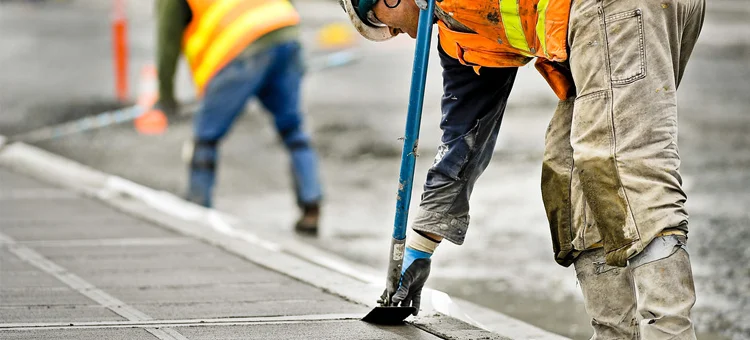
- Safe Execution of Work: On the scheduled day, the crew will set up safety barricades, ramps, or sidewalk sheds to protect pedestrians. They then demolish the damaged sections, pour new high-strength concrete, and finish it to match city standards and surrounding areas.
- Final Inspection and Violation Dismissal: After the concrete has cured, the final and most critical step is the DOT dismissal inspection. Your contractor should guide you to contact 311 to request this inspection. A DOT inspector will visit to confirm the repair meets code. Once approved, the violation is officially dismissed and any related lien is removed from your property records.
The Tangible Benefits of Proactive Sidewalk Maintenance
Addressing sidewalk issues promptly is more than a legal chore; it’s a smart investment. Timely repairs:
- Mitigate Severe Liability: Trip-and-fall lawsuits can result in six- or seven-figure settlements. Proactive maintenance is your first line of defense.
- Ensure Compliance: They help you avoid escalating city fines and costly city-performed repairs.
- Boost Property Value: A smooth, well-maintained sidewalk significantly enhances curb appeal, making your property more attractive to potential buyers or tenants.
- Promote Community Safety: You contribute to a safer, more accessible city for all pedestrians, including children, the elderly, and people with disabilities.
Final Recommendations for NYC Property Owners
Don’t wait for a violation or an accident to address sidewalk damage. If you notice cracks, uneven slabs, or other defects, seek a professional assessment immediately. Get multiple free estimates from licensed and insured Sidewalk Repair Services in NYC, compare their scope of work and process for handling permits and violations, and choose a partner with proven local expertise.
By taking responsibility for the sidewalk in front of your property, you fulfill a legal obligation, protect your financial future, and play a vital role in keeping New York City’s streets safe and walkable for everyone.