
Introduction
Creating engaging digital content has become an important part of building an online presence, promoting a business, and connecting with audiences. Whether someone manages social media accounts, runs a blog, produces videos, or works as a digital marketer, high-quality content can help communicate ideas effectively and attract instagram creator tools attention. However, content creation often requires several skills, including writing, graphic design, video editing, keyword research, and performance analysis.
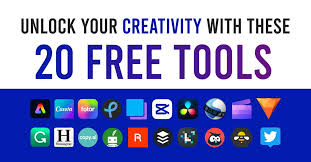
Fortunately, many free creator tools make these tasks easier and more accessible. These resources help beginners and experienced creators develop professional-looking content without investing heavily in expensive software. From generating creative captions to designing attractive graphics, free digital tools can simplify everyday workflows and improve productivity.
Understanding which tools to use and how to combine them can help creators produce valuable content consistently while making better use of their time.
What Are Free Creator Tools?
Free creator tools are digital applications, websites, and software platforms that help users create, edit, organize, publish, and analyze online content. They may offer features for writing, image design, video production, social media management, audio editing, and search engine optimization.
Some tools are completely free, while others use a freemium model. Freemium platforms provide basic features at no cost but charge for advanced functionality, additional storage, or premium templates.
These resources are useful for students, freelancers, entrepreneurs, bloggers, influencers, and small businesses. Instead of purchasing separate professional applications for every task, users can begin with free options and upgrade only when their needs change.
Essential Types of Free Creator Tools
1. Content Writing and Caption Generators
Writing is one of the most important parts of digital content creation. A compelling headline, informative description, or creative social media caption can encourage readers to explore a post.
Free writing tools can help users brainstorm topics, organize ideas, correct grammatical mistakes, and improve readability. Caption generators are particularly useful for Instagram, TikTok, Facebook, and other social media platforms.
For example, a creator preparing a travel photograph can use a caption generator to explore several approaches, including humorous captions, inspirational messages, and short descriptions. The creator can then edit the suggestions to match their personality and audience.
These tools are most effective when used as creative assistants rather than replacements for original thinking. Adding personal experiences, accurate information, and a distinctive voice makes the final content more authentic.
2. Graphic Design and Image Editing Tools
Visual content plays a significant role in attracting attention online. Well-designed graphics can communicate information quickly and make a brand easier to recognize.
Free graphic design tools provide templates for social media posts, YouTube thumbnails, presentations, posters, advertisements, and blog graphics. Many platforms also include customizable fonts, icons, backgrounds, and image-editing features.
Creators can use these resources to maintain consistent colors, typography, and visual styles across different platforms. A recognizable design style helps audiences identify content more easily.
Before publishing an image, creators should check its dimensions, readability, and appearance on mobile devices. They should also confirm that photographs, fonts, and other design assets are licensed for their intended use.
3. Video Editing Tools
Short-form videos have become a popular way to share tutorials, product demonstrations, entertainment, and educational information. However, producing an effective video involves more than simply recording footage.
Free video editing tools can help creators trim clips, arrange scenes, add transitions, include subtitles, adjust audio, and create engaging introductions. Some applications also provide templates and automatic captioning features.
For example, a small business can create a short product demonstration using recorded footage, readable text overlays, and background music. A student can turn a presentation into an educational video with clear narration and supporting visuals.
When selecting a video editor, consider its export quality, watermark policies, supported file formats, and availability of essential features in the free version.
4. Username and Bio Generators
An online identity can influence how people discover and remember a creator. A clear username and informative profile description help communicate the purpose of an account.
Free username generators suggest names based on keywords, interests, niches, or preferred styles. Bio generators can help users develop concise descriptions for social media profiles.
For instance, a fitness content creator might explore usernames related to training, healthy habits, or motivation. A freelance designer could use a bio generator to develop a short introduction highlighting design services and contact information.
Generated suggestions should always be reviewed before use. Check whether the username is available on the intended platform, avoid misleading descriptions, and choose wording that accurately represents the account.
5. Hashtag and Keyword Research Tools
Discoverability is another important part of digital content creation. Even excellent content may struggle to reach the right audience if it does not address relevant topics or use appropriate terminology.
Free keyword research tools help bloggers and website owners identify search terms that people use when looking for information. Hashtag research tools can help social media creators explore relevant topics and organize content around audience interests.
For example, someone publishing a beginner photography guide might research terms related to camera settings, portrait photography, and editing techniques. These ideas can support article headings, video descriptions, and social media posts.
Creators should prioritize relevance rather than adding as many keywords or hashtags as possible. Search engines and social platforms use different discovery systems, so results should be evaluated according to the platform and content type.
6. Social Media Analytics Tools
Publishing content is only one part of a successful digital strategy. Understanding audience responses can help creators determine which topics, formats, and publishing approaches work best.
Many social media platforms provide built-in analytics at no additional cost. Depending on the platform and account type, these dashboards may display reach, views, engagement, audience activity, and other performance indicators.
Creators can use this information to compare different posts and identify patterns. For example, if educational carousel posts receive more saves than ordinary image posts, the creator might experiment with additional step-by-step guides.
Analytics should be interpreted over time rather than relying on one successful or unsuccessful publication. Consistent evaluation helps creators make informed adjustments to their content strategy.
Benefits of Using Free Creator Tools
Free creator tools offer several advantages for individuals and organizations working with limited budgets.
Lower content creation costs: Beginners can access useful features without immediately purchasing professional subscriptions.
Improved productivity: Templates, editing features, and automated suggestions can reduce the time required to complete repetitive tasks.
Greater creative flexibility: Users can experiment with different formats, styles, and ideas before committing to a particular approach.
More consistent publishing: Planning and design resources help creators prepare content in advance and maintain a manageable schedule.
Better learning opportunities: Free applications allow beginners to develop practical skills in writing, graphic design, video editing, and digital marketing.
Although these benefits are valuable, the quality of the final result still depends on the creator’s judgment, originality, and understanding of the audience.
How to Choose the Right Free Creator Tools
With so many applications available, selecting suitable tools can feel overwhelming. The best approach is to begin with specific content goals instead of trying every available platform.
First, identify the type of content you produce most frequently. Bloggers may prioritize writing and keyword research tools, while video creators may need editing software and subtitle generators.
Second, evaluate ease of use. An application with a simple interface and helpful tutorials may be more practical than a complicated platform filled with unnecessary features.
Third, review the limitations of its free plan. Check export restrictions, watermarks, usage limits, privacy policies, and whether essential features require payment.
Finally, test a small selection of tools before building a complete workflow. Using a few reliable applications together is often more efficient than switching between numerous services.
Best Practices for Creating Engaging Digital Content
Free tools can simplify production, but engagement requires thoughtful planning and execution.
Start by understanding your audience. Consider their interests, questions, challenges, and preferred content formats. Create material that provides useful information, solves problems, or offers an enjoyable experience.
Develop strong headlines and introductions that clearly communicate the value of each post. Use readable formatting, relevant visuals, and concise language to make content easier to understand.
Maintain a consistent publishing schedule that fits your available time. Consistency does not mean publishing constantly; it means delivering useful material at a sustainable pace.
Review your results regularly and experiment with different approaches. Test new topics, improve older content, and use audience feedback to guide future decisions.
Most importantly, verify factual claims and edit automatically generated material before publication. Protect personal information and avoid uploading confidential documents to tools without understanding their privacy practices.
Conclusion
Free creator tools have made digital content production more accessible to individuals, businesses, and aspiring professionals. Writing assistants, graphic design applications, video editors, username generators, keyword research resources, and analytics dashboards can all contribute to a more efficient creative process.
The key is to select tools that address genuine needs rather than using every application available. By combining suitable resources with original ideas, audience research, and consistent improvement, creators can develop engaging content without requiring a large budget.
Whether you are starting a new social media account, building a blog, or promoting a business, free creator tools provide a practical foundation for learning, experimenting, and growing your digital presence. With the right approach, simple resources can help transform creative ideas into useful content that attracts attention and builds lasting audience connections.