
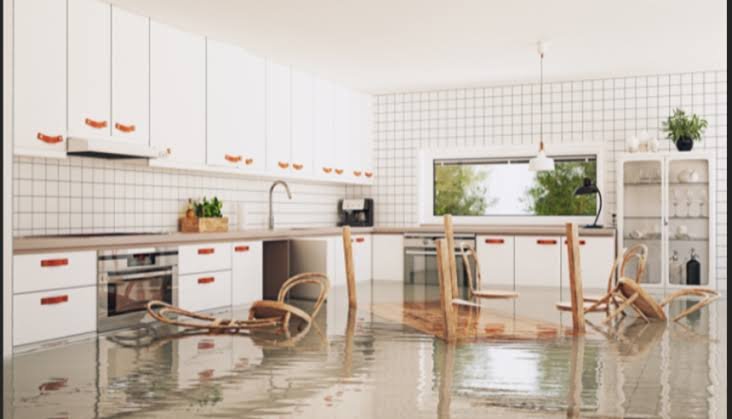
Water damage can happen suddenly because of burst pipes, overflowing appliances, heavy rain, flooding, plumbing failures, or accidental spills. When unwanted water enters a property, fast removal is essential. Standing water can spread across floors, penetrate walls, and increase the risk of structural damage and unpleasant odors.
Effective water extraction focuses on removing as much moisture as possible in the shortest practical time. Professional techniques combine specialized equipment, careful assessment, and controlled drying to restore affected areas efficiently. Understanding these techniques can help property owners respond quickly and reduce the potential consequences of water damage.
Understanding the Water Extraction Process
Water extraction is the process of removing standing water and excess moisture from a building or affected materials. The objective is not simply to make visible surfaces appear dry. Moisture can remain underneath flooring, inside carpets, behind walls, and within porous building materials.
A successful extraction process usually begins with an inspection. Technicians identify the source of the water, determine how widely it has spread, and evaluate the types of materials affected. This assessment helps determine which extraction method and equipment are appropriate.
The sooner the process begins, the easier it may be to control the spread of moisture. Prompt action can also reduce the amount of time that materials remain saturated.
Common Water Extraction Techniques
Different situations require different approaches. The amount of water, affected materials, and location all influence the most suitable technique.
Submersible Pump Extraction
Submersible pumps are commonly used when there is a significant amount of standing water. These powerful pumps can move large volumes of water quickly from basements, garages, commercial areas, and other flooded spaces.
The pump is positioned in the lowest practical area of the affected space. As water levels decrease, technicians may reposition the equipment to collect remaining water.
This technique is particularly useful during major flooding because manually removing large quantities of water would be slow and inefficient.
Wet Vacuum Extraction
Wet vacuums are useful for removing smaller quantities of standing water and moisture from surfaces. They can be used on hard floors, carpets, upholstery, and other areas where a pump may not be practical.
Technicians can use specialized attachments to collect water from corners, edges, and difficult-to-reach areas. Wet vacuum extraction can also complement larger pumping equipment after most standing water has already been removed.
Truck-Mounted Extraction Systems
For larger restoration projects, truck-mounted extraction equipment can provide substantial suction power. These systems are commonly used for extensive carpet and water removal applications.
The equipment uses powerful vacuum technology to pull water from saturated materials. Depending on the situation, this can help remove moisture from carpets and padding more efficiently than standard household equipment.
Portable Extraction Equipment
Portable extractors are useful when technicians need to work in locations where truck-mounted equipment cannot easily reach. They can be transported throughout a property and used in individual rooms or confined spaces.
Modern portable extraction machines can provide strong suction while remaining relatively easy to maneuver. This makes them suitable for residential properties, offices, retail spaces, and other buildings with accessibility limitations.
Removing Moisture From Carpets and Flooring
Carpets can absorb considerable amounts of water. If moisture remains trapped within carpet fibers, padding, or the underlying floor, drying can take much longer.
Technicians may use specialized carpet extraction tools to pull water from the surface and underlying layers. In some cases, carpet padding may need to be removed because heavily saturated padding can retain moisture.
Hard flooring also requires careful attention. Water can collect beneath planks, tiles, or other flooring materials. Simply drying the visible surface may not be enough. Moisture detection tools can help identify hidden damp areas that require additional treatment.
Moisture Detection and Assessment
Effective water extraction does not stop when visible water disappears. Moisture meters and other detection tools can help technicians identify moisture that remains in walls, floors, ceilings, and other materials.
Moisture Meters
Moisture meters measure moisture levels within selected materials. They can help determine whether an area has reached an appropriate drying condition.
Thermal Imaging
Thermal imaging cameras can help identify temperature differences associated with moisture. While thermal imaging does not directly measure moisture content, it can help technicians locate areas that may require closer inspection.
Visual Inspection
Physical inspection remains an important part of the process. Staining, swelling, discoloration, peeling finishes, and changes in material texture can provide useful clues about moisture exposure.
The Importance of Air Movement
After standing water has been removed, the drying stage becomes critical. Air movers increase air circulation across wet surfaces, helping moisture evaporate more efficiently.
Strategically positioned air movers can improve airflow around floors, walls, furniture, and other affected areas. Moving air helps transfer moisture from materials into the surrounding air, where it can then be managed through dehumidification.
The objective is controlled drying rather than simply creating strong airflow in one location.
Using Dehumidifiers for Faster Drying
Dehumidifiers help remove moisture from the air during the drying process. As wet materials release moisture, humidity levels can rise. High humidity can slow evaporation and make it more difficult to dry the affected area.
Commercial dehumidifiers are designed to handle substantial moisture loads. Depending on the environment, technicians may use refrigerant or desiccant dehumidification equipment.
Combining extraction, air movement, and dehumidification creates a more comprehensive drying system than relying on any single technique.
Why Fast Extraction Matters
Time is an important factor in water damage restoration. The longer materials remain wet, the greater the opportunity for moisture to migrate into surrounding areas.
Fast water extraction can help limit the amount of water absorbed by porous materials. It can also reduce disruption to occupants and potentially decrease the overall scope of restoration work.
Quick action is particularly important when water has reached drywall, insulation, wooden structures, carpeting, or other absorbent materials.
Choosing the Right Extraction Method
The appropriate technique depends on several factors. These include the amount of water present, the affected materials, the source of the water, the size of the affected area, and how long the materials have been exposed.
A small spill may require a wet vacuum and air movement, while a flooded basement may require high-capacity pumps followed by professional drying equipment.
Professional assessment helps ensure that equipment is used effectively rather than applying the same method to every situation.
Preventing Moisture Problems After Extraction
Extraction should be followed by careful monitoring. Areas that appear dry may still contain moisture below surfaces or inside building materials.
Regular moisture measurements can help confirm that drying is progressing properly. Furniture and other objects may also need to be repositioned to improve airflow around affected areas.
Once acceptable moisture levels are reached, the property can move toward cleaning, repairs, and restoration.
Conclusion
Fast and effective moisture removal requires more than simply collecting visible water. Water extraction involves a combination of assessment, pumping, vacuum extraction, moisture detection, air movement, and dehumidification.
Submersible pumps can handle large volumes of standing water, while wet vacuums and specialized extractors are useful for carpets, floors, and smaller affected areas. Moisture meters and drying equipment then help address moisture that remains hidden within materials.
By responding quickly and selecting appropriate extraction techniques, property owners and restoration professionals can improve the drying process and help limit the broader effects of water damage. A systematic approach ensures that both visible water and hidden moisture receive the attention necessary for effective restoration.