
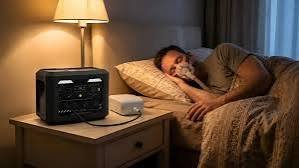
For people who rely on a CPAP machine during sleep, a power outage can be more than an inconvenience. A sudden loss of electricity can interrupt therapy and make it difficult to maintain a normal sleep routine. This is why a CPAP battery backup for power outages can be an important part of a reliable sleep setup.
A suitable battery backup can keep a compatible CPAP machine operating when household electricity is unavailable. Whether outages happen because of storms, electrical problems, travel, or an unreliable power supply, having a backup solution can provide greater confidence and preparedness.
Why a CPAP Battery Backup Is Important
CPAP machines require electrical power to operate. During an outage, the machine may stop working immediately unless it has access to another power source. For someone who uses CPAP therapy every night, even an unexpected interruption can be frustrating.
A dedicated battery backup provides an alternative source of power. Depending on the battery capacity, CPAP model, pressure settings, humidifier use, and other factors, a battery may provide power for several hours or longer.
A backup can be particularly useful in areas where outages are frequent. It can also be helpful when traveling to locations where reliable electrical outlets may not be available.
How a CPAP Battery Backup Works
A CPAP battery backup stores electrical energy that can later be used to power a compatible CPAP machine. The battery is normally charged from an electrical outlet before it is needed. When household power becomes unavailable, the battery can supply electricity to the CPAP device.
Some battery systems are designed specifically for CPAP machines and use compatible DC connections. Others are portable power stations that can provide AC power through a standard outlet.
Before purchasing a battery, users should check their CPAP manufacturer’s recommendations and confirm that the power source is compatible with their particular machine.
Choosing the Right Battery Capacity
Battery capacity is one of the most important factors to consider. A larger battery generally stores more energy, but it may also be heavier, larger, and more expensive.
The required capacity depends on several factors, including:
- CPAP model
- Power consumption
- Pressure settings
- Humidifier use
- Heated tubing
- Battery efficiency
- Expected outage duration
- Ambient temperature
If the battery is intended only for short outages, a smaller portable option may be sufficient. For longer outages, users may want a higher-capacity solution.
Because actual runtime varies considerably between CPAP machines and settings, manufacturers’ runtime estimates should be checked carefully rather than assuming that every battery will provide the same number of hours.
Consider Turning Off Heated Features
Heated humidifiers and heated tubing can consume significant amounts of power. When operating a CPAP machine from a battery during an outage, reducing unnecessary power consumption may extend battery runtime.
Some CPAP users may choose to operate the machine without heated humidification when using battery power. However, settings should be adjusted according to the machine’s instructions and the user’s normal therapy requirements.
The goal is to balance battery conservation with comfortable and appropriate CPAP operation.
Portable Batteries for Travel and Emergencies
A CPAP battery backup can be useful beyond household emergencies. Travelers may encounter situations where access to electricity is limited, such as camping trips, road trips, remote accommodations, or transportation delays.
For travel, portability becomes especially important. A compact battery that is easy to carry may be more convenient than a large emergency power station.
Travelers should also check transportation rules before taking a lithium battery on an airplane. Battery size, labeling, and airline policies can affect whether a particular battery is permitted in carry-on luggage.
CPAP Battery Backup vs. UPS
A traditional uninterruptible power supply, commonly called a UPS, can also provide backup power for electronic equipment. A UPS typically switches to battery power automatically when household electricity fails.
However, not every UPS is optimized for CPAP use. Some models may be inefficient for overnight operation, particularly when an AC inverter is used to convert battery power into electricity for the CPAP.
A CPAP-specific battery can sometimes provide a more efficient solution, especially when it supplies compatible DC power directly.
When comparing the two options, consider runtime, portability, compatibility, battery capacity, charging time, and the manufacturer’s specifications.
What to Check Before Buying
Selecting a CPAP battery backup requires more than simply choosing the largest battery available. Compatibility should always be the first consideration.
Check the following before making a purchase:
CPAP Compatibility
Confirm that the battery is designed or approved for use with your CPAP model. Different machines can have different power requirements and connectors.
Battery Capacity
Look at the battery’s watt-hours or the manufacturer’s stated runtime. Higher capacity can be useful for longer outages.
Connection Type
Make sure the included cable or adapter is compatible with the CPAP machine. Using an unsuitable connection can prevent the machine from operating correctly.
Charging Options
Some batteries can be charged through wall outlets, vehicle power, or other supported sources. Multiple charging methods can be useful during extended emergencies.
Portability
If the battery will be used for travel, consider its weight and dimensions. A compact battery may be easier to transport.
Safety Features
Look for reputable products with appropriate protection against issues such as overcharging, overheating, and short circuits.
Preparing for a Power Outage
Buying a battery is only the first step. It is also important to prepare it before an emergency occurs.
Keep the battery charged according to the manufacturer’s instructions and periodically check its condition. Store the necessary cables and adapters together so they are easy to find.
It can also be useful to test the backup system in advance. Testing helps confirm that the CPAP and battery work together properly and gives you a better understanding of expected runtime.
For longer outages, consider having a broader emergency plan that includes backup lighting, communication methods, and other essential supplies.
Maintaining Your CPAP Battery
Proper maintenance can help a battery remain dependable. Follow the manufacturer’s instructions for charging, storage, temperature, and cleaning.
Avoid exposing the battery to extreme heat or moisture. Recharge it according to the manufacturer’s recommendations, and inspect cables periodically for signs of damage.
Battery performance can decline over time. If the battery no longer provides the expected runtime, consult the manufacturer about replacement or servicing.
Conclusion
A CPAP battery backup for power outages can provide an important alternative power source when electricity is unavailable. The right solution depends on the CPAP model, power requirements, expected outage duration, battery capacity, portability, and available connections.
Before purchasing, verify compatibility with the CPAP manufacturer’s specifications and consider how the battery will be used. For emergency preparedness, keeping the battery charged, testing the setup, and storing the required cables together can make the backup system much more practical.
With proper planning and a compatible power source, CPAP users can be better prepared for unexpected electricity interruptions at home or while traveling.