
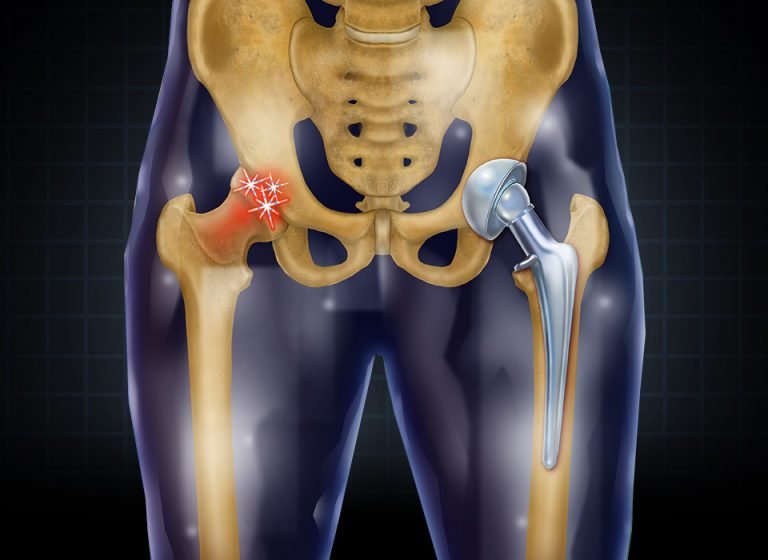
Choosing the right hospital for hip replacement is an important decision that can influence the overall treatment experience, recovery process, and long-term mobility. Patients often compare hospitals based on the surgeon’s expertise, available facilities, treatment approach, costs, and rehabilitation support. When searching for a hip replacement hospital in Thane, it is useful to evaluate several factors rather than selecting a facility based only on location or price.
Hip replacement is a major orthopedic procedure generally considered when severe hip damage causes persistent pain, stiffness, and difficulty performing everyday activities. Understanding what to look for in a hospital can help patients and their families make a more informed healthcare decision.
Understand Why Hip Replacement May Be Recommended
Before comparing hospitals, patients should understand why their orthopedic specialist is recommending surgery. Hip replacement may be considered for conditions such as advanced osteoarthritis, rheumatoid arthritis, certain hip fractures, avascular necrosis, or other forms of significant joint damage.
The decision generally depends on symptoms, medical history, physical examination, imaging results, and how much the condition affects daily activities. Surgery is not automatically appropriate for everyone with hip pain.
A qualified orthopedic specialist should explain the diagnosis, available non-surgical treatments, expected benefits, potential risks, and alternatives before recommending an operation.
Evaluate the Orthopedic Team
The expertise of the orthopedic team should be one of the first considerations when selecting a hospital. Patients can research the surgeon’s qualifications, experience with hip replacement procedures, areas of specialization, and professional credentials.
It is also useful to understand whether the surgeon regularly performs hip replacement surgery rather than occasionally handling the procedure. Experience can be particularly relevant when patients have complex medical conditions, previous hip surgery, unusual anatomy, or other factors that may make treatment more complicated.
Patients should feel comfortable asking questions during consultations. A good specialist should be willing to explain the proposed procedure in understandable language and discuss realistic expectations for recovery.
Ask About the Surgical Approach
Different surgical techniques and approaches may be suitable for different patients. Rather than choosing a hospital simply because it advertises a particular technique, patients should ask why a specific approach is being recommended for their individual condition.
The surgeon can explain the expected advantages, limitations, recovery considerations, and possible complications associated with the selected technique.
Check Hospital Infrastructure and Orthopedic Facilities
A hospital’s infrastructure is another important consideration. Hip replacement requires more than an operating room. Patients may benefit from facilities that support diagnosis, surgery, monitoring, pain management, physiotherapy, and rehabilitation.
When evaluating a hip replacement hospital in Thane, consider whether the facility has appropriate orthopedic services, modern diagnostic equipment, experienced nursing staff, infection-control practices, emergency support, and postoperative monitoring.
The availability of related specialties can also be valuable. Patients with diabetes, heart disease, blood-pressure concerns, or other medical conditions may require evaluation by additional specialists before surgery.
Consider Infection Control and Patient Safety
Patient safety should remain a priority when comparing hospitals. Ask about infection-control procedures, sterilization standards, operating-room protocols, and measures used to reduce postoperative complications.
Although no surgery is completely risk-free, hospitals should have established systems for identifying and managing potential complications. Patients can also ask how the hospital handles emergencies and whether appropriate intensive-care facilities are available if required.
It is reasonable to discuss common surgical risks with the orthopedic team. These may include infection, blood clots, bleeding, nerve or blood-vessel injury, dislocation, differences in leg length, implant-related problems, and the possibility of revision surgery.
Look Beyond the Surgery
Successful hip replacement involves more than the operation itself. Preoperative assessment and postoperative care can significantly influence the patient’s experience.
Before surgery, patients may undergo blood tests, imaging, medical evaluations, and other assessments. After surgery, monitoring, pain management, mobility training, wound care, and physiotherapy may become important parts of recovery.
When selecting a hip replacement hospital in Thane, ask what type of postoperative rehabilitation is available and whether physiotherapists work closely with the orthopedic team.
Ask About Recovery Planning
Recovery differs from one patient to another. Age, general health, muscle strength, surgical technique, home environment, and adherence to rehabilitation recommendations can all affect progress.
A hospital should provide clear instructions regarding walking, exercises, wound care, medications, follow-up visits, and warning signs that require medical attention.
Compare Treatment Costs Carefully
Cost is understandably an important consideration, but the lowest quoted price should not automatically determine the choice of hospital.
Patients should request a detailed estimate covering the major components of treatment. Depending on the hospital and individual case, expenses may include surgeon fees, hospital charges, operating-room costs, implant costs, anesthesia, diagnostic tests, medications, room charges, physiotherapy, and follow-up care.
Ask whether the quoted amount is an estimated package or a guaranteed package and clarify which services are excluded. Patients with health insurance should also confirm the hospital’s insurance and cashless-treatment arrangements directly with the provider.
Research the Implant and Its Suitability
The artificial hip implant is an important part of hip replacement. Patients may encounter different implant designs and materials, and the most appropriate choice can depend on factors such as age, activity level, bone quality, anatomy, and medical considerations.
Instead of focusing only on the brand name, patients should ask their surgeon why a particular implant is appropriate. It is also sensible to understand the expected durability, follow-up requirements, and circumstances that could potentially require revision surgery.
Do Not Choose Based on Advertising Alone
Online advertisements, promotional claims, and patient testimonials can provide useful starting points, but they should not replace professional medical evaluation.
A hospital may highlight advanced technology or quick recovery programs, but patients should ask for practical details about what is actually offered and whether the approach is appropriate for their circumstances.
Review Communication and Follow-Up Services
Good communication can make the treatment journey easier. Patients should consider whether hospital staff clearly explain appointments, tests, admission procedures, medications, costs, and postoperative instructions.
Follow-up availability is equally important. Patients may need multiple consultations after surgery to monitor healing, mobility, and implant function.
A convenient location can also be helpful, particularly when regular follow-up visits or physiotherapy sessions are required.
Consider the Patient’s Individual Needs
There is no universally perfect hospital for every patient. A younger active patient may have different priorities from an older individual with multiple medical conditions. Someone undergoing planned surgery may also have different requirements from a patient receiving urgent treatment following a fracture.
The best choice should therefore be based on individual medical needs, surgeon expertise, hospital capabilities, rehabilitation support, safety standards, and affordability.
Questions to Ask Before Making a Decision
Before choosing a hospital, patients can prepare a list of questions, such as:
- How frequently does the orthopedic surgeon perform hip replacement procedures?
- Why is hip replacement recommended in my case?
- What surgical approach is being proposed?
- Which implant is being considered, and why?
- What are the major risks and possible complications?
- How long might hospitalization last?
- What rehabilitation services are available?
- What follow-up schedule should I expect?
- What is included in the estimated treatment cost?
- Does my insurance cover the hospital and procedure?
Writing down the answers can make it easier to compare hospitals objectively.
Making an Informed Hospital Choice
Selecting a hip replacement hospital in Thane should involve careful consideration rather than relying on a single factor. A hospital’s orthopedic expertise, facilities, safety protocols, implant options, rehabilitation services, communication, and overall treatment costs all deserve attention.
Patients should discuss their condition with a qualified orthopedic specialist and seek clarification whenever something about the proposed treatment is unclear. Comparing multiple hospitals and obtaining appropriate medical opinions can provide additional perspective before making a final decision.
Ultimately, the goal is not simply to find a hospital that performs hip replacement surgery, but to identify a healthcare team and facility capable of providing appropriate evaluation, safe surgical care, and structured support throughout recovery.