
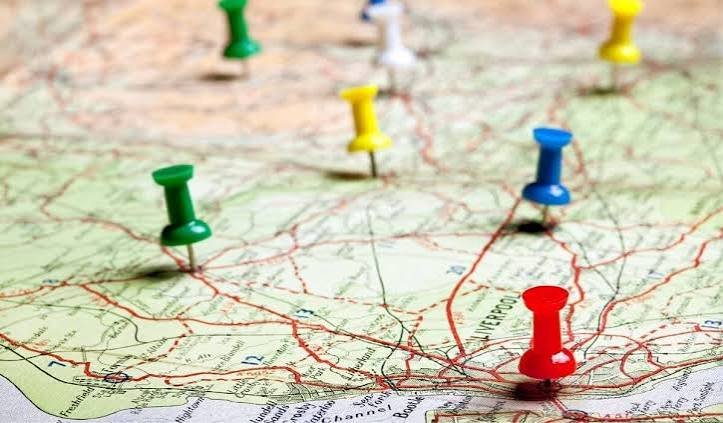
A road trip can be one of the most enjoyable ways to travel. Unlike a tightly scheduled vacation, driving gives you the freedom to choose your route, stop whenever you want, discover planning a road trip interesting places, and enjoy the journey as much as the destination. However, a successful trip requires more than simply getting into the car and driving. Proper preparation can help reduce stress, prevent unexpected problems, and make the entire experience more enjoyable. Whether you are traveling with family, friends, or on your own, planning a road trip carefully can turn an ordinary drive into a memorable adventure.
Start With a Clear Travel Plan
The first step in planning a road trip is deciding where you want to go and how long you want the journey to last. Choose your main destination and identify important places you would like to visit along the way. Having a general route will help you estimate driving time, fuel expenses, accommodation needs, and other costs.
Avoid creating an overly strict schedule. One of the best things about road trips is flexibility. Leave some extra time for unexpected stops, sightseeing, meals, photography, or simply taking a break. A flexible itinerary allows you to enjoy the experience without constantly worrying about reaching the next location.
Research Your Route
Before leaving, research the roads and major stops along your route. Check for construction areas, toll roads, weather conditions, rest areas, fuel stations, and places where you can safely stop. Navigation apps can be helpful, but it is also wise to understand your general route in case you lose internet access.
If your journey passes through remote areas, identify fuel stations and other essential services in advance. This small step can prevent major inconvenience later.
Prepare Your Vehicle
Your vehicle is one of the most important parts of a road trip. Before starting a long journey, make sure it is in good working condition. Check the tires, brakes, lights, battery, engine oil, coolant, windshield wipers, and other essential components.
Check the Tires and Fluids
Inspect your tires for proper inflation and signs of damage. Correct tire pressure can improve driving performance and fuel efficiency. Also check engine oil, coolant, brake fluid, and windshield washer fluid.
If your vehicle is due for routine maintenance, take care of it before the trip rather than waiting until you are already on the road.
Carry Basic Emergency Supplies
Even with careful preparation, unexpected problems can happen. Keep useful emergency items in the vehicle, such as a spare tire, jack, basic tools, flashlight, phone charger, and first-aid supplies. Having these essentials available can make dealing with minor problems much easier.
Create a Realistic Budget
Budgeting is another important part of planning a road trip. Transportation costs can include fuel, tolls, parking, vehicle maintenance, and possible repairs. You should also estimate expenses for accommodation, meals, entertainment, and attractions.
Keep an Emergency Fund
Always set aside some extra money for unexpected expenses. Fuel prices may change, a hotel may cost more than expected, or you may decide to visit an attraction that was not included in your original plan. An emergency budget gives you greater flexibility and peace of mind.
You can also save money by comparing accommodation options, preparing some meals yourself, and choosing free or affordable attractions.
Pack Smart and Stay Organized
Packing properly can make a major difference during a long journey. Instead of filling the vehicle with unnecessary items, focus on things you are likely to use.
Essential Items to Pack
Bring comfortable clothing, toiletries, important documents, chargers, snacks, drinking water, medications if needed, and any equipment required for your activities. Keep frequently used items within easy reach so you do not have to search through multiple bags during every stop.
It is also helpful to organize luggage by category. For example, keep travel documents together, place snacks in a separate bag, and store emergency supplies where they can be accessed quickly.
Plan Meals and Breaks
Driving for several hours without stopping can become tiring and uncomfortable. Schedule regular breaks so everyone can stretch, eat, use restrooms, and relax.
Choose Convenient Food Options
Pack healthy and easy-to-carry snacks such as fruit, sandwiches, nuts, or other suitable foods. Carry enough drinking water for the journey and identify restaurants or food stops along your route.
Trying local food can also become one of the highlights of a road trip. If you have extra time, consider stopping at popular local restaurants, markets, or cafés to experience something different.
Prioritize Safety
Safety should always be a major part of planning a road trip. Follow speed limits, obey traffic signs, and avoid distracted driving. Never use your phone while driving unless you are using a safe hands-free system where permitted.
Manage Driver Fatigue
Tired driving can reduce concentration and reaction time. Plan driver changes when possible and take regular breaks. If you feel tired, find a safe place to stop and rest rather than trying to continue.
Passengers can also help by managing navigation, music, snacks, and other tasks so the driver can concentrate on the road.
Prepare for Weather and Unexpected Changes
Weather can affect driving conditions and travel plans. Check the forecast before departure and continue monitoring it during your journey. If severe weather is expected, consider changing your route or delaying travel when necessary.
Road trips rarely go exactly according to plan. A road may be closed, an attraction may be unavailable, or traffic may cause delays. Instead of allowing these changes to ruin the experience, treat them as part of the adventure and look for safe alternatives.
Make the Journey Enjoyable
A road trip is not only about reaching the destination. The journey itself can provide some of the best memories. Create a playlist that everyone enjoys, listen to podcasts or audiobooks, play simple travel games, and take photographs at interesting stops.
Discover Unexpected Places
Leave room for spontaneous discoveries. A small town, scenic viewpoint, local market, historic location, or beautiful natural area may become one of the most memorable parts of your trip.
However, spontaneous exploration should always be balanced with safety. Stay in appropriate areas, follow local rules, and make sure you have enough fuel and time to continue your journey.
Use Technology Wisely
Technology can make travel easier when used properly. Navigation apps can help with directions and traffic, while travel apps can help locate hotels, restaurants, fuel stations, and attractions.
Download important maps for offline use if you expect limited internet access. Keep your devices charged with suitable power banks or vehicle chargers, but avoid allowing technology to distract you while driving.
Keep Important Documents Accessible
Before departure, make sure you have all necessary travel documents and vehicle information. Depending on your journey, these may include identification, driving documents, vehicle registration, insurance information, accommodation details, and booking confirmations.
Store digital copies securely as a backup while keeping original documents in a safe and easily accessible location.
Enjoy the Experience
The most important part of planning a road trip is remembering that travel should be enjoyable. Preparation gives you a foundation, but flexibility allows you to appreciate unexpected moments. Do not worry if every detail does not go perfectly. Some of the best travel memories come from unplanned stops, funny mistakes, interesting conversations, and places you never expected to discover.
Conclusion
Planning a road trip successfully requires a balance between preparation and flexibility. Choosing a practical route, checking your vehicle, creating a realistic budget, packing carefully, planning breaks, and prioritizing safety can make your journey smoother. At the same time, leaving room for spontaneous experiences can make the adventure more exciting and memorable. With thoughtful preparation and a positive attitude, planning a road trip can help you enjoy not only your destination but every mile along the way.