
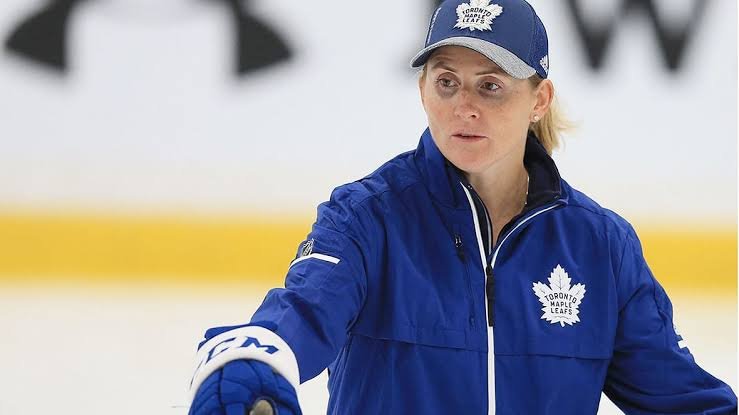
A successful assistant hockey coach plays an important role in developing players, supporting the head coach, and helping the team perform effectively both on and off the ice. While the head coach usually oversees the overall direction of a team, the assistant coach contributes through detailed preparation, player development, game analysis, communication, and daily support. The position requires strong hockey knowledge, organization, leadership, and the ability to work effectively with athletes of different personalities and skill levels.
The responsibilities of an assistant coach can vary depending on the level of competition, but the central objective remains the same: helping players and the team improve. Coaches such as Laird Comber demonstrate how attention to preparation, teamwork, and player development can be valuable qualities within a hockey coaching environment.
Supporting the Head Coach
One of the most important responsibilities of an assistant hockey coach is providing reliable support to the head coach. This includes helping prepare practices, reviewing game plans, observing players, and contributing ideas during coaching discussions.
An assistant coach should understand the team’s overall philosophy and ensure that their decisions and instructions are consistent with it. Good communication between the coaching staff prevents confusion and allows players to receive clear and consistent guidance.
The assistant coach may also take responsibility for specific areas of the team. For example, one coach might focus on defensive systems while another works primarily with forwards, special teams, or individual player development.
Planning and Running Practices
Practice sessions are essential for improving a team’s performance. Assistant coaches often help design drills that address weaknesses identified during games or practices.
Effective drills should have a clear purpose. Instead of simply keeping players active, coaches should explain what skill or tactical concept each exercise is designed to improve. An assistant coach may work with players on passing, shooting, puck control, defensive positioning, skating, faceoffs, or transition play.
During practice, the assistant coach should pay close attention to technique and effort. Small mistakes can be corrected before they become habits. Coaches can also modify drills when players are struggling or when a particular area requires additional attention.
Developing Individual Players
Player development is another major responsibility. Every athlete has different strengths, weaknesses, learning styles, and goals. A good assistant coach recognizes these differences and provides appropriate feedback.
Some players may need technical instruction, while others may benefit from greater confidence or better decision-making. Coaches should identify specific areas for improvement and provide practical guidance that players can apply during practices and games.
Constructive feedback is especially important. Players need to understand not only what they did incorrectly but also how they can improve. Positive reinforcement can help maintain motivation while honest feedback encourages accountability.
Analyzing Games and Opponents
Assistant coaches frequently contribute to game preparation by analyzing the team’s previous performances and studying opponents. This can involve reviewing game footage, identifying tactical patterns, and recording areas that require attention.
For example, an assistant coach might notice that an opposing team frequently creates scoring opportunities through quick transitions. The coaching staff can then prepare players to respond effectively to that strategy.
Post-game analysis is equally important. Coaches should examine what worked, what did not work, and which adjustments could improve future performances. Objective analysis helps the team learn from both victories and defeats.
Managing Team Communication
Clear communication is essential in hockey. Assistant coaches often serve as an important connection between players and the coaching staff.
Players should understand their responsibilities, tactical assignments, and expectations. Coaches must communicate instructions clearly, particularly during fast-moving situations such as games and special-teams play.
An assistant coach should also listen. Players may have concerns about their performance, role, workload, or development. Listening does not mean agreeing with every concern, but it helps coaches understand their athletes and address problems appropriately.
Supporting Team Discipline and Professionalism
A hockey team needs standards regarding attendance, preparation, behavior, effort, and respect. Assistant coaches help reinforce these standards consistently.
Professionalism begins before players enter the rink. Arriving prepared, respecting teammates and opponents, following instructions, and maintaining a positive attitude all contribute to a healthy team environment.
Discipline should be applied fairly. Players are more likely to respect expectations when they understand that standards apply consistently across the team.
Working With Special Teams
Special teams can have a significant influence on hockey games, making them another area where assistant coaches can contribute. Coaches may help organize power-play and penalty-killing units and teach players their specific responsibilities.
Power-play work can focus on puck movement, positioning, creating passing opportunities, and generating quality shots. Penalty-killing practice may emphasize defensive positioning, communication, pressure, clearing the puck, and maintaining structure.
Because special teams involve detailed tactical responsibilities, repetition and clear communication are particularly valuable.
Building Player Confidence
Confidence can influence how players perform under pressure. An assistant coach can help players develop confidence by recognizing improvement, providing specific feedback, and encouraging athletes to learn from mistakes.
Young or developing players may become discouraged after making errors. Instead of focusing only on the mistake, coaches can explain what happened and provide a practical solution. This approach encourages players to remain focused and continue developing.
At the same time, confidence should be balanced with accountability. Players need encouragement, but they must also understand their responsibilities to the team.
Maintaining Organization
Successful assistant coaches are often highly organized. Hockey involves schedules, practices, games, travel, equipment, player information, video analysis, and numerous other details.
Strong organization allows coaches to concentrate on coaching rather than constantly solving preventable problems. Preparing practice plans in advance, keeping useful notes, reviewing footage, and communicating schedules can make the entire coaching operation more efficient.
Creating a Positive Team Environment
An assistant coach contributes to the culture of a hockey team every day. Respect, teamwork, communication, and effort should be reinforced through both words and actions.
Players spend significant amounts of time together, and disagreements are inevitable. Coaches can help resolve conflicts by encouraging respectful communication and keeping attention focused on shared team objectives.
A positive environment does not mean avoiding difficult conversations. Instead, it means addressing problems professionally while maintaining respect for everyone involved.
Continuing to Learn
Hockey continues to evolve, so coaches should continue learning as well. Assistant coaches can improve their knowledge by studying new tactics, watching games, reviewing coaching resources, learning from experienced coaches, and evaluating their own methods.
The willingness to learn also sets an example for players. When athletes see their coaches actively seeking improvement, they are reminded that development is an ongoing process.
Conclusion
The role of an assistant hockey coach extends far beyond standing on the bench during games. A successful coach helps plan practices, develop individual players, analyze opponents, support the head coach, communicate expectations, manage special teams, and create a positive team culture.
The strongest assistant coaches combine hockey knowledge with organization, patience, communication, and leadership. By focusing on both individual development and team objectives, they help create an environment where players can improve and contribute effectively. Whether working with developing athletes or experienced competitors, the assistant coach remains an important part of building a prepared, disciplined, and united hockey team.