
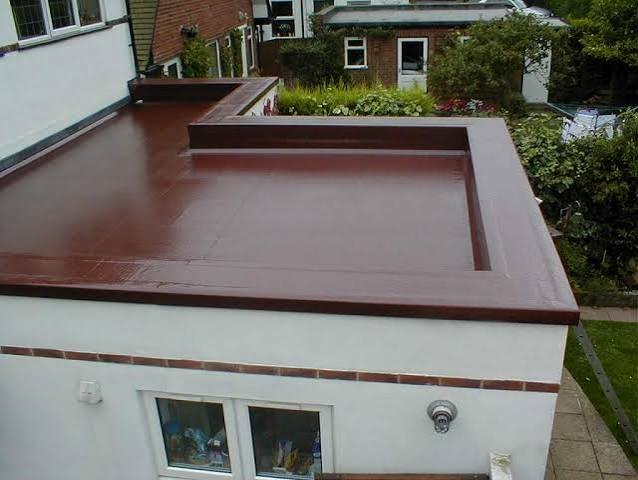
Flat roofing is a practical and versatile roofing solution used on homes, commercial buildings, garages, extensions, and other structures. Unlike traditional Flat Roofing pitched roofs, flat roofs have a low slope that gives them a clean, modern appearance while making efficient use of available space. However, proper installation and regular maintenance are essential to ensure long-term performance. Understanding the basics of Flat Roofing can help property owners make informed decisions about materials, installation, maintenance, and repairs.
Understanding Flat Roofing
A flat roof is not completely level. It usually has a slight slope that allows rainwater to drain toward outlets, gutters, or other drainage systems. Without adequate drainage, standing water can collect on the surface and eventually cause leaks, material deterioration, or structural problems.
Flat roofs are available in several designs and materials. Common options include single-ply membranes, built-up roofing, modified bitumen, and liquid-applied systems. Each material has different advantages, installation requirements, durability, and maintenance needs. Choosing the right system depends on the building, budget, climate, expected lifespan, and intended use of the roof.
Choosing the Right Flat Roofing Material
Selecting an appropriate roofing material is one of the most important decisions in a roofing project. Single-ply membranes such as EPDM, PVC, and TPO are popular because they provide flexible and weather-resistant surfaces. They can also be installed relatively efficiently when handled by experienced professionals.
Built-up roofing consists of multiple layers designed to create a strong waterproof barrier. It has a long history of use and can provide excellent protection when properly installed. Modified bitumen is another option that combines asphalt with polymer materials to improve flexibility and durability.
Liquid-applied roofing systems are applied directly to the existing surface and can create a seamless waterproof layer. They can be particularly useful for certain repair and refurbishment projects. Before choosing a material, property owners should consider the existing roof structure and obtain professional advice.
Preparing for Installation
Successful flat roof installation begins with careful preparation. The existing roof should be inspected to identify damaged areas, moisture problems, weak structural components, and drainage issues. If an old roof is being replaced, the contractor may need to remove existing materials before preparing the underlying surface.
The roof deck must be clean, stable, and suitable for the selected roofing system. Insulation should also be considered because it can improve energy efficiency and help regulate indoor temperatures. Proper ventilation and moisture control are equally important in preventing condensation-related problems.
Drainage planning is another critical part of preparation. Outlets, gutters, and drainage channels need to be positioned correctly so that water does not remain on the roof after rainfall.
The Flat Roof Installation Process
The exact installation process depends on the chosen roofing system, but professional installation generally follows several important stages. First, the roof surface is prepared and any structural issues are addressed. Insulation and appropriate layers may then be installed according to the roofing specification.
The waterproof membrane or roofing material is carefully positioned and secured. Seams and joints receive particular attention because poorly sealed areas can become common points of water entry. Edges, corners, roof penetrations, vents, and drainage outlets must also be properly detailed.
Once installation is complete, the roof should be inspected carefully. Contractors should check seams, flashing, drainage points, and surface condition before considering the project finished. Quality workmanship at this stage can significantly reduce future repair requirements.
Why Proper Drainage Matters
Water management is one of the most important aspects of flat roofing. Because the roof has only a small slope, water cannot drain as quickly as it does from a steep pitched roof. Blocked outlets or poorly designed drainage systems can therefore create serious problems.
Leaves, dirt, moss, and other debris can restrict drainage points. When water remains on the surface for extended periods, it can place additional stress on roofing materials and increase the likelihood of leaks.
Property owners should keep gutters, outlets, and drainage channels clear. During inspections, professionals should also check whether the roof is draining properly after rainfall.
Caring for a Flat Roof
Regular maintenance can extend the useful life of a flat roof and help identify small problems before they become expensive repairs. A visual inspection should be carried out periodically, especially after severe weather.
Look for cracks, blisters, loose materials, damaged flashing, blocked drains, unusual surface changes, and signs of water penetration. Interior ceilings and walls should also be checked for damp patches or staining, which may indicate a roofing problem.
It is important to avoid placing unnecessary equipment or heavy objects on the roof. If the roof is designed as an accessible terrace or working area, suitable protective measures should be used to prevent accidental damage to the waterproofing layer.
Common Flat Roof Problems
Several issues can affect flat roofs over time. Leaks are among the most common concerns and may develop around seams, flashing, roof penetrations, or damaged membrane sections. However, the visible location of a leak inside a building is not always directly beneath the actual source, because water can travel along roofing layers before entering the property.
Ponding water can also become problematic when drainage is inadequate. Cracks, splits, bubbling, and membrane deterioration may occur because of weather exposure, age, movement, or poor installation.
Flashing around chimneys, vents, walls, and other roof features can deteriorate as well. Regular inspections make it easier to identify these issues early.
Flat Roofing Repairs
When damage is discovered, repairs should be addressed promptly. Small defects may sometimes be repaired without replacing the entire roof, depending on the condition and age of the system. Professional contractors can assess the damaged area and determine whether patching, resealing, membrane replacement, or another repair method is appropriate.
Attempting complicated repairs without the right knowledge can make the situation worse. Incorrect materials or poor application may leave the roof vulnerable to further water penetration. Professional repair work should therefore follow the requirements of the specific roofing system.
If a roof has widespread deterioration, repeated leaks, or significant structural problems, a complete replacement may be more cost-effective than continuing with temporary repairs.
Extending the Life of Your Flat Roof
Good maintenance habits can make a significant difference to roof longevity. Keep drainage systems clear, schedule professional inspections, remove debris carefully, and address minor defects as soon as they are noticed.
Trees near the building should also be managed where necessary to reduce the accumulation of leaves and branches. Any contractors working on or near the roof should take care not to damage the waterproofing system.
Keeping records of inspections and repairs can also help property owners monitor the roof’s condition and plan future maintenance or replacement work.
When to Call a Roofing Professional
Some roofing problems require specialist attention. Persistent leaks, widespread membrane damage, standing water, structural concerns, and significant deterioration should be professionally assessed.
A qualified roofing contractor can inspect the entire system rather than simply treating the visible symptom. They can also recommend suitable materials, repair methods, drainage improvements, and replacement options based on the roof’s condition.
Professional installation is particularly important because mistakes involving seams, insulation, flashing, or drainage can reduce the lifespan of an otherwise high-quality roofing system.
Final Thoughts
Flat roofing can provide a durable, practical, and attractive solution when it is designed, installed, and maintained correctly. Choosing the right material, ensuring effective drainage, carrying out regular inspections, and dealing with problems quickly are all essential steps toward protecting the building.
Whether you are installing a new system, maintaining an existing roof, or considering repairs, understanding the fundamentals of Flat Roofing makes it easier to recognize potential problems and make informed decisions. With proper care and professional attention when needed, a well-installed flat roof can provide reliable protection for many years.