
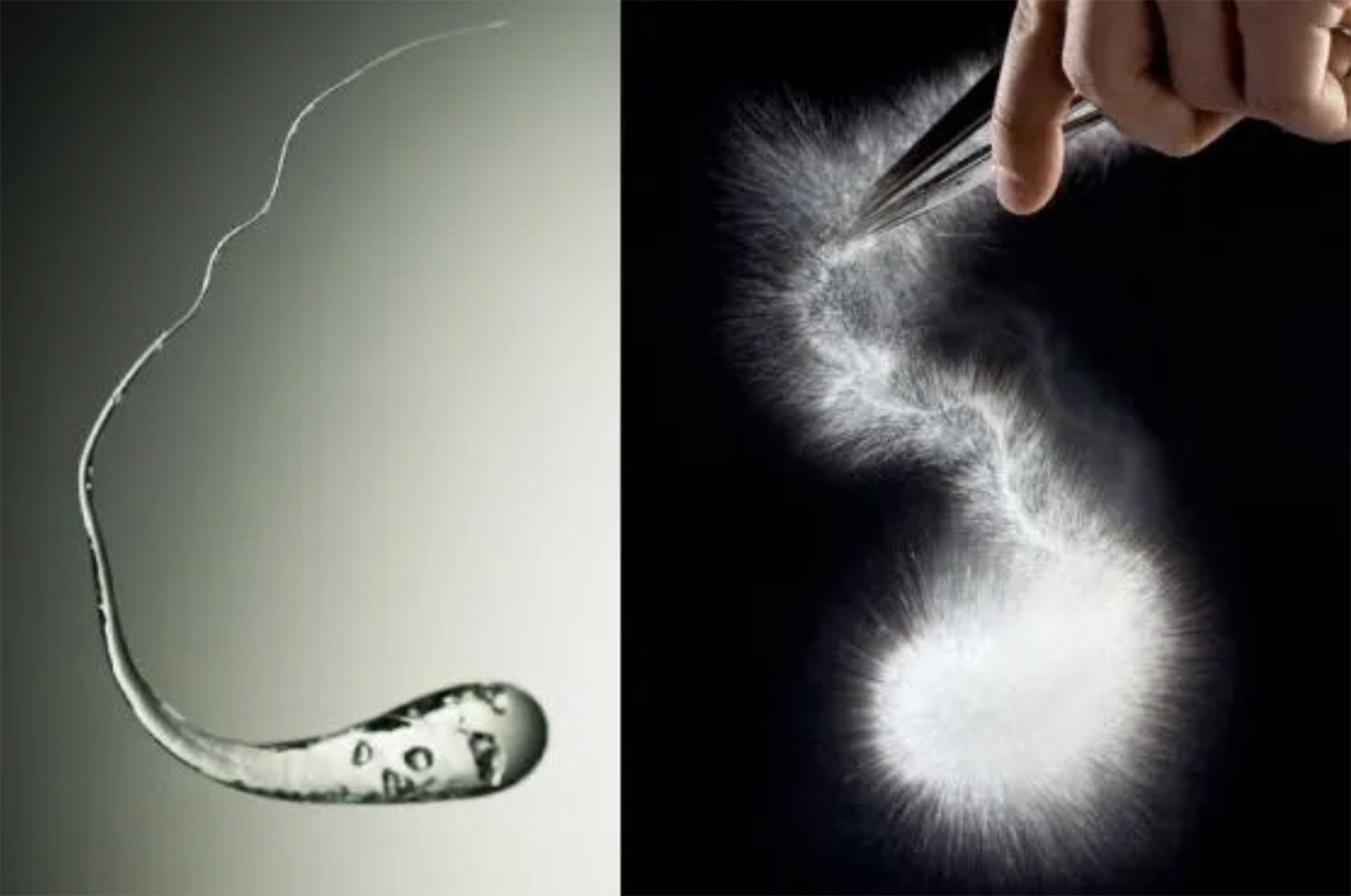
A prince rupert’s drop is one of the most fascinating examples of how glass can behave in surprising ways. At first glance, it looks like a simple teardrop-shaped piece of glass with a rounded head and a thin, curved tail. However, its unusual internal stresses give it remarkable strength at the bulbous end while making the tail extremely sensitive to damage. For collectors, science enthusiasts, educators, and anyone interested in materials science, choosing a quality specimen can be an exciting experience.
If you are planning to buy a prince rupert’s drop, it is useful to understand what makes one specimen different from another. Appearance, manufacturing quality, structural integrity, transparency, size, and packaging can all influence the value and usefulness of a specimen. Knowing what to look for can help you make a more informed decision.
Understanding the Prince Rupert’s Drop
A Prince Rupert’s drop is produced by dropping molten glass into cold water. The outer surface cools and solidifies rapidly while the interior remains hot for a short period. As the inside cools and contracts, it creates a complex pattern of compressive and tensile stresses throughout the glass.
The rounded head becomes highly resistant to ordinary impacts because its surface is under strong compression. The narrow tail, however, contains significant internal tension. If the tail is damaged in the wrong way, the stored energy can cause the entire drop to shatter rapidly.
This unusual combination of strength and fragility is what makes the prince rupert’s drop an excellent demonstration specimen for physics and materials science.
What Makes a Quality Specimen?
Not every glass drop will have exactly the same characteristics. When shopping for one, consider several important qualities.
Clear and Attractive Glass
A quality specimen should generally have good transparency and a clean appearance. Minor variations can occur because of the production process, but excessive cloudiness, large bubbles, unwanted particles, or visible cracks may reduce its appeal.
If the specimen is intended for display, clear glass can make the distinctive shape easier to appreciate. Transparent glass also allows viewers to observe the internal structure and subtle optical effects that may appear under different lighting conditions.
Well-Formed Shape
The traditional shape consists of a rounded bulb followed by a long, slender tail. A well-made specimen should have a recognizable teardrop profile without obvious deformation.
The head should appear reasonably smooth and rounded, while the tail should be continuous rather than severely bent or irregular. Since the tail is particularly delicate, a slightly imperfect shape does not necessarily mean the specimen is unusable, but major manufacturing flaws deserve consideration.
Smooth Surface
Look closely at the surface before purchasing whenever photographs or inspection details are available. A good specimen should not have obvious scratches, chips, or fractures.
Small imperfections may occur during production, transportation, or handling. However, damage around the tail is especially important because the tail plays a major role in the dramatic fracture behavior associated with a prince rupert’s drop.
Choosing the Right Size
Prince Rupert’s drops can be available in different sizes. Larger specimens can provide a more impressive visual display, but they may also require more careful handling.
For classroom demonstrations or scientific displays, a moderately sized specimen can be practical. Smaller examples may be easier to store and transport, while larger drops can make the unusual structure easier to see.
Instead of automatically choosing the largest available specimen, think about where you will keep it and how it will be handled. A display case, protective container, or other secure storage solution can help prevent accidental damage.
Inspecting the Tail
The tail deserves special attention when selecting a prince rupert’s drop. It is considerably more vulnerable than the rounded head.
A high-quality specimen should have a clearly formed tail without visible breaks or significant cracks. If purchasing online, examine product photographs carefully. Multiple images from different angles can provide more information than a single photograph.
If the seller provides detailed descriptions, look for information about the condition of the tail and the way the specimen is packaged. A seller who understands the fragility of these glass objects should provide appropriate protective packaging.
Checking Transparency and Optical Effects
One of the appealing characteristics of a prince rupert’s drop is its interaction with light. Depending on the specimen and lighting conditions, internal stresses can produce interesting optical effects.
When purchasing for educational or display purposes, transparency can therefore be an important consideration. Hold the specimen against a light background in photographs and check whether the glass appears clean and consistent.
Some buyers may prefer specimens with visible variations because they emphasize the handmade or experimental nature of the object. Others may prefer exceptionally clear glass for a more polished appearance.
Consider How the Specimen Was Made
The production method can influence the appearance and structural properties of a Prince Rupert’s drop. Traditional examples are made by introducing molten glass into cold water, creating the rapid cooling process responsible for the characteristic stress distribution.
When buying a specimen, product information explaining its production can be valuable. A knowledgeable seller should be able to describe the general manufacturing process and provide basic information about the glass used.
This is especially important for educational collections. Understanding how the specimen was produced makes it easier to explain why it behaves differently from ordinary glass.
Packaging and Shipping Matter
A prince rupert’s drop can be surprisingly delicate despite the strength of its rounded end. Poor packaging can result in damage during shipping, particularly around the thin tail.
Look for sellers who use protective materials and secure containers. The specimen should ideally be prevented from moving freely inside its package.
Packaging is particularly important when ordering larger specimens or purchasing from a distant seller. A beautiful specimen can lose much of its value if it arrives with a damaged tail.
Comparing Sellers Before Buying
When you decide to buy a prince rupert’s drop, do not evaluate products based solely on price. Compare photographs, dimensions, manufacturing information, packaging practices, and customer feedback where available.
A very inexpensive specimen may be attractive, but a slightly more expensive example could offer better clarity, shape, finishing, and protection. For collectors and educators, long-term quality is often more important than saving a small amount initially.
Read the product description carefully and look for realistic photographs rather than generic images. If the seller provides specifications, check them against your intended use.
Safe Handling and Display
Once you have selected a prince rupert’s drop, handle it carefully. Never assume that the strong rounded head means the entire object is indestructible. The tail remains highly sensitive to damage.
Use clean, dry hands or appropriate handling equipment when necessary, and avoid touching or striking the tail. Store the specimen somewhere stable where it cannot easily fall or be knocked against another object.
For educational demonstrations, follow appropriate safety procedures and use protective barriers. The spectacular fracture behavior of a Prince Rupert’s drop is scientifically interesting, but the rapid breakup of stressed glass should always be treated with caution.
A Fascinating Addition to a Collection
A prince rupert’s drop is more than an unusual piece of glass. It represents a practical demonstration of thermal stress, material strength, fracture mechanics, and rapid cooling. Its distinctive appearance makes it attractive as a display object, while its physical behavior makes it valuable for educational purposes.
When choosing one, focus on clarity, shape, tail condition, size, manufacturing quality, and protective packaging. Taking the time to compare specimens can help you find an example that is visually appealing and suitable for your intended purpose.
Whether you are building a science collection, preparing an educational demonstration, or simply fascinated by unusual materials, a carefully selected Prince Rupert’s drop offers a remarkable way to explore the hidden forces inside glass.