
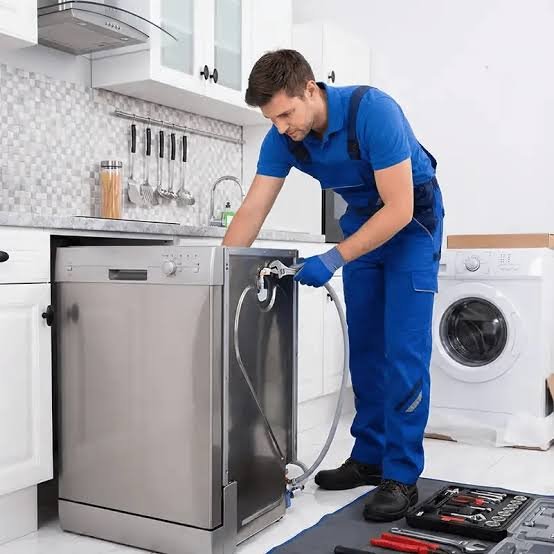
Understanding the Choice Between DIY and Professional Installation
When it comes to setting up household equipment, homeowners often face a key decision: should they install appliances themselves or hire professionals? At first glance, the DIY approach seems attractive because it appears cheaper and more flexible. However, long-term performance, safety, and reliability depend heavily on proper installation.
Modern home appliances—such as air conditioners, washing machines, refrigerators, and heating systems—are becoming more complex. This complexity increases the chances of mistakes during installation, which can lead to inefficiency, frequent breakdowns, or even safety hazards. Choosing between DIY and professional home appliance installation is not just about cost; it is about long-term value and peace of mind.
The Appeal of DIY Appliance Installation
DIY installation has become popular due to online tutorials and the growing culture of self-reliance. Many homeowners believe that following a video guide is enough to complete installation tasks.
One major advantage is cost savings. By avoiding service fees, users can reduce upfront expenses. Another benefit is convenience, as DIY installation allows people to work on their own schedule without waiting for technicians.
However, these short-term benefits can sometimes lead to long-term issues. Most appliances require technical knowledge, proper tools, and experience to ensure correct setup. Without these, even a small mistake can reduce performance or shorten the appliance’s lifespan.
Risks and Limitations of DIY Installation
Although DIY may look simple, it carries several risks that are often overlooked.
Incorrect installation can lead to electrical issues, water leakage, poor energy efficiency, or mechanical failure. For example, improperly installing an air conditioner may result in weak cooling performance or gas leakage. Similarly, washing machines or refrigerators may malfunction if leveling and connections are not done correctly.
Another concern is safety. Handling electrical wiring or heavy equipment without proper training can lead to accidents. Many manufacturers also void warranties if appliances are not installed by certified technicians, which adds financial risk in case of damage.
Why Professional Installation Matters
Professional installation offers long-term reliability and ensures that appliances function as intended. Trained technicians understand manufacturer guidelines, safety protocols, and technical requirements.
One key advantage is accuracy. Professionals use specialized tools and follow precise procedures to install appliances correctly. This reduces the chances of future breakdowns and improves energy efficiency.
Another benefit is safety assurance. Certified installers are trained to handle electrical systems, refrigerants, and mechanical components safely. This significantly reduces risks to both the homeowner and the property.
Professional installation also protects warranties. Most manufacturers require installation by authorized technicians to maintain coverage. This means that investing in professional service can save money in the long run.
Long-Term Cost Comparison: DIY vs Professional
While DIY installation may seem cheaper initially, it can become more expensive over time. Mistakes often lead to repairs, replacements, or increased energy bills due to inefficient operation.
Professional installation, on the other hand, may require an upfront cost but provides long-term savings. Proper installation reduces wear and tear, improves energy efficiency, and minimizes maintenance needs.
For example, an air conditioner installed correctly will consume less electricity and require fewer repairs compared to one installed incorrectly. Over time, these savings often outweigh the initial service cost.
Special Considerations for Complex Environments
Some installation environments require advanced expertise. For example, installing air conditioning systems in heavily cluttered or difficult spaces can be challenging. In such cases, situations like ゴミ屋敷 エアコン 取付工事 highlight how professional expertise becomes essential.
In cluttered or poorly maintained environments, technicians must carefully assess ventilation, wiring routes, and structural safety before installation. Attempting such tasks without experience can lead to damage or unsafe conditions. Professionals are trained to handle these challenges efficiently while ensuring proper airflow and system performance.
Energy Efficiency and Performance Impact
Proper installation directly affects how efficiently an appliance performs. Even high-quality appliances can underperform if installed incorrectly.
Professional technicians ensure correct calibration, positioning, and connection, which helps appliances run at optimal efficiency. This leads to lower electricity consumption and better overall performance.
In contrast, DIY installation may result in misalignment, loose connections, or improper sealing. These issues force appliances to work harder, increasing energy usage and reducing lifespan.
Maintenance and Long-Term Reliability
Another important factor is maintenance. Professionally installed appliances are generally easier to maintain because they are set up according to standard guidelines. Technicians often provide initial inspection reports and maintenance recommendations, which help homeowners avoid future issues.
DIY installations may lack this structure, making it harder to identify problems early. Over time, small issues can grow into major repairs if not addressed properly.
When DIY Might Still Be Acceptable
Despite the advantages of professional installation, DIY is not always a bad choice. Simple appliances that do not involve electrical wiring or complex systems can sometimes be installed safely by homeowners.
Examples include basic plug-and-play devices or small household items. However, even in these cases, following manufacturer instructions carefully is essential.
For anything involving gas, electricity, or complex mechanical systems, professional installation remains the safer and more reliable option.
Making the Right Decision for Your Home
Choosing between DIY and professional installation depends on several factors: complexity of the appliance, safety risks, budget, and long-term expectations.
If the goal is short-term savings and the appliance is simple, DIY may be considered. However, if long-term performance, safety, and warranty protection are priorities, professional installation is the better investment.
Homeowners should also consider future maintenance costs and energy efficiency when making their decision. A well-installed appliance not only performs better but also adds value to the home.
Conclusion
The debate between professional home appliance installation and DIY approaches ultimately comes down to long-term reliability versus short-term savings. While DIY may seem appealing, it often lacks the precision, safety, and durability offered by professional services.
For complex systems such as air conditioners, refrigeration units, or installations in challenging environments like ゴミ屋敷 エアコン 取付工事, professional expertise is especially important.
In the long run, professional installation ensures better performance, improved safety, and lower maintenance costs, making it the more practical and cost-effective choice for most homeowners.