
Introduction
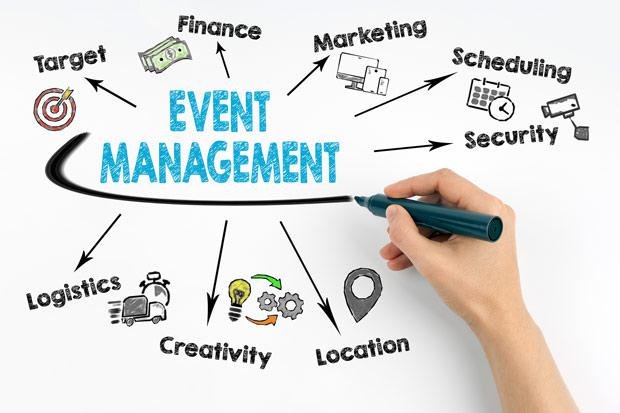
Event planning has evolved into a highly organized and technology-driven industry. Whether organizing corporate conferences, weddings, product launches, or social gatherings, professionals in Event Management must rely on a variety of tools to ensure smooth execution. The success of any event depends on effective coordination, communication, and planning. Modern technology has introduced powerful solutions that help planners manage every aspect of an event with greater efficiency and accuracy.
An Event Management Platform plays a crucial role in simplifying the complex processes involved in planning events. From managing guest lists to coordinating vendors and tracking budgets, these platforms provide planners with the resources they need to stay organized. For both beginners and experienced professionals, understanding the essential tools used in Event Management can greatly improve productivity and overall event success.
Event Planning Software
Simplifying Complex Planning Tasks
One of the most important tools for any Event Management professional is event planning software. These platforms allow planners to organize all event-related tasks in one centralized location. Instead of managing multiple spreadsheets, emails, and documents, planners can use an Event Management Platform to handle everything from scheduling to attendee management.
Event planning software helps planners create timelines, track progress, assign tasks to team members, and monitor deadlines. This ensures that nothing is overlooked and that every element of the event is handled efficiently. The ability to store important information such as venue details, vendor contracts, and guest lists within the same system makes planning much easier.
Improving Collaboration
Another advantage of using an Event Management Platform is improved collaboration among team members. Large events often involve multiple stakeholders including event coordinators, marketing teams, vendors, and venue managers. With shared access to planning tools, everyone involved can stay updated on tasks and responsibilities.
This level of coordination significantly reduces communication gaps and helps ensure that the Event Management process runs smoothly from start to finish.
Budget Management Tools
Keeping Finances Under Control
Budget management is a critical aspect of Event Management. Without proper financial tracking, event costs can easily exceed expectations. Budget management tools allow planners to monitor expenses, compare quotes from vendors, and allocate funds to different aspects of the event.
Using an Event Management Platform with integrated budgeting features enables planners to maintain a clear overview of financial activity. This helps ensure that resources are used effectively while preventing unexpected expenses.
Tracking Vendor Payments
Budget tools also make it easier to manage vendor payments and contracts. Event planners often work with caterers, decorators, entertainers, photographers, and equipment providers. Tracking payment schedules through an Event Management Platform helps ensure that all vendors are paid on time and that contractual obligations are met.
Guest Management Systems
Organizing Attendee Information
Managing guests is another important component of Event Management. Events may involve dozens, hundreds, or even thousands of attendees. Keeping track of registrations, invitations, and confirmations can become overwhelming without proper tools.
Guest management systems allow planners to store attendee information, send invitations, manage RSVPs, and track attendance. Many Event Management Platform solutions also include features such as automated email reminders and digital ticketing.
Enhancing the Guest Experience
An organized guest management system not only helps planners but also improves the overall attendee experience. Guests receive timely updates, confirmation emails, and clear event details, making them feel more engaged and informed.
This level of organization reflects positively on the professionalism of the Event Management team.
Communication and Collaboration Tools
Ensuring Effective Communication
Clear communication is essential in successful Event Management. Planners must communicate with clients, vendors, team members, and attendees throughout the planning process. Communication tools such as messaging platforms, video conferencing software, and project management systems make coordination easier.
By integrating communication features into an Event Management Platform, planners can keep all conversations and updates within a single system. This eliminates confusion caused by scattered emails and messages.
Real-Time Updates and Notifications
Many Event Management Platform tools also provide real-time notifications. If there are schedule changes, task updates, or important announcements, team members can receive instant alerts. This helps ensure that everyone stays informed and prepared.
Marketing and Promotion Tools
Promoting Events Effectively
Successful Event Management also requires strong marketing strategies. Promotion tools help planners reach the right audience and increase event attendance. These tools may include email marketing platforms, social media scheduling tools, and event registration websites.
An Event Management Platform often includes built-in marketing features that allow planners to design event pages, send invitations, and track campaign performance.
Tracking Audience Engagement
Marketing tools also provide valuable insights into audience engagement. Planners can monitor metrics such as registration rates, email open rates, and social media interactions. These insights help planners adjust their strategies and maximize event visibility.
Scheduling and Calendar Tools
Managing Event Timelines
Scheduling tools are essential for maintaining organized Event Management workflows. Events involve numerous tasks that must be completed within specific timeframes. Missing a deadline can create serious problems during event preparation.
Calendar tools allow planners to create detailed timelines for every stage of the event. Tasks such as venue booking, vendor confirmation, marketing campaigns, and rehearsal planning can all be scheduled in advance.
Coordinating Multiple Activities
An Event Management Platform with scheduling capabilities helps planners coordinate multiple activities happening simultaneously. For example, setup crews, catering teams, and technical staff may all need to work at the same venue within a tight schedule.
Having a centralized calendar ensures that all teams understand their responsibilities and timing.
On-Site Event Management Tools
Managing the Event Day
Even with careful planning, the day of the event requires efficient on-site management. Event planners must handle guest check-ins, monitor schedules, coordinate staff, and solve unexpected issues.
Mobile Event Management Platform applications allow planners to manage these tasks directly from their smartphones or tablets. This flexibility ensures that planners can stay connected and respond quickly to changes.
Streamlining Check-In Processes
Digital check-in tools can significantly improve event entry processes. Instead of manually verifying guest lists, staff can scan digital tickets or QR codes. This speeds up the check-in process and reduces long waiting lines for attendees.
Data Analytics and Reporting Tools
Measuring Event Success
Data analytics tools are becoming increasingly important in Event Management. After an event concludes, planners must evaluate its success and identify areas for improvement.
Analytics tools within an Event Management Platform provide reports on attendance numbers, ticket sales, audience engagement, and overall performance. These insights help planners understand what worked well and what could be improved for future events.
Improving Future Event Strategies
By analyzing event data, planners can make more informed decisions when organizing future events. For example, they can identify the most effective marketing channels or determine which types of activities attracted the most attendees.
This data-driven approach helps professionals refine their Event Management strategies over time.
Conclusion
The field of Event Management requires careful planning, organization, and coordination. Without the right tools, managing an event can become overwhelming and inefficient. Modern technology has introduced powerful solutions that help planners streamline every stage of the planning process.
An effective Event Management Platform allows planners to manage budgets, coordinate teams, track guests, promote events, and analyze performance all within a single system. By using these essential tools, event planners can reduce stress, improve productivity, and deliver memorable experiences for attendees.