
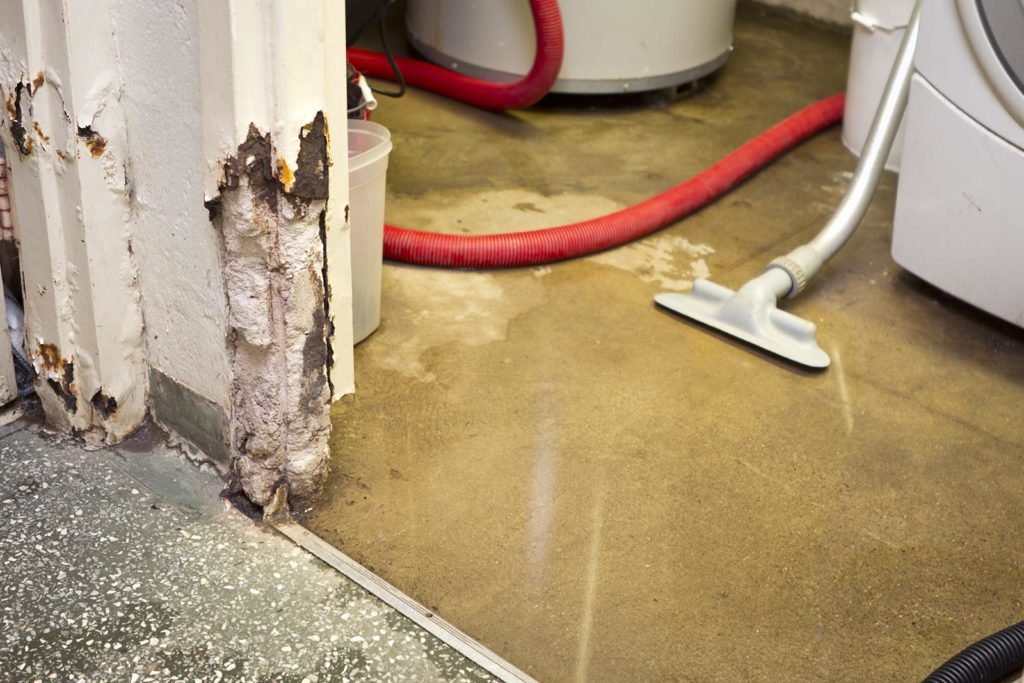
Sewer backups are one of the most unpleasant and hazardous problems a homeowner can face. When wastewater flows back into your home instead of draining away, it creates serious health risks, structural damage, and expensive repairs. Understanding and following proper sewer backup guidelines can help homeowners prevent disasters, minimize damage, and protect their families from harmful contamination. By learning the causes, prevention strategies, and cleanup procedures, you can be better prepared if a sewer backup ever occurs.
Understanding What Causes Sewer Backups
Before applying effective sewer backup guidelines, it is important to understand what causes these incidents. Sewer backups occur when wastewater cannot properly flow through pipes and is forced back into homes through drains, toilets, or floor openings.
One of the most common causes is clogged pipes. Grease, food waste, hair, paper products, and non-flushable items often accumulate inside pipes, creating blockages that stop wastewater from moving freely. Over time, these blockages grow larger and can eventually force sewage back into the house.
Tree root intrusion is another major cause. Tree roots naturally seek moisture, and underground sewer pipes provide an ideal source. Roots can grow into small cracks in pipes and expand, eventually blocking the entire line.
Heavy rainfall and flooding can also overwhelm municipal sewer systems. When the sewer system becomes overloaded, wastewater may flow backward into residential plumbing systems.
Old or damaged sewer lines may also collapse or crack due to ground shifting, corrosion, or aging infrastructure. When this happens, wastewater cannot pass through properly, increasing the risk of backups.
Health Risks Associated With Sewer Backups
Following sewer backup guidelines is essential because sewage water contains dangerous contaminants. Raw sewage is classified as highly contaminated water and may contain bacteria, viruses, parasites, and toxic substances.
Exposure to sewage can lead to illnesses such as gastrointestinal infections, skin infections, and respiratory problems. Harmful microorganisms like E. coli, salmonella, and hepatitis viruses may be present in contaminated water.
Sewer backups can also create mold problems. When contaminated water sits in carpets, walls, or furniture, it provides an ideal environment for mold growth. Mold spores can trigger allergies, asthma, and other respiratory issues.
Additionally, sewage gases can release unpleasant odors and potentially harmful fumes. Long-term exposure to these gases may cause headaches, dizziness, or nausea.
Early Warning Signs of a Sewer Backup
Recognizing the early warning signs can help you act quickly and follow proper sewer backup guidelines before the situation worsens.
One common sign is slow drainage in multiple fixtures throughout the home. If sinks, bathtubs, and toilets all drain slowly, it may indicate a blockage in the main sewer line.
Unusual gurgling sounds from drains or toilets are another warning sign. These noises occur when trapped air is forced through pipes due to a blockage.
Foul sewage odors coming from drains or basements can also signal a developing problem. These smells often appear before a full backup occurs.
Frequent toilet clogs or water backing up in lower-level drains when using appliances such as washing machines may indicate a serious sewer issue that requires immediate attention.
Preventive Sewer Backup Guidelines for Homeowners
Prevention is the most effective way to protect your home. By following essential sewer backup guidelines, homeowners can reduce the risk of costly sewer disasters.
One of the most important practices is proper waste disposal. Avoid flushing items such as wipes, paper towels, hygiene products, or cotton swabs. Even products labeled as “flushable” can cause blockages in sewer pipes.
Grease, fats, and cooking oils should never be poured down the drain. These substances harden inside pipes and create stubborn clogs over time.
Regular plumbing inspections are another important prevention strategy. Professional plumbers can use camera inspections to detect cracks, blockages, or tree root intrusion before they cause a backup.
Installing a backwater valve is one of the most effective protective measures. This device allows wastewater to flow out of the home but automatically closes if sewage tries to flow back in.
Maintaining outdoor sewer lines is also critical. Tree roots should be monitored, and large trees should not be planted too close to sewer lines.
Immediate Actions When a Sewer Backup Occurs
Even with good prevention practices, backups can still happen. Knowing the proper sewer backup guidelines for emergency situations can help limit damage and protect your health.
The first step is to stop using all water in the home. Running sinks, toilets, or appliances will add more water to the system and worsen the backup.
Turn off electricity in affected areas if it is safe to do so. Water and electricity together create a dangerous situation.
Avoid contact with contaminated water whenever possible. Wear protective gloves, boots, and masks if you must enter the affected area.
Next, contact a professional plumbing or restoration service immediately. Sewer backups often require specialized equipment and disinfection procedures that homeowners cannot perform safely on their own.
Safe Cleaning and Disinfection Procedures
Cleaning up sewage contamination requires strict attention to safety. Proper sewer backup guidelines recommend using professional cleanup services whenever possible, especially for large backups.
Porous materials such as carpets, insulation, and upholstered furniture usually cannot be safely disinfected and may need to be discarded.
Hard surfaces including tile, concrete, and metal can often be cleaned with strong disinfectants designed to kill bacteria and viruses.
Ventilation is also important during the cleanup process. Opening windows and using fans helps remove odors and harmful gases from the affected area.
After cleanup, all clothing worn during the process should be washed separately using hot water and detergent.
Protecting Your Home From Future Sewer Problems
Long-term protection requires consistent maintenance and awareness. Homeowners should regularly inspect basement drains, plumbing fixtures, and outdoor sewer lines.
Installing sump pumps and backwater valves can provide additional protection during heavy storms or municipal sewer overloads.
Homeowners should also keep important contact numbers for plumbers and restoration professionals readily available in case of emergencies.
Routine plumbing maintenance, responsible waste disposal, and awareness of early warning signs all contribute to effective sewer backup guidelines that protect both property and health.
Conclusion
Sewer backups are more than just unpleasant plumbing problems—they pose serious health hazards and can cause extensive property damage. By understanding the causes, recognizing warning signs, and following proper sewer backup guidelines, homeowners can significantly reduce their risk of experiencing a sewage disaster.
Preventive measures such as proper waste disposal, regular plumbing inspections, and installing protective devices can help keep sewer systems functioning properly. If a backup does occur, acting quickly and following recommended safety procedures can protect your family and limit damage to your home.